
Will the MoD’s Helicopter Contract Decision Put 3,000 UK Jobs at Risk?
What’s Going On With the MoD and the Helicopter Order?
Big changes could be on the horizon for the UK’s defense and aerospace industry—and not necessarily for the better. Right now, there’s growing concern across the country as over 3,000 British jobs might be hanging in the balance. Why? Because the Ministry of Defence (MoD) hasn’t yet committed to ordering a new fleet of support helicopters to replace its current ageing ones.
Here’s the thing: a UK-based helicopter plant in Yeovil, Somerset, is hoping to win the contract. But with time running out, there’s a real risk that production could be handed over to a foreign competitor, taking thousands of jobs and decades of British engineering history with it.
Let’s dive into the details and what this could mean for workers, innovation, and the UK’s defense independence.
Why Does This Helicopter Deal Matter?
To put it simply, the British Army’s Puma helicopters are getting old. These workhorse aircraft have served in a wide variety of missions, from combat roles to humanitarian efforts. But like any old car (or mobile phone!), they need replacing soon.
So, the MoD launched a plan to buy up to 44 “medium-lift” helicopters under a project called NMH (New Medium Helicopter). The goal? To modernize the fleet with more versatile, efficient, and advanced copters that can handle everything from battlefield transport to disaster response.
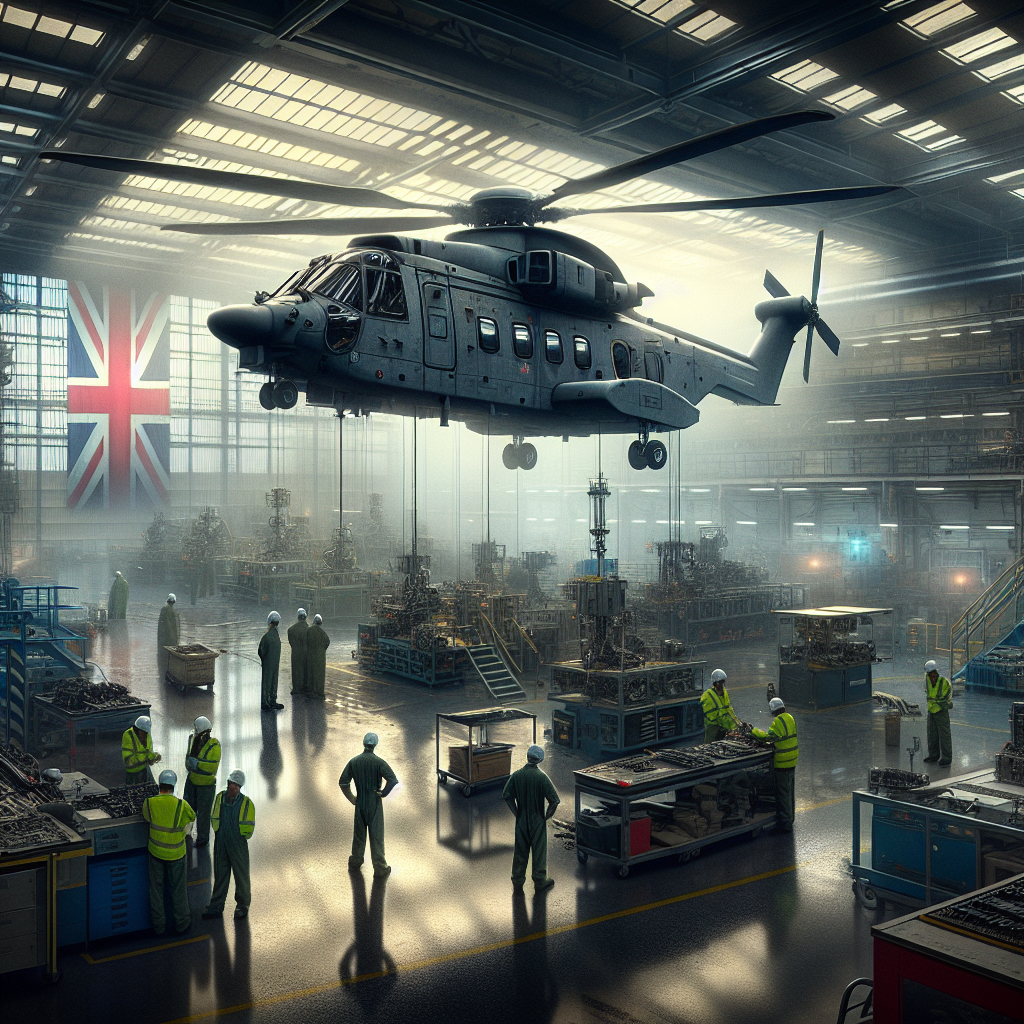
Now, here’s the kicker: the Yeovil factory, owned by Leonardo UK, is the last major site still building helicopters in Britain. They’re hoping to win the MoD’s contract to build AW149 helicopters right here in the UK.
But without a decision—and soon—there’s a looming threat that:
- The production line will dry up
- 3,000 skilled workers could lose their jobs
- The UK could lose vital aerospace manufacturing capabilities
So, Who Else Is Bidding?
Leonardo UK isn’t the only player in this game. Other companies in the running include:
- Airbus, proposing their H175 helicopters, partially built overseas
- Boeing, tossing in their hat from across the pond
- Lockheed Martin, via its Sikorsky subsidiary
Here’s the problem: if the MoD chooses a foreign bidder, assembly and jobs may shift away from the UK, hurting local economies like Yeovil’s that heavily rely on aerospace employment.
How Real Is the Job Risk?
This isn’t just political posturing, it’s the real deal.
Sources inside the industry are warning that if the MoD doesn’t pick Leonardo soon, the company may have to start laying off workers as early as spring 2026. And once those jobs are gone? They’re not easy to bring back.
Think about it: training new engineers, rebuilding expertise, and restarting production isn’t like flipping a light switch. If the Yeovil site goes quiet, that may be it for UK-based helicopter manufacturing.
Why Should You Care?
Even if you’re miles away from Yeovil or not in the aerospace world, this story likely affects you more than you think.
Here’s why it matters:
- National Security: Building helicopters domestically helps make sure the UK isn’t reliant on foreign suppliers during a crisis.
- Job Protection: Thousands of skilled workers and apprentices across Somerset and other regions could lose their livelihoods.
- Innovation and Engineering: The UK’s aerospace field is known globally—do we really want to lose that edge?
In short, this isn’t just a contract. It’s a pivotal decision that could shape the UK defense industry’s future for decades.
Timing Is Everything
According to insiders quoted in The Guardian, companies like Leonardo have effectively been in limbo. There’s been no clear update from the MoD on when they’ll make the final decision or why it’s taking so long.
That uncertainty is making it tough for UK-based suppliers to plan ahead. After all, they can’t just keep production running if there’s no business lined up in the next few months.
Imagine This:
You’re running a small bakery. You hear that a supermarket chain might order thousands of loaves—but they won’t give you a yes or no. How long do you keep your ovens hot, your staff paid, your ingredients stocked?
That’s the dilemma these aerospace workers now face.
What Could Be Done?
There’s still time, but the clock is ticking. Industry leaders and local MPs are urging the government to act—fast.
Here’s what supporters of UK production are asking for:
- A transparent update from the MoD on the decision timeline
- Assurance that British jobs and capabilities will be valued in the selection process
- Support for local suppliers that power the defense ecosystem
This isn’t just about helicopters—it’s about how the UK chooses to manage its industrial future.
The Bigger Picture
This helicopter contract hits close to home for many British families, but it also fits into a broader conversation: How can the UK balance cost, quality, and national interest in public projects?
Investing at home might not always be the cheapest short-term option. But in the long run, it can deliver huge benefits—like economic stability, skills development, and national pride.
What Happens Next?
The ball is in the government’s court. But whether they choose the British-built AW149 or go with an overseas competitor, the decision will leave its mark.
Will they back British jobs and technology or look elsewhere for a solution? Only time will tell.
For now, thousands of workers are left waiting and worrying, while the future of the UK’s helicopter industry hangs in the balance.
What Do You Think?
Should the MoD prioritise UK jobs and give the contract to British manufacturers? Or should price and performance come first, even if that means outsourcing?
Drop your thoughts in the comments below, we’d love to hear from you!