
Amazon to Close UK Fulfilment Centre: What It Means for Workers and Customers
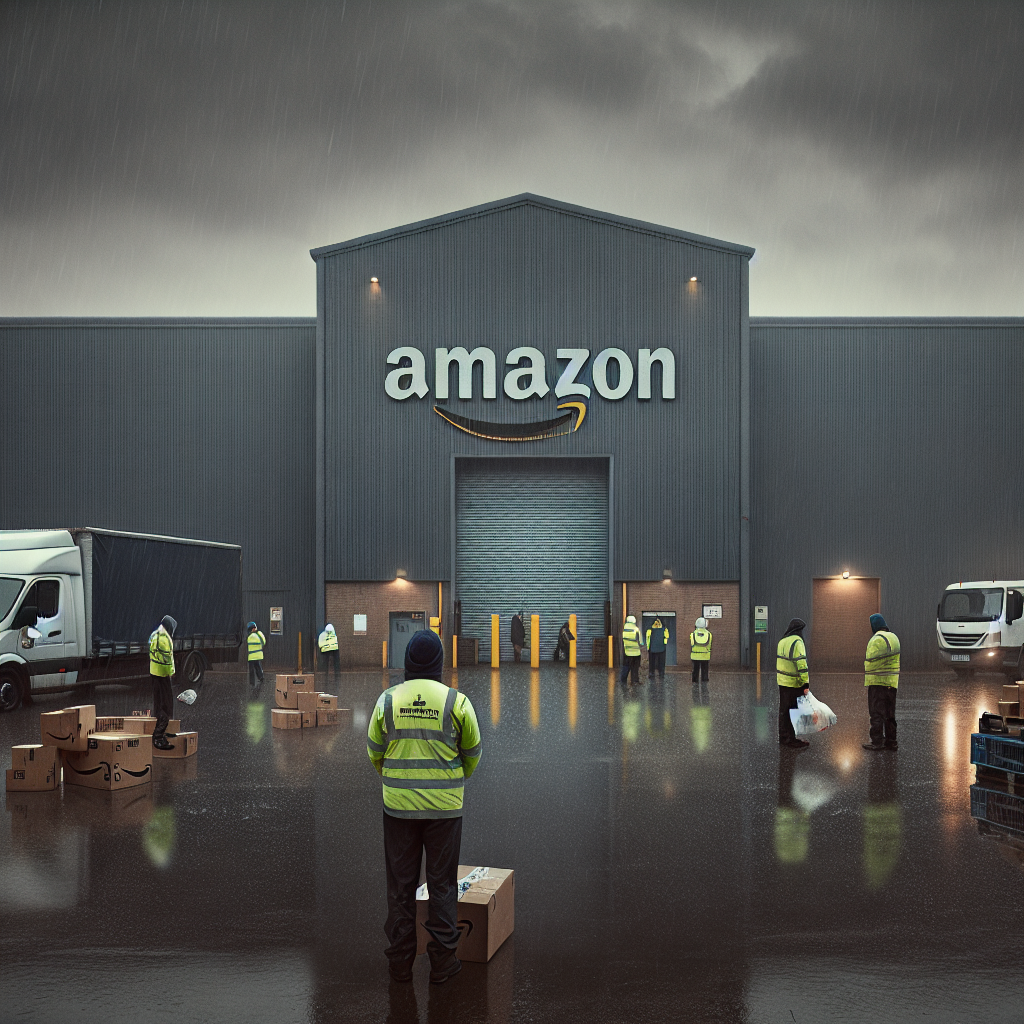
Change is always around the corner, especially in the world of big business. One such change has just unfolded in the UK retail landscape, Amazon is officially closing its fulfilment centre in Hemel Hempstead, a move that will directly impact around 590 workers. For many, this news raises a lot of questions: Why is Amazon doing this? What happens to the workers? And how will customers be affected?
Let’s break down this news in a simple, clear, and human way.
Why is Amazon shutting this fulfilment centre?
If you’re not familiar with the logistics side of Amazon, a fulfilment centre is basically the massive warehouse where online orders are picked, packed, and sent out to customers. These are the beating heart of Amazon’s speedy delivery system.
So why shut one down? According to Amazon, the decision to close the Hemel Hempstead site is part of a broader plan to “optimize our operations.” In simpler terms, Amazon is constantly reviewing how efficient its warehouses are. Some older centres just aren’t keeping up with newer, more high-tech ones.
The *Hemel Hempstead fulfilment centre has been open for about 12 years. But in that time, Amazon has opened more modern facilities that are faster, better equipped, and often use more automation.
Think of it like this: if you owned an old phone that still worked but was slower, bulkier, and couldn’t run today’s apps anymore, you might be tempted to upgrade. That’s basically what Amazon is doing here, trading in the old for the new.
What happens to the workers?
When we hear news like this, the first question most people ask is: What about the employees?
Losing a job is more than just a professional setback, it’s emotional, stressful, and personal. Around 590 people currently working at the Hemel Hempstead centre now face uncertainty about their future.
But there is some hope. Amazon says it’s trying to find jobs for these workers in other local warehouses. They’re reportedly offering roles in nearby facilities at Dunstable and Milton Keynes, which aren’t too far away.
Still, it’s not that simple. A new job might come with a longer commute, different hours, or even involve entirely new skills. That’s not always easy for people with families, health issues, or without access to a car.
It also highlights a much bigger issue that a lot of industries are facing—automation and technology replacing traditional jobs. As warehouses get more high-tech, fewer human hands are needed. That’s efficiency at one end and job loss at the other.
Support for affected staff
Amazon says they’ll “fully support” the impacted employees. Typically, this can include:
- Severance packages
- Help with finding new roles within the company
- Employment assistance
But many workers are still waiting to see what this support will actually look like and whether it will be enough.
What does this mean for Amazon customers in the UK?
If you’re a regular Amazon shopper (and let’s be honest who isn’t?), you might be wondering: Will this closure delay deliveries?
Short answer: Not likely.
Amazon has a large network of fulfilment centres across the UK, including highly efficient ones in Dunstable, Milton Keynes, and even newer sites in Doncaster and Wakefield. Orders can be rerouted and fulfilled by these centres without most customers even noticing a difference.
So while the closure may seem big internally, for most customers, it’ll be business as usual—prime deliveries will still arrive on time, same-day service will still be available in select areas, and the customer experience is likely to remain unchanged.
Is this part of a bigger trend?
Absolutely.
Amazon isn’t just making random changes—it’s following a bigger global strategy of streamlining and modernising its operations. In recent years, Amazon has been pushing to:
- Invest in robotics and automation
- Build smarter, more efficient warehouses
- Cut down on operational costs
This isn’t just about saving money. Amazon is also under pressure to stay competitive with other ecommerce giants like Walmart, Shein, and Temu. And with customers demanding faster service and cheaper prices, the company needs to stay sharp.
However, there’s a downside: as warehouses get smarter, they often need fewer people. That raises important questions about the future of warehouse work and what companies should do to protect workers in the age of automation.
Local impact on Hemel Hempstead
For the town of Hemel Hempstead, this is obviously a huge blow. Amazon isn’t just any employer, it’s a major one. The closure could have knock-on effects for other local businesses, especially those that relied on Amazon staff as customers.
Community responses have been mixed. Some residents are concerned about job losses and the impact on families. Others are hopeful that Amazon will follow through and reassign most workers to other centres.
Local government officials have yet to announce any economic assistance plans specific to this closure, but many are pushing Amazon to deliver on its promise to support workers through the transition.
So, what can we learn from this?
This news is more than just an update about a company, it’s a snapshot of a wider shift happening all over the world:
- Big companies are becoming more automated
- Modern facilities are replacing older ones
- Jobs are changing—and some are disappearing
If you’re someone working in warehousing, logistics, or even retail, this is a good time to think ahead. Upskilling, learning new tech or machinery, taking short online courses, or exploring new roles within your workplace, could be more important than ever.
And for everyday customers like you and me, it’s a reminder that behind every fast delivery and click of the “Buy Now” button, there are real people doing real work. And sometimes, they’re the ones who feel the weight of progress the most.
Final thoughts
Amazon’s decision to shut its Hemel Hempstead fulfilment centre is one piece of a bigger puzzle. It’s about how businesses adapt, how communities cope, and how we all face the future together.
Let’s hope that Amazon follows through on its promises and that those 590 workers find stability in a time filled with change. And as customers, maybe we can all pause for a moment and appreciate not just the convenience of online shopping, but the people behind it.
Have thoughts on this? Know someone affected? Share your experience in the comments below.