
Global Stock Markets Shake After Surprise Tariffs: What It Means for You
It’s no secret that global markets are touchy. A single unexpected move by a major leader can send shockwaves from New York to Tokyo. That’s exactly what happened this past week after former President Donald Trump announced a fresh round of tariffs. If you’ve been wondering why headlines are screaming about the stock market, keep reading because this could impact your wallet too.
What Happened: Trump’s Surprise Tariff Announcement
In a move that caught everyone off guard, Trump revealed his plan to slap new tariffs on a series of imports from China, Mexico, and the European Union. These announcements came with little warning and left business leaders and investors scrambling to react.
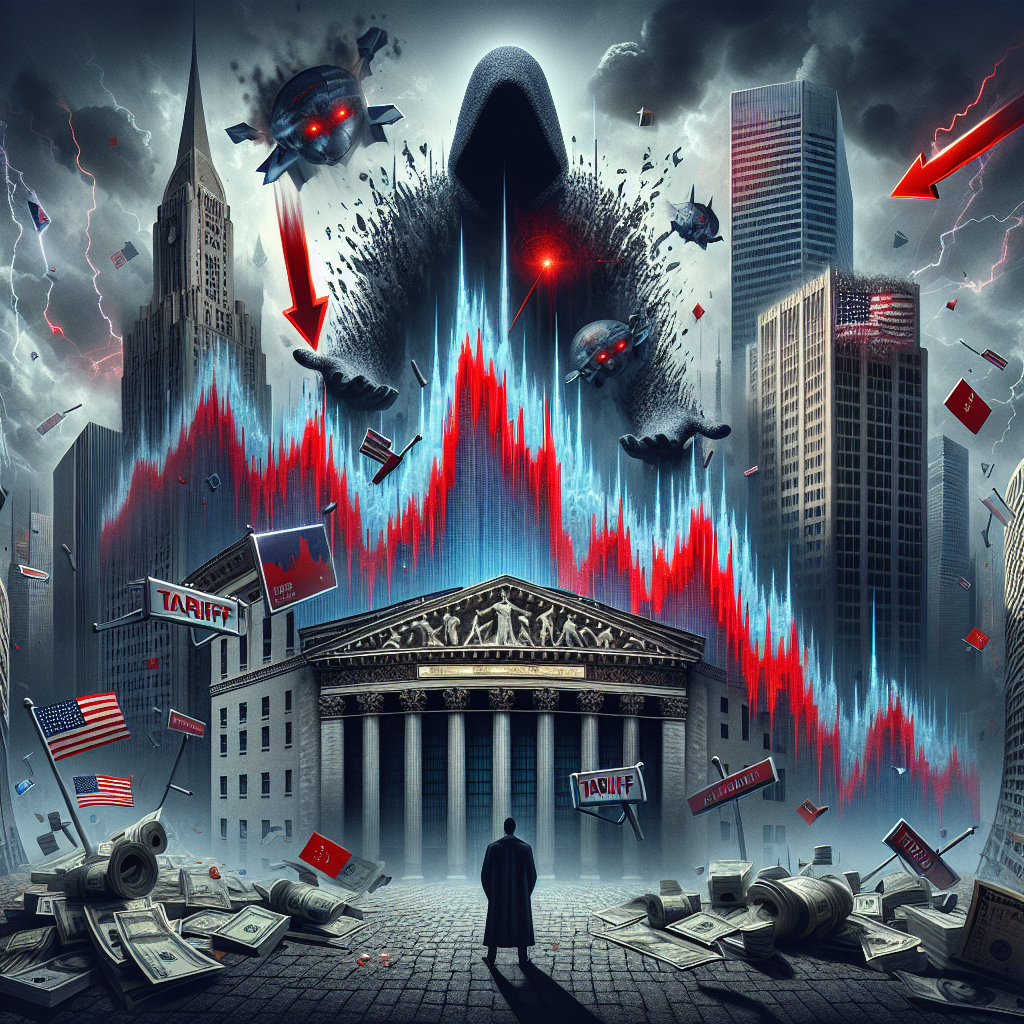
Markets don’t like surprises especially not the kind that threaten to disrupt global trade. As soon as the news broke, stock prices dipped across major indexes. From Wall Street to the London Stock Exchange, nervous selling rippled across the globe.
What Are Tariffs Anyway?
Let’s break it down. A tariff is a kind of tax that a country adds to imported goods. So, imagine you own a sneaker shop in the U.S, and you get your shoes from China. If there’s a 25% tariff, that means the cost to bring in those sneakers just jumped 25%. Who picks up the tab? Often, it’s the buyer you.
Global Markets React Quickly and Sharply
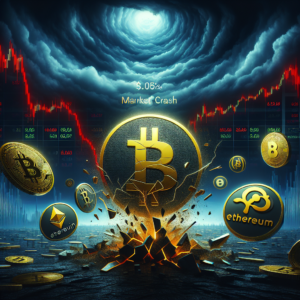
The reaction from the stock markets was fast and, in many cases, painful. Major indexes lost value within hours of Trump’s announcement.
- The S&P 500 dropped more than 2%, its worst single-day performance in months.
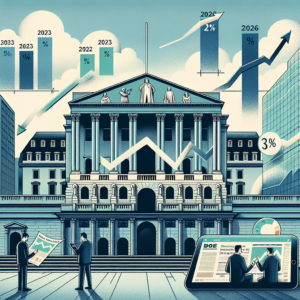
- London’s FTSE 100 also fell, dragged down by major international companies like HSBC and Shell.
- Asian markets were hit even harder, with Japan’s Nikkei 225 down over 3%.
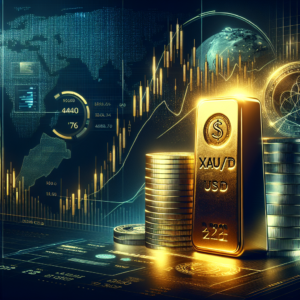
Investors tend to run toward safety in times like these. That often means selling stocks and buying into safer assets like gold or bonds. As a result, gold prices spiked and the US dollar strengthened as traders looked for stability.
Why Investors Are Nervous
This isn’t just about a bump in tax prices. The bigger concern is what these tariffs signal for the future. Here’s why many experts are worried:
- Bad for global trade: If countries start slapping tariffs on each other, it can lead to what’s called a “trade war.” That’s not good for anyone’s economy.
- Higher prices, less spending: When goods become more expensive, people tend to spend less. That can slow down economic growth.
- Business uncertainty: Companies don’t like unpredictability. If they don’t know what tomorrow will bring, they hold off on hiring and investing.
Some economists are even whispering the “R” word recession. While we’re not there yet, repeated shocks like this can increase risks in an already fragile global economy.
Could This Affect Your Wallet?
You might be thinking: “I don’t invest in the stock market, so why should I care?” Great question! Even if you don’t have a portfolio full of company shares, these changes can still touch your life.
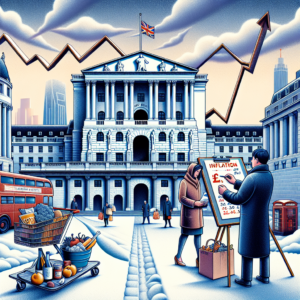
- Higher prices at the store: Tariffs on imports make products more expensive. From electronics to groceries, you could notice your regular purchases getting pricier.
- Job market trouble: Some companies might lay off workers or freeze hiring to cope with the added costs, making it harder to find a job.
- Retirement accounts lose value: If you have money or pension plan that’s invested in stocks, market drops could shrink your savings.
This isn’t meant to scare you, but to prepare you. The more you understand how the economy works, the better you can make smart financial decisions if things get rocky.
What’s Next for Global Markets?
Experts say this could just be the beginning. If more nations respond by adding their own tariffs kind of like a game of economic ping pong things could get even messier. Already, leaders from the EU and China have called for emergency meetings to decide how to respond.
Some are hoping this is just a negotiation tactic. Trump has been known to make bold moves to bring people to the bargaining table. However, if talks break down, the financial fallout could deepen.
As investors wait to see how governments react, markets are likely to stay volatile. That means up-and-down days may become the norm, at least for a while.
How Can You Protect Yourself?
No one can predict the future perfectly, but there are some things you can do to weather financial storms:
- Build an emergency fund: Aim to save 3–6 months’ worth of expenses. It’s a lifesaver if jobs become harder to find.
- Diversify your investments: Don’t put all your money in one place. A mix of stocks, bonds, and savings can spread the risk.
- Cut back on non-essentials: Stock up on savings now so you’re better prepared if costs continue to rise.
Final Thoughts
It’s easy to tune out when you hear “tariffs” and “trade policy,” but these decisions can have real-life impacts. Whether it’s a dip in your retirement fund or a jump in your next grocery bill, what happens in the markets touches all of us.
So what do you think? Have you noticed any price changes at the store lately? Does the idea of a trade war concern you? Share your thoughts in the comments below. Let’s start a conversation.
And if you found this post helpful, pass it along! The more people understand how the economy works, the better positioned we are to handle whatever comes next.