
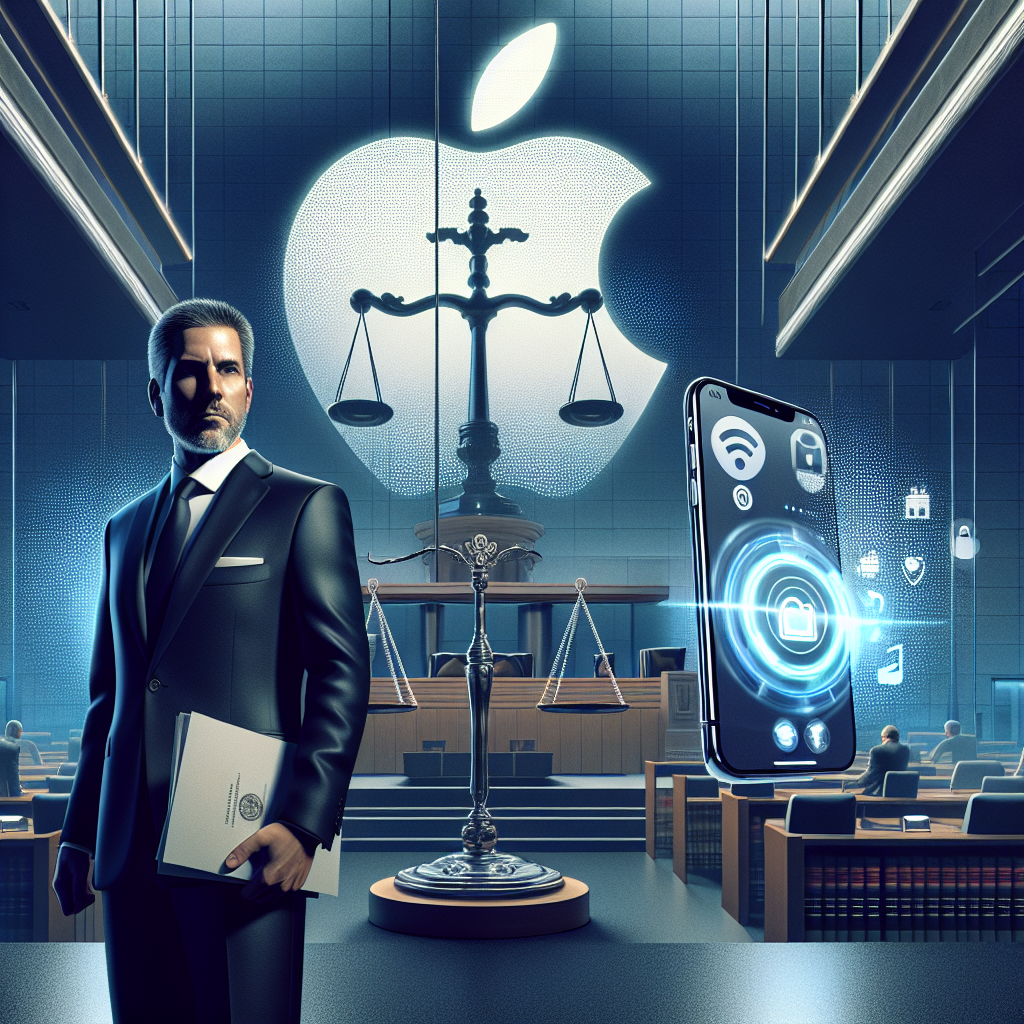
Is Apple Too Powerful? Legal Campaign Challenges Apple Pay Monopoly
Apple is one of the most recognizable tech giants in the world. From iPhones to iPads, many of us use its products every day. But now, Apple is facing legal trouble over how it runs Apple Pay, its popular mobile payment service. A digital rights campaigner is accusing the company of playing unfairly and the stakes are high.
In 2025, Apple Pay significantly expanded its, with, projections indicating it would handle $7.6 trillion in global transaction volume, a 21% year-over-year increase. The service also generated over $100 billion in incremental merchant sales globally during that period.
Key details regarding Apple Pay
- Market Position: It is on pace to account for 1-in-10 global card transactions by 2025.
- Adoption: Roughly 54.8% of U.S. mobile payment users preferred Apple Pay in 2024/2025.
- Usage: Approximately 73.1% of Gen Z users utilize Apple Pay weekly.
- Expansion: Apple Pay continues to grow, with 90% of U.S. retailers now accepting it, and it holds a 90% share of transport payments in London.
- Performance: The service effectively reduced fraud by over $1 billion.
What’s the Issue with Apple Pay?
Let’s start with the basics. Apple Pay is a feature that lets users pay with a tap using their iPhones or Apple Watches. Pretty convenient, right? But here’s the catch: on Apple devices, only Apple Pay can access the iPhone’s Near Field Communication (NFC) technology. That’s the chip that lets you pay in stores just by holding your device near a terminal.
In other words, Apple doesn’t let other apps or banks use this tech to create their own tap-to-pay services. That’s the core of the argument against Apple, critics say the company is abusing its power.
Who’s Taking Apple to Court?
Sean McNally, founder of the campaign group Balanced Economy Project, is leading the charge. He’s launched a legal action in the UK and filed it with the Competition Appeal Tribunal. McNally believes Apple is breaking competition rules by blocking rivals from using key features of the iPhone.
He’s not alone in this battle. In fact, the UK case could become a class-action suit on behalf of millions of iPhone users across the country. The aim? To make Apple open its systems and potentially pay out nearly £1 billion in damages.
How This Impacts Everyday Users
You might be wondering, “Why should I care?” Good question. Here’s how it could affect you:
- Less choice for payments: Right now, if you have an iPhone, your only contactless payment option is Apple Pay.
- Higher costs, indirectly: McNally argues that blocking competition means Apple can charge banks and users high fees, which could be passed on to consumers through bank charges or product prices.
- Slower innovation: If other tech companies or banks were allowed to create their own payment apps, we might see faster, cheaper, or more secure options appear.
It’s like living in a town with only one gas station. They set the price, and you have no choice. That might sound like a stretch, but it gets the point across: monopolies often limit choice and drive up costs.
Apple’s Side of the Story
Of course, Apple strongly disagrees with the accusations. The company says it offers a secure and private way to pay, and that giving other companies access to its NFC chip would pose security risks.
According to Apple, if it opened up its system, it couldn’t guarantee the same level of safety or user experience. That’s a valid concern after all, we all want our financial data to be protected.
Still, critics argue that Apple’s argument is a bit one-sided. They say other platforms have found ways to balance security and open access, so why can’t Apple?
What the Regulators Say
This isn’t just a single campaigner shaking his fist. European regulators have already raised red flags over Apple’s practices. In fact, the EU has even brought formal charges against the tech company, echoing many of McNally’s arguments about limited competition and consumer harm.
In the UK, if this case gets a green light, it could become a major class-action lawsuit with widespread implications not just for Apple, but for the whole tech industry.
The Bigger Picture: Should Big Tech Be Held Accountable?
This lawsuit is about more than Apple Pay. It taps into a bigger question we’ve been asking for years: Is Big Tech too powerful?
Companies like Apple, Google, Amazon, and Meta (formerly Facebook) control huge portions of our digital lives. From communication to shopping to payments, they dominate. And when one company holds the keys to a feature as big as mobile payments, it raises important ethical and legal questions.
Think about it this way: in the physical world, we have rules to stop companies from becoming too dominant. Why should the digital world be any different?
What Could Happen Next?
The next steps depend on how the UK’s Competition Appeal Tribunal responds. If they allow the case to move forward, it could:
- Force Apple to open up its systems to third-party payment apps on iPhones.
- Lead to big payouts for UK iPhone users if damages are awarded.
- Set a global precedent, encouraging other countries to launch similar challenges.
Whatever the outcome, it will likely fuel an ongoing global conversation about tech monopolies, consumer rights, and fair competition.
Final Thoughts
This legal challenge against Apple shows how technology and accountability are colliding. On one hand, users love Apple’s sleek, secure products. On the other, being locked into one system can limit how we use our devices and how much we end up paying.
Whether Apple is found guilty or not, the debate over mobile payment apps and fair market access is just getting started. As consumers, we should keep asking tough questions like:
- Who controls our digital choices?
- Are we paying more for convenience or losing out on innovation?
- Is the balance of power finally shifting in favor of users?
Only time will tell, but one thing is clear—we’re witnessing a pivotal moment in the battle between Big Tech and the people who use their products.
So next time you tap to pay, think: is convenience costing us more than we realize?