

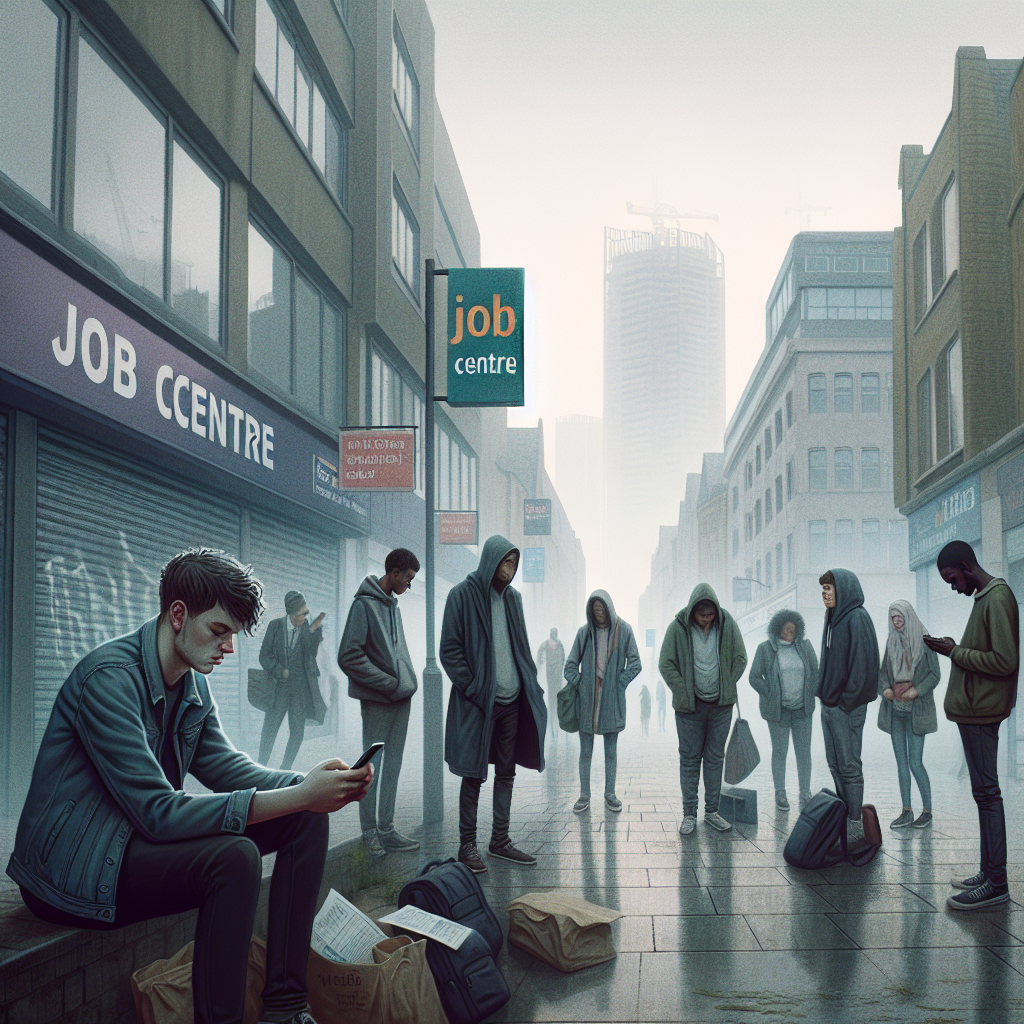
Why So Many Young Brits Feel Anxious About Jobs and Their Financial Future
The Growing Concern Among Young People in the UK
Imagine being in your early 20s, just finishing school or university, and stepping into a world full of uncertainty. That’s the reality for many young people in the UK today. According to a recent report by The Guardian, a large number of 18- to 24-year-olds say they feel anxious about their future especially when it comes to finding stable work and affording the basic cost of living.
But what’s really causing this wave of worry among young Brits? And more importantly, what can we do to help?
Let’s break it down.
Why Are Young People in the UK So Worried?
There’s no easy answer because the reasons are complicated and deeply personal. But several factors stand out.
- Job insecurity: Many young adults are stuck in short-term or zero-hour contracts that offer no guarantee of stable income.
- High living costs: Rent, food, transportation all of it adds up quickly. And wages haven’t kept pace with inflation.
- Mental health challenges: Anxiety, depression, and stress are becoming more common, often linked to financial uncertainty.
The Guardian’s article highlights that more than half of the young people surveyed say they are worried about finding decent work. And it’s not just about money it’s about the emotional toll of feeling like the odds are stacked against you.
“It’s Like the Ground Keeps Shifting Under Our Feet”
Take Emily, for example. She’s 23, works part-time at a cafe, and dreams of becoming a designer. But despite applying to hundreds of jobs, she hasn’t had any luck. “I feel like I’m doing everything right,” she says, “and still getting nowhere.”
Her story isn’t unique. It reflects a larger pattern of young people who feel let down by a system that was supposed to help them build a better life.
The Bigger Picture: An Economy That’s Leaving Young People Behind
If you’ve ever tried to build a sandcastle while the tide is coming in, you know how frustrating it feels to put in effort only to see it washed away. That’s how many young people view the current UK economy.
Even though unemployment rates overall may look stable on paper, digging deeper shows a different story for young adults:
- Many jobs don’t pay enough to cover even basic expenses.
- Education doesn’t guarantee employment in the field people study for.
- Working multiple jobs is becoming the norm just to scrape by.
So, while the headlines might say the economy is improving, that’s not how it feels from the ground. Especially if you’re in your first few years of work or trying to get started at all.
Mental Health: The Silent Side Effect
Financial pressure is stressful for anyone. But for young people still trying to figure out life, it can feel overwhelming.
According to the report, nearly seven in ten young people say they are frequently or constantly anxious. Many link these feelings directly to money problems or fears about the future.
And we’re not just talking about occasional stress before a job interview or test. We’re talking long-term anxiety that interferes with daily life.
Mental Health vs. Money: A Constant Tug-of-War
One 21-year-old described it like this: “I wake up worrying about money and go to bed doing the same. How can you focus on your goals when your basic needs aren’t met?”
And let’s be honest—we all need a sense of stability to thrive. Whether it’s knowing you can pay rent, afford a bus pass, or treat yourself to a coffee now and then, these small things matter.
How Is the Government Responding?
So far, critics argue that the government isn’t doing enough.
While there are programs aimed at youth employment, many believe they fall short of addressing the root problems like low pay, high rent, and a lack of mental health support.
Some experts say it’s time for bigger reforms, such as:
- Raising the minimum wage with a special focus on young workers.
- Creating more secure job opportunities that offer real career paths.
- Boosting mental health funding for early intervention and affordable counseling.
It’s not about giving young people a silver spoon it’s about giving them a fair shot.
Is There A Path Forward?
All of this may sound heavy and it is. But there’s still hope.
Young people are incredibly resilient. Despite facing enormous challenges, many are finding creative ways to survive and thrive.
Community Support Makes a Difference
From peer-led mental health groups to online communities sharing job tips, young people are looking out for each other. And that matters.
Remember Emily, the aspiring designer? She recently got involved with a digital art collective that helps promote young creatives. It doesn’t pay the bills yet, but it’s building her confidence. “At least I don’t feel so alone anymore,” she says.
What Can We Do Together?
This isn’t just a “young people” issue. It’s a societal one. And we can all play a part in creating a better future.
Here are a few ways to get involved:
- Listen and Validate: If you’re older, don’t dismiss the struggles of younger generations. Their concerns are real.
- Support Mental Health Resources: Donate, volunteer, or advocate for better access to care.
- Promote Fair Employment: If you’re an employer, think about how you can create pathways for young workers.
Final Thoughts
Feeling anxious about the future isn’t a personal failure—it’s a natural reaction to a tough reality. But together, we can start changing that reality.
Whether you’re a young person trying to find your way, or someone looking to support the next generation, remember: progress begins with understanding.
Let’s keep talking. Let’s keep listening. And most importantly, let’s start building a future where no one has to face it alone.
If this post resonated with you, share your thoughts in the comments. How are you feeling about your future or how has your journey unfolded? Let’s open up the conversation in comments.