
Why the Bank of England Is Keeping Interest Rates Steady Despite a Slowing Economy
The Bank of England has made a big decision one that affects all of us, whether we’re saving money, paying off a mortgage, or running a business. On February 5, 2026, the Bank chose to hold interest rates steady rather than lowering them, even though the UK economy isn’t doing too well.
Why would they do that? And how does it impact your everyday life? Let’s break it down in simple terms.
Understanding Interest Rates and the Economy
Before we dive into the Bank of England’s decision, let’s clear up what interest rates actually are.
Think of interest rates like the cost of borrowing money. When rates go up, loans (like mortgages and credit cards) become more expensive. When rates go down, borrowing gets cheaper so, people and businesses tend to spend more. That’s why interest rates are a key tool for keeping the economy stable.
So, what’s the situation right now?
The UK Economy Is Slowing Down
The UK is experiencing low growth, which basically means the economy isn’t expanding much. According to the Bank, it might even shrink a little in the early part of this year. That’s worrying because when growth stalls, jobs can be lost, incomes fall, and businesses struggle.
In fact, some experts think the UK could be on the edge of another mild recession. Not great news if you’re trying to budget for groceries, pay your bills, or keep a small business afloat.
So Why Didn’t They Cut Interest Rates?
At first glance, it might seem like cutting rates is the obvious choice. After all, cheaper lending could give the economy a boost, right?
But here’s the catch: inflation is still high.
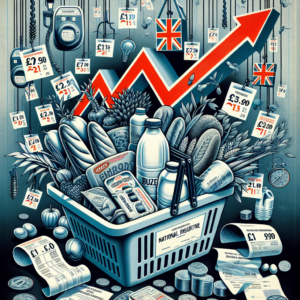
Imagine you’re filling up your shopping cart like usual, but your total at the till keeps creeping higher each week. That’s inflation, it means prices are going up. Right now, it’s easing off a bit compared to the last couple of years, but it’s still above the Bank’s 2% target.
The big fear? If the Bank cuts rates too soon, people will spend more, demand will go up, and prices might start rising quickly again. And just like that, inflation becomes a nasty problem all over again.
Balancing Act: Inflation vs. Growth
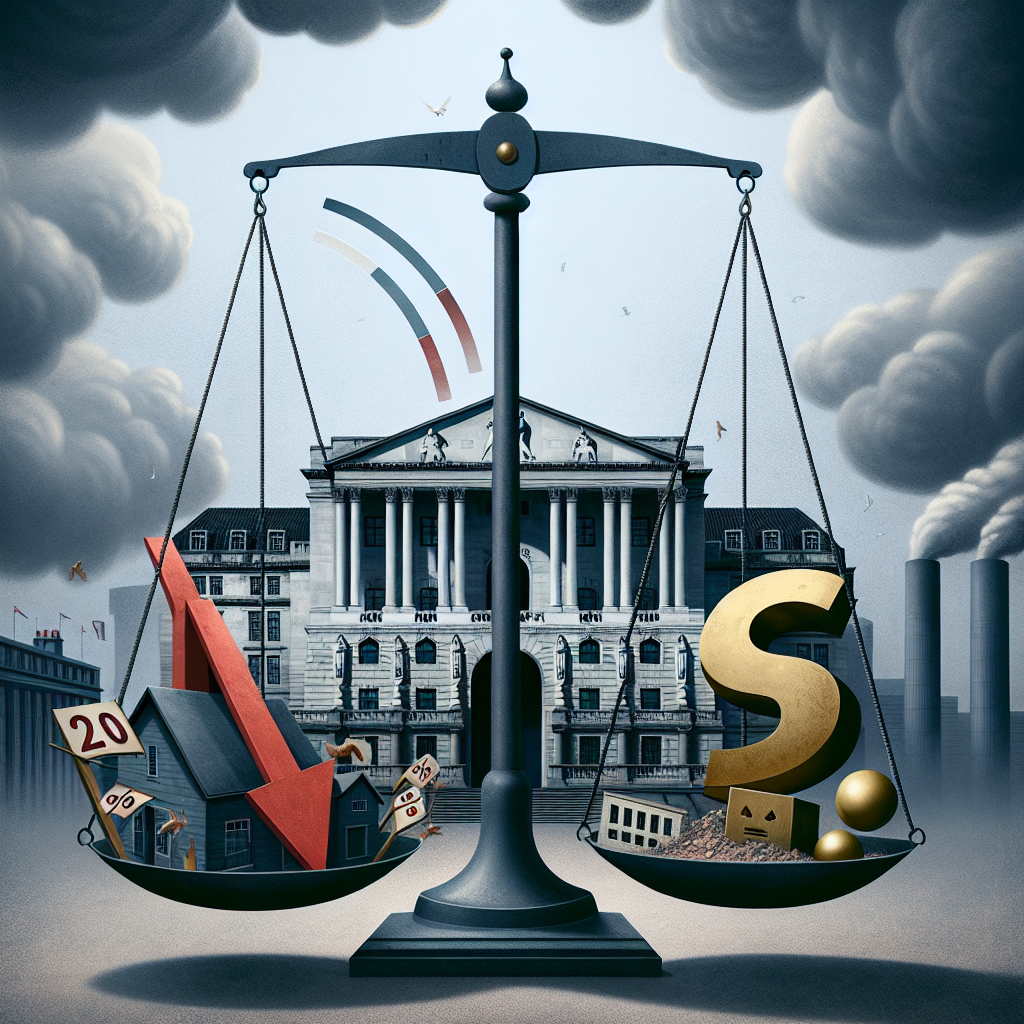
The Bank of England is walking a tightrope.
On one hand, they want to help the economy recover. On the other, their main job is to keep inflation under control. Lowering interest rates too early could undo all the hard work they’ve done to bring inflation down over the past year.
This is why the Bank decided to stay put for now. It’s a cautious move. In the words of the Bank’s governor, Andrew Bailey, they need to be sure inflation is really on its way down before making any big changes.
What This Means for You
You might be thinking, “Okay, but how does this affect me personally?” Good question. Here’s a quick look at how steady rates might impact your daily life:
- If you have a mortgage: If you’re on a variable-rate mortgage, you’re probably hoping for a cut soon. But since rates aren’t dropping just yet, your payments might not change for a while.
- If you’re saving: Higher interest rates are good news for savers. You’ll still earn a decent return on your savings.
- For small businesses: While borrowing costs remain the same for now, business owners are keeping a close eye on what happens next. Easier credit could help many of them grow.
So, while there’s no major shift for now, it’s worth staying informed. Rate changes can happen quickly especially when the economic climate is unpredictable.
Looking Ahead: What Could Happen Next?
The Bank has hinted that rate cuts are possible later this year. That’s good news for borrowers and businesses, but they’re waiting until inflation is firmly under control before making a move. Most economists expect a rate cut to come in the second half of 2026, provided inflation keeps falling and the job market stays stable.
Reading Between the Lines
This decision tells us something important: the Bank of England isn’t rushing. They want to avoid the mistake of cutting rates too early and risking another inflation spike. At the same time, they know that too-tight policies could weaken the economy even more.
Remember, central banks don’t just react to what’s happening now they’re always trying to predict what’s coming next. Sort of like driving with an eye on the road and another on the GPS.
Final Thoughts: A Waiting Game for Everyone
We’re all feeling the pinch from the economy, whether it’s at the gas station, in the supermarket, or when making rent payments. But the Bank of England’s cautious hold on interest rates shows that they’re taking a measured approach.
If they can bring inflation under control without damaging the economy too much, then rate cuts could be just around the corner. Until then, it’s a waiting game, one that has real impacts on households and businesses across the country.
What Can You Do Now?
While we wait for the Bank’s next move, here are a few smart things you can do:
- Review your mortgage or loan: If you’re worried about rising repayments, talk to your lender or a financial advisor. You might be able to refinance or lock in a lower rate.
- Build an emergency fund: In uncertain economic climates, having savings set aside can make a big difference.
- Keep learning: The more you understand the economy and your finances, the better choices you can make.
These small steps can help you stay ahead no matter what the Bank decides in the coming months.
Stay Informed and Stay Prepared
In times like these, knowledge is power. Keep an eye on the headlines, watch for changes in inflation and interest rates, and think about how they affect your personal finances. If there’s one thing that’s certain in the world of economics, it’s that change is always around the corner.
So, what do you think? Should the Bank have cut rates to boost the economy, or are they right to be cautious? Let us know your thoughts in the comments!