
UK Banks Join Forces to Create a New Payment Solution
Have you ever thought about how we pay for things? Most of us probably just swipe or tap a card without a second thought. But have you ever stopped to wonder about alternatives to traditional payment methods? Recently, several UK banks have come together to explore just that, an alternative to the big names like Visa and Mastercard. Let’s dive into what this could mean for us as consumers!
Why the Need for a New Payment System?
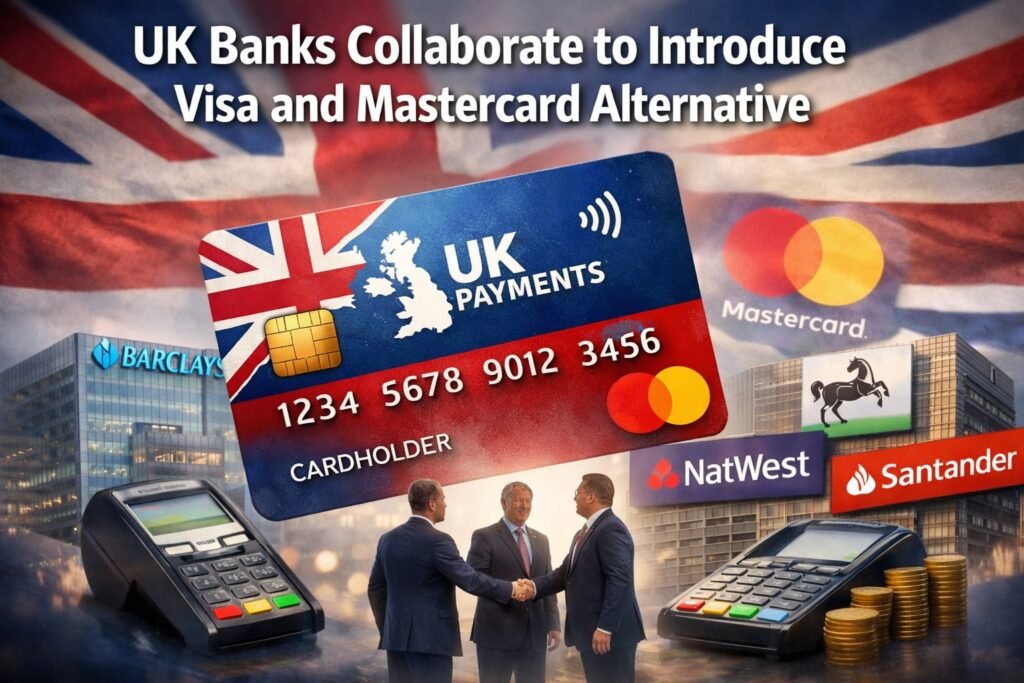
UK banking chiefs are set to hold their first meeting on creating a national alternative to Visa and Mastercard, as concerns grow that Donald Trump could pressure the shutdown of US-owned payment networks.
Chaired by Barclays UK chief executive Vim Maru, the meeting will take place this Thursday and will bring together City backers expected to fund a new payments company designed to keep the UK economy functioning if disruption occurs.
The City-funded, government-supported proposal has been on the table for years, but Trump’s recent threats involving Nato allies and Greenland have intensified worries that heavy reliance on US firms could leave UK payments and the wider economy exposed.
Around 95% of UK card transactions run through Visa and Mastercard systems, according to a 2025 report by the Payment Systems Regulator, a reliance that matters more as cash use continues to fall.
One executive familiar with the initiative told the Guardian: if Visa and Mastercard were switched off, the UK would be pushed back toward a cash-only era. “We need a sovereign payments system.”
The scale of potential disruption is significant. In Russia, where Visa and Mastercard once handled roughly 60% of payments, sanctions that led the networks to suspend services reportedly left many people unable to access money or make everyday purchases.
The Players: Who’s Involved?
This isn’t being spearheaded by just one or two small players. Major banks like HSBC, Lloyds, Barclays, and NatWest are all part of the discussion. These banks handle massive amounts of transactions every day, so their interest in an alternative system packs a punch. It goes to show how seriously they view this initiative.
In simpler terms, it’s like having the top athletes of a sports league banding together to form a new, exciting league that could potentially shake up the status quo.
What Could This Mean for Us?
Let’s talk about the impact on everyday folks like you and me. If an alternative payment system gets off the ground, here’s what we might expect:
- More competition means better choices for consumers: Just as having only one grocery store in town limits what you can buy and at what prices, more players in the payment world could mean better rates and services.
- Improved security: With new technology comes new security features. The banks will likely focus on making transactions safer and quicker.
- Lower costs: Reduced fees could translate into savings for both businesses and, ultimately, consumers.
So, not only could this new system offer people like you and me various benefits, but it could also change the way businesses handle their transactions.
How Does It All Work?
Creating an alternative payment system isn’t a walk in the park. It’s more like planning a new city—you need the roads, the rules, and the infrastructure before you start seeing people move in. But the banks have a few ideas up their sleeves.
- A potential focus on mobile payments: This wouldn’t be too shocking, given how many of us rely on our phones for almost everything these days.
- Embracing technology innovations: Think of blockchain or AI technologies, which could provide strong support for a new payment framework.
This all sounds pretty exciting, right? Though it’s still early days, these efforts signal a push toward more modern and convenient ways to handle payment transactions for both customers and companies.
What’s Next on the Horizon?
Now comes the million-dollar question: what happens next?
While the proposed alternative payment system is still in its infancy, it’s heartening to see the banks taking action. For consumers, it means staying tuned and keeping an eye out for updates from your bank about new payment options.
Consider it like waiting for a new phone model to be released. Until then, continue using what you have but remain excited about what’s around the corner.
So, How Do You Feel About This?
Does the idea of a new payment system excite you or perhaps make you a little nervous? Change can be a mixed bag, but it seems the potential benefits might just outweigh the risks. The possibility of having more choice, better security, and lower costs in how we pay for things could be a game changer.
Feel free to drop a comment below to share your thoughts! After all, changes like these aren’t just about banks figuring out the big financial puzzles, they’re about making life easier for all of us.
It’s indeed fascinating to think about the future of payments and how it might evolve, but one thing’s certain. The direction these banks are heading promises an interesting landscape in the world of finance. Until then, happy spending!