
BP Takes a Hit as Green Energy Ambitions Stall: What This Means for the Future of Energy
Big energy companies are under the spotlight more than ever. And one of the largest players, BP (British Petroleum), is feeling the pressure. Recently, BP revealed that it’s facing a sizeable financial hit, not because of a global crisis or there being no demand but because its move into green energy hasn’t gone as planned. So, what’s going on? And what could this mean for the energy industry, your electricity bill, and the planet?
Understanding the Shift: From Oil to Wind and Solar
A few years back, BP made a bold promise. They said they wanted to be a “net zero” company by 2050. That means cutting way back on oil and gas and investing more into things like solar panels, wind farms, hydrogen fuels, and other renewable power sources.
It’s a big idea. After all, fossil fuels like oil and gas are big polluters and the world is trying to cut its carbon emissions. But moving to clean energy isn’t always as straightforward as it sounds. It’s a bit like turning a giant cargo ship mid-ocean, it takes time, and it often comes with unexpected costs.
Here’s what’s happened:
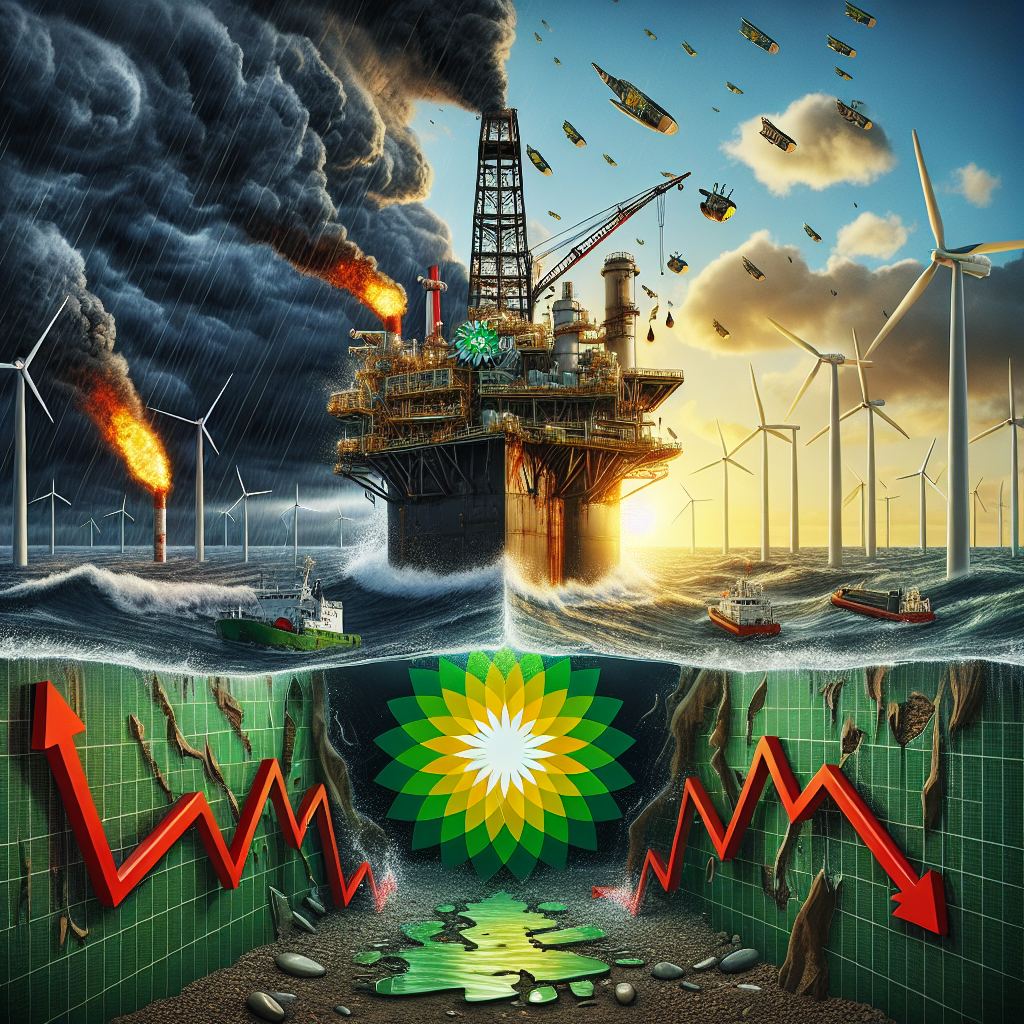
- BP wrote off $1.7 billion from the value of its renewable energy projects, mostly in the U.S.
- The reason? Rising costs and disappointing returns from offshore wind power.
- At the same time, oil prices stayed high, making fossil fuels more profitable once again.
Why Offshore Wind Is Struggling
Renewable energy isn’t always smooth sailing, especially offshore wind. These massive wind turbines, built out at sea, face challenges that most folks don’t think about. It’s expensive to build them, risky to operate in harsh weather, and not always easy to get the electricity they produce back to the grid.
Lately, those problems have grown. Developers are struggling with:
- Skyrocketing material costs – thanks to inflation and global supply chain issues
- High interest rates – which make financing big projects more expensive
- Delays and setbacks – pushing projects behind schedule and over budget
BP partnered with other companies to develop offshore wind projects along the U.S. East Coast. But with costs blowing past estimates, the company has had to slash the value of those investments, which hits the bottom line hard.
BP’s Balancing Act Between Fossil Fuels and Clean Energy
At one point, BP said it would cut its oil and gas production by 40% by 2030. But lately, they’re walking that back. Now, it looks like BP will reduce fossil fuel output by only 25% and even that’s uncertain.
Why the reversal? It’s all about the math. When oil prices are high, drilling and selling fossil fuels makes big money. And that income helps fund exploration into cleaner energy projects. But now, BP is finding that some of those green experiments aren’t paying off, at least not yet.
This puts BP in a bind:
- If they focus too much on clean energy, they risk financial losses.
- If they lean too heavily into oil and gas, they’ll face public and investor backlash.
Walking this tightrope isn’t easy, especially under the watchful eyes of climate-conscious investors and regulators pushing for a carbon-free future.
So, What Does This Mean for You and Me?
It’s easy to see stories like this and wonder: “So what? I’m just trying to keep my lights on and gas in the tank.” But these shifts matter, and they trickle down in all kinds of ways:
- Energy prices: When renewables become too pricey to develop, power costs can go up. That affects your electric bill.
- Climate goals: If companies like BP slow down their green investments, it could delay progress on fighting climate change.
- Jobs: The clean energy industry promises millions of new jobs. If companies pull back, fewer opportunities might be created.
All of this highlights a key point: Transitioning away from fossil fuels is an uphill climb. It’s messy, it’s costly, and sometimes it feels like two steps forward, one step back.
Is Green Energy Still Worth It?
Absolutely, but it needs smart choices and realistic timelines. Think of it like renovating a house. You want to upgrade to be more efficient, more modern, more sustainable, but you still need to live there while the work is being done. That means balancing short-term needs with long-term goals.
In BP’s case, they’re learning that building green isn’t just about installing a few turbines and calling it a day. It’s about creating a reliable, affordable, and scalable system that can power cities, cars, and homes without relying so heavily on oil.
BP isn’t alone.
Other companies in the oil industry, like Shell and ExxonMobil, are watching closely. Some are hesitating. Others are investing cautiously. It’s a pivotal moment. How the major players handle this transition could shape the energy world for decades to come.
Final Thoughts: The Road Ahead for BP and the Industry
While BP’s recent losses in renewables might seem like a setback, it’s more of a reality check than a roadblock. This journey toward cleaner energy isn’t over, it’s just entering a tougher phase. To succeed, companies will need to adapt, innovate, and take smarter risks.
For the rest of us, it’s a reminder that change doesn’t happen overnight. Clean energy is still the future, it’s just facing a few bumps along the way. The goal remains the same: a planet that’s cleaner, cooler, and more balanced between what we need and what we protect.
And maybe next time you see a wind turbine turning out at sea, you’ll remember: behind that gentle spin is a complicated push-and-pull between ambition, economics, and the countdown to a greener world.
Have thoughts about BP’s direction or the future of clean energy? Drop a comment, we’d love to hear your take.