
Coal Power Generation Drops Dramatically in China and India – What This Means for Our Planet
Change Is in the Air: Coal Is No Longer King
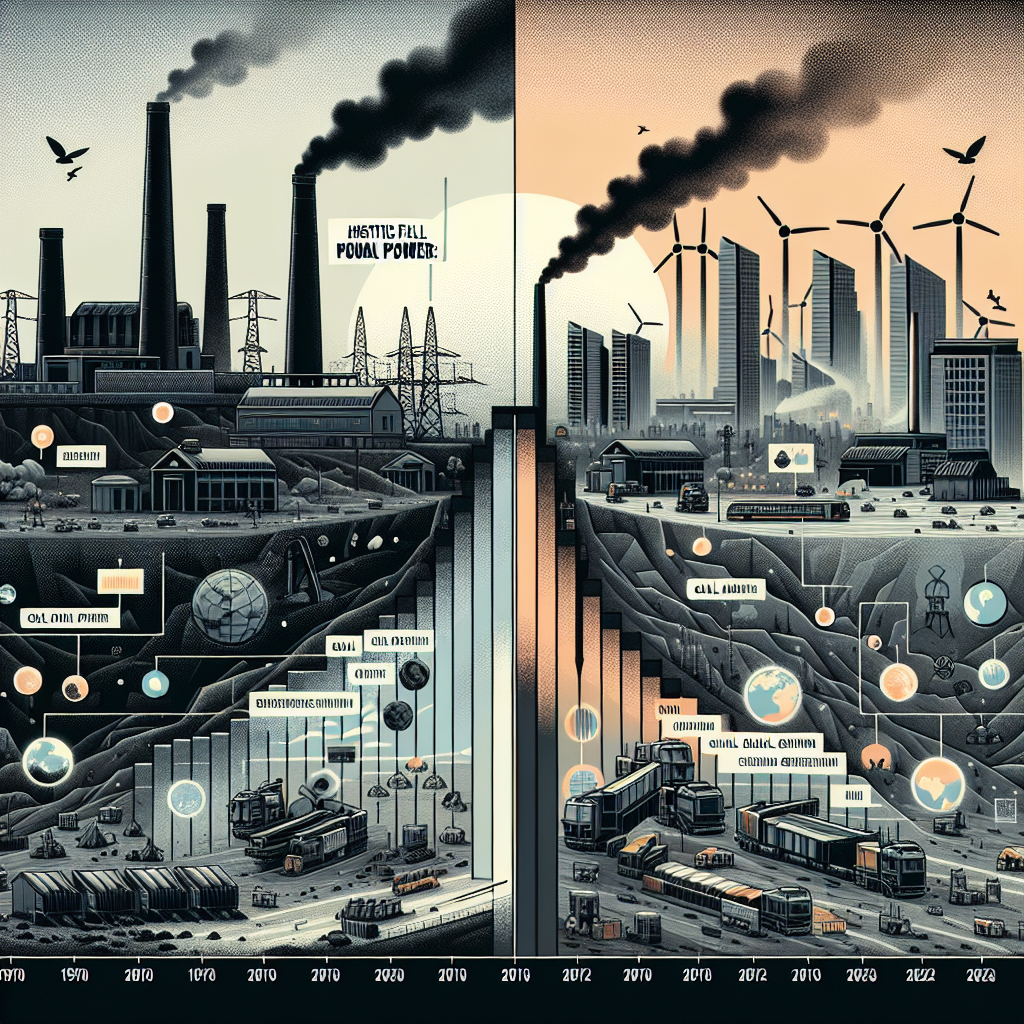
Let’s face it, coal has been powering our homes, cities, and industries for over a century. But that’s changing… and fast. For the first time since the 1970s, two of the world’s biggest coal users, China and India, are seeing significant drops in coal-powered electricity generation. That’s big news for the planet and for the global fight against climate change.
So, what’s actually happening? Why are these coal giants backing off? And what does this shift mean for the rest of us? Let’s break it down.
Why Coal Matters in the First Place
Before we dive in, let’s quickly cover why coal has been such a big deal.
Coal, especially thermal coal, is used to generate electricity. It’s cheap, abundant, and very polluting. Countries like China and India, who need huge amounts of power to fuel their growing economies, have relied heavily on it for decades. But there’s a catch.
Burning coal releases more carbon dioxide (CO₂) than almost any other energy source. That’s not good news for our warming planet.
The Tipping Point: Coal Use Is Falling Fast
According to a recent analysis by Ember, an energy think tank, 2023 marked a significant turning point. The numbers show:
- Coal-powered electricity fell by 3% globally, the biggest drop in nearly a decade.
- China and India—two coal powerhouses—reported major shifts, with India’s coal growth slowing sharply and China seeing its first major coal dip in years.
This isn’t just a one-off. Experts believe this trend could continue as renewable energy becomes more affordable and accessible.
What’s Driving the Shift Away from Coal?
Several factors are pushing countries away from coal and toward cleaner energy. Let’s look at the biggest drivers.
1. The Rise of Renewable Energy
Solar and wind power are no longer niche options. In fact, they’re quickly becoming the cheapest sources of electricity in many places.
In 2023 alone:
- Global solar power generation jumped by 24%, one of the fastest leaps in recent history.
- Wind power rose by 9%, helping cover rising energy demands.
China is currently leading the world in solar installation, and India is ramping up both solar and wind projects. The more renewables grow, the less we need coal.
2. Slower Electricity Demand Growth
During the industrial boom years, countries like China and India saw skyrocketing energy needs. Today, growth is cooling down a bit.
In India, for example, last year’s electricity consumption rose by just 5%. That’s a big slowdown compared to previous years. Less demand means fewer reasons to fire up those coal plants.
3. Climate Goals and Clean Energy Policies
Both India and China have made international climate pledges to reduce their carbon emissions and rely more on clean energy. These aren’t just empty promises—real policy changes are happening.
For example:
- China aims to hit peak emissions by 2030 and reach carbon neutrality by 2060.
- India has committed to getting 50% of its electricity from renewables by 2030.
Meeting those goals means cutting back on coal.
Why This Is a Big Deal Globally
You might be wondering, “How does this affect me if I’m not in China or India?” Good question.
Together, China and India make up more than half of the world’s coal consumption. So when they start using less coal, the impact stretches far beyond their borders.
Less coal use means:
- Fewer greenhouse gas emissions, which slows global warming.
- Cleaner air, which benefits everyone, even in neighboring countries.
- Momentum for clean energy everywhere, as solar and wind become cheaper and more popular.
It’s kind of like when one friend starts eating healthy—it inspires others to do the same!
Does This Mean Coal Is Dead?
Not quite, at least, not yet.
Coal isn’t going away overnight. China is still building some new coal plants, and in many places, it’s still the fastest option for short-term power boosts. But what’s clear is that the writing is on the wall.
In the long run, clean energy is getting cheaper to build, easier to maintain, and better for the planet.
Challenges Still Ahead
There are hurdles, for sure. Transitioning entire energy networks takes time. Not every region in China or India can easily switch to solar or wind. And managing energy supply while keeping the lights on 24/7 is a real challenge.
But with progress happening so quickly, especially in renewables and battery technology, the future looks brighter, literally.
How Can Ordinary People Make a Difference?
You might not be running a power plant, but don’t underestimate your role in this shift. Small actions add up!
Here are a few things you can do:
- Use energy-efficient appliances.
- Support clean energy by choosing green tariffs or solar panels if available.
- Stay informed and share news about renewable energy with friends and family.
The more we understand what’s happening globally, the more we can support smarter policies and cleaner futures.
Final Thoughts: A Turning Point Worth Celebrating
The decrease in coal power generation in China and India is more than just a statistic, it’s a massive step toward a healthier planet. It shows that clean energy isn’t just possible, it’s already happening.
This may well be the beginning of the end for coal as a dominant power source. And that’s something we should all feel hopeful about.
As the sun shines brighter and the wind blows stronger, we’re moving toward a cleaner, greener world—one solar panel at a time.