
Coca-Cola Keeps Hold of Costa Coffee: What This Means for Your Morning Brew
Big News in the Coffee World
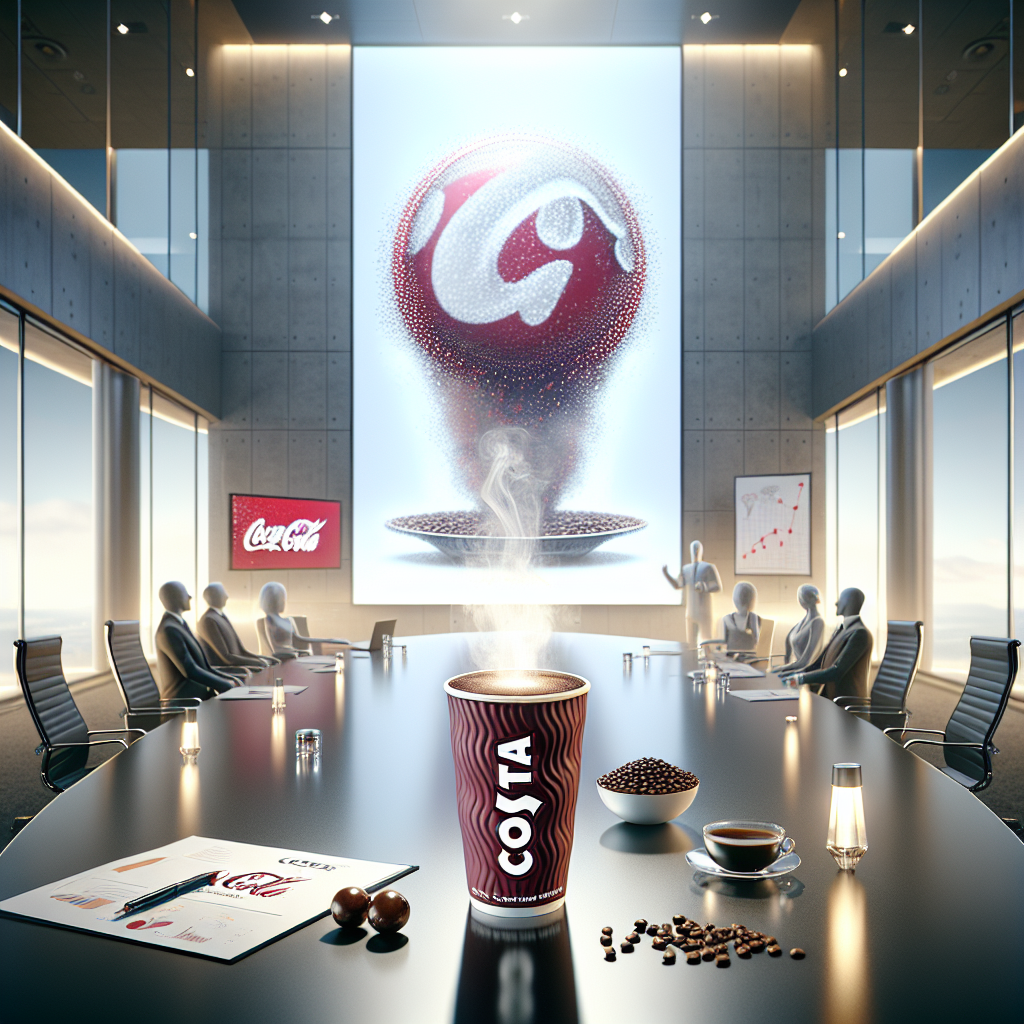
If you’re someone who starts the day with a cup of Costa Coffee, you may have heard the buzz: Coca-Cola has decided not to sell the Costa Coffee chain, despite earlier rumors suggesting they were considering it.
This announcement may have surprised some in the business world, but for loyal Costa customers and coffee shop regulars, it signals something exciting, Costa Coffee is here to stay, and Coca-Cola plans to keep investing in it.
So, what made Coca-Cola change its mind? And why does this matter for you, the everyday coffee lover? Stick around, we’re breaking it all down in this post with simple explanations and friendly insights.
Quick Recap: Coca-Cola and Costa Coffee, how we got here
Let’s rewind to 2019. That’s when Coca-Cola, the global drinks giant, bought Costa Coffee for about £3.9 billion. At the time, Coca-Cola was looking to expand beyond its traditional soda empire.
Why did Coca-Cola want a coffee brand? Well, simply put, coffee is big business. People all over the world are drinking more of it, and Coca-Cola saw it as a huge opportunity.
With Costa, they didn’t just get a recognizable name but also:
- A large chain of coffee shops across the UK and other countries
- A growing ready-to-drink coffee segment for stores and supermarkets
- A solid base for global coffee expansion
Fast forward a few years, and the pandemic hit hard. With fewer people commuting and visiting cafes, Costa, like many others, took a hit. This led to whispers that Coca-Cola might sell Costa and cut its losses.
But as of January 2026, it’s official, Coca-Cola is keeping the coffee brand firmly in its portfolio.
So, Why Didn’t Coca-Cola Sell Costa?
That’s the million (or rather, billion) dollar question.
According to reports from The Guardian, Coca-Cola has quietly scrapped any plans to offload Costa. While they haven’t made a big public statement, several clues point to why they’re holding on:
- Improving Performance: Costa’s business has been gradually bouncing back, especially post-pandemic. More people are returning to cafes, and takeaway coffee remains popular.
- Global Coffee Growth: The coffee industry continues to grow globally—particularly when it comes to iced coffee and ready-to-drink options.
- Synergy with Coca-Cola’s Strategy: Costa fits into Coca-Cola’s mission to diversify its product range beyond soft drinks. Coffee gives them a whole new market to tap into.
Think of it like this: If Coca-Cola is a football team, Costa is the star player in training. Right now, they may not be scoring every goal, but the potential is huge and Coca-Cola doesn’t want to trade them just yet.
What This Means for Coffee Lovers Like You
Alright, let’s bring it down to ground level. What does all this mean for your daily caffeine fix?
Here’s what you can likely expect:
- More Costa Locations: With Coca-Cola’s backing, Costa may expand further, both in the UK and internationally. More places to grab your favorite flat white? Yes, please!
- Better Ready-to-Drink Options: Coca-Cola knows how to handle drinks in bottles and cans. Expect to see more Costa coffee drinks in supermarkets and convenience stores.
- Tech Upgrades: With big business backing, Costa could improve its app, loyalty programs, and digital ordering systems.
If you’ve noticed how smoothly your food delivery app or online grocery shopping works, imagine that kind of convenience applied to your favorite coffee shop.
And what about prices?
Good question! While we can’t say for sure, Coca-Cola’s involvement doesn’t automatically mean price hikes. In fact, large brands often help coffee chains reduce costs by streamlining operations and logistics.
So your regular cappuccino might still cost the same—or even come with a new loyalty perk down the road.
Why the Coffee Industry Is Heating Up
Let’s step back for a minute.
Why are so many companies invested in coffee right now? It’s not just about flavor, it’s about opportunity.
Coffee is the second most traded commodity in the world (behind oil!), and its global demand keeps rising. People no longer just grab a drip coffee, they want artisan brews, iced coffee, plant-based milk options, and a cozy atmosphere to enjoy them in.
From millennials working remotely in cafés to busy parents grabbing drive-thru lattes, coffee culture is thriving.
And Coca-Cola wants a bigger piece of that pie.
Fun Fact:
Did you know the ready-to-drink coffee market is expected to hit nearly $45 billion by 2030? That’s a lot of cold brews and espresso cans.
Final Thoughts: Costa’s Next Chapter
So, while we may never know the full backroom details, it’s clear that Coca-Cola isn’t ready to say goodbye to Costa just yet. Instead, they’re betting big on its future.
What does that mean for the rest of us? If you love a good mocha, live for loyalty points, or just want more convenient coffee options on-the-go, the future looks promising.
Costa is still brewing and with Coca-Cola’s help, your morning cup may soon be hotter (or cooler, if iced is your thing) than ever.
What Do You Think?
Are you a regular at Costa Coffee? How do you feel about Coca-Cola keeping the brand? Do you prefer independent cafés or are you all about chain consistency?
Drop your thoughts in the comments, we’d love to hear from you!
And if you enjoyed this post, don’t forget to share it with your fellow coffee lovers.