
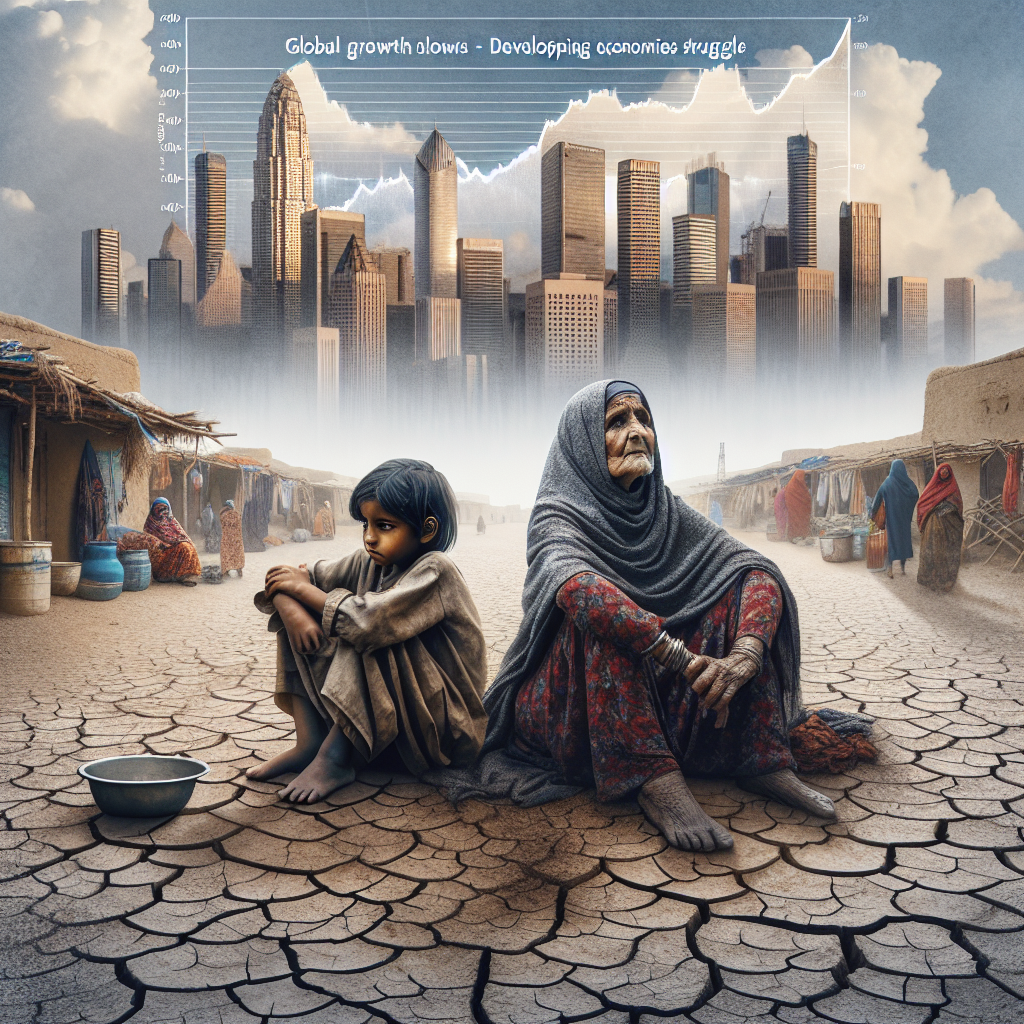
Why Developing Countries Are Struggling Economically – And What It Means for Everyone
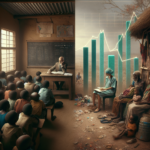
Imagine trying to climb a ladder to success but every time you take a step, the rung gets higher and harder to reach. That’s what many developing countries are facing right now, according to a recent World Bank report. Just when the world seems ready to recover, these nations are stuck in slower economic growth, rising debt, and less opportunity.
But what’s behind this slowdown? And more importantly, how does it impact the rest of the world?
The Global Economy Isn’t Bouncing Back for Everyone
When some people hear the word “economic recovery,” they think of headlines from big companies posting record profits or powerful countries like the U.S. and China slowly returning to growth. But for many developing nations, the story is very different.
The Numbers Tell the Tale
According to the World Bank’s latest “Global Economic Prospects” report, growth in developing countries is expected to slow for the third year in a row. For many of these economies, the pace of recovery since the pandemic has been painfully slow. In fact, about one-third of developing countries are now poorer than they were before 2019.
That’s not just concerning—it’s alarming.
Why Are Developing Countries Slowing Down?
There isn’t just one reason. Think of it like a perfect storm made up of several heavy clouds. Here are some of the biggest factors:
- High Debt: Many low- and middle-income countries borrowed heavily during the pandemic to stay afloat. Now, they’re stuck paying high interest, which takes up money they could use for education, healthcare, or job creation.
- Rising Interest Rates: Wealthier countries have raised interest rates to fight inflation. But that makes it harder and more expensive for developing countries to borrow or repay international loans.
- Weak Investment: Both public and private investment have dropped. With less cash going into infrastructure, schools, or energy projects, progress slows dramatically.
- Extreme Weather and Conflicts: Climate disasters, like droughts and floods, hurt agriculture-dependent economies. At the same time, wars and political instability make things worse.
It’s like trying to run a race with weights tied to your ankles—you just can’t move forward easily.
Who’s Being Hit the Hardest?
The report highlights that the most affected are the poorest nations, especially those in Sub-Saharan Africa. In these regions, slow growth means fewer jobs and more people living in poverty. In fact, more than half of the world’s extremely poor people live in countries facing economic stagnation or decline.
Why Should You Care?
You might be wondering—if I live in a developed country like the U.S. or the UK, why does this matter to me?
Great question. Here’s why:
- Global Stability: Economic struggles often lead to social unrest or migration. The more stable the world is, the better off we all are.
- Trade and Business: Developing nations are suppliers and consumers. When they struggle, so do the global supply chains and markets we rely on.
- Shared Responsibility: We live in a connected world. Helping others thrive contributes to global health, security, and prosperity.
Is There Any Hope Ahead?
Yes, but it’s going to take teamwork. The World Bank suggests that countries, especially wealthier ones, need to provide more targeted support to help rebuild momentum in low-income economies.
That includes offering:
- Debt relief to heavily burdened nations
- Increased aid for infrastructure, education, and clean energy
- Investment incentives to spur private-sector growth
For example, imagine if global companies invested in solar energy in West Africa. That could create local jobs, reduce energy costs, and boost productivity. It’s a win for everyone.
What Can Individuals Do?
Maybe you’re not a policymaker or a billionaire investor. Still, small actions matter:
- Support ethical brands that work with or invest in developing regions
- Donate to causes that fight poverty, promote education, or empower communities
- Stay informed and share updates to spread awareness
Think of it like planting seeds, you might not see change overnight, but your actions can help build a better future.
Final Thoughts: Navigating the Road Ahead
There’s no magic fix for the economic challenges facing developing nations. But understanding the issue is the first step. As the world reshapes post-pandemic, we need to make sure no country is left behind.
That means working together as governments, businesses, and individuals alike to create a more balanced global economy.
Helping these nations isn’t just charity, it’s smart global strategy.
So next time you hear about economic growth, remember to ask, “Growth for who?” Because true progress means leaving no one behind.
🌍 Want to Learn More or Help Make a Difference?
Check out organizations like The World Bank, ONE Campaign, or Oxfam to see how you can get involved or stay informed.
Together, we can build a more stable, fair, and prosperous world for everyone.