
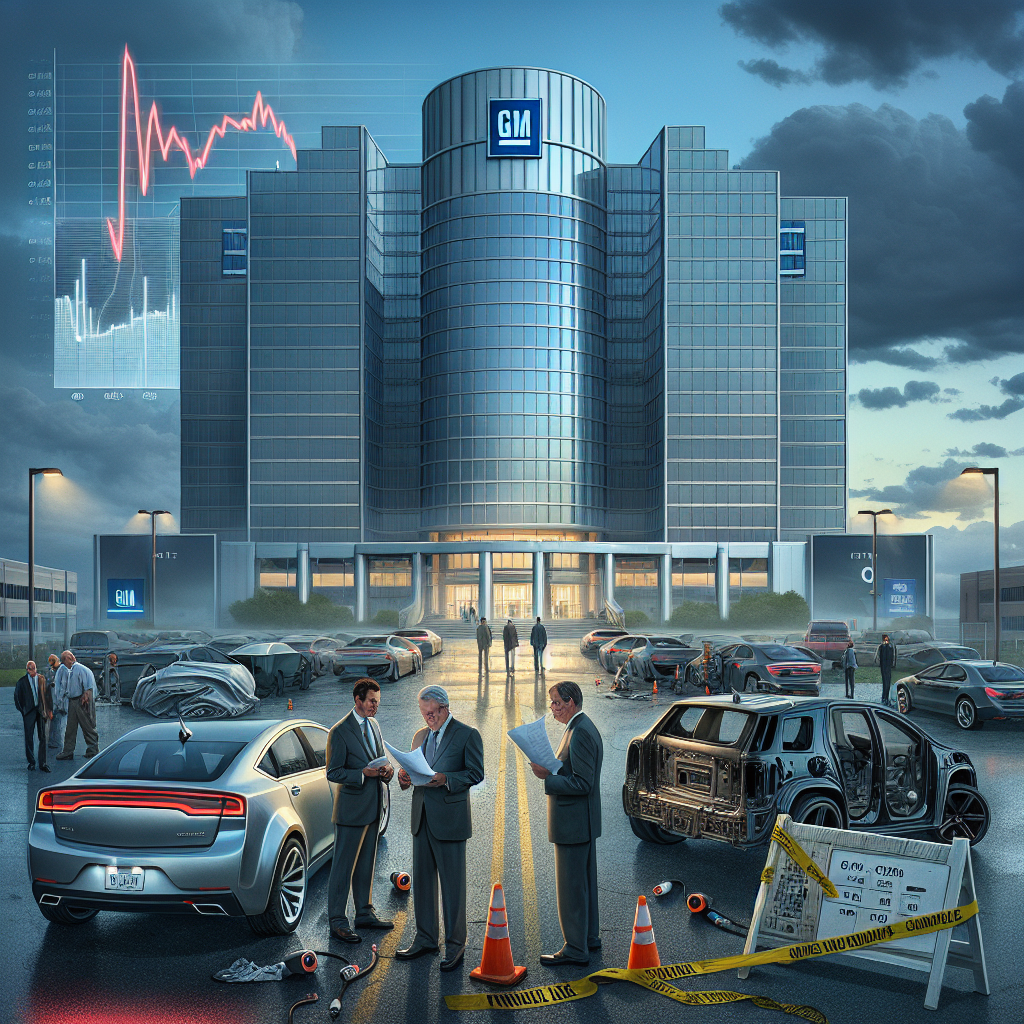
General Motors Faces a Rough Road: What Their Latest Earnings Loss Reveals About the EV Transition
The auto industry has seen massive changes over the past few years. Electric vehicles (EVs) are no longer a futuristic dream — they’re here, and they’re changing the way car companies do business. One of the biggest names in the game, General Motors (GM), just released their latest earnings report. And to many people’s surprise, it wasn’t good news.
Let’s break down what happened, why it matters, and what this could mean for the future of GM — and the EV industry as a whole.
So, What Happened with GM’s Earnings?
In its latest financial update, General Motors reported an unexpected earnings loss. This came as a shock to many investors and analysts who were expecting a solid finish to the year. GM had been showing steady progress with increased electric vehicle production and ambitious goals, so what went wrong?
The company cited several reasons for the downturn, but the biggest one is related to their ongoing transition to electric vehicles.
The Challenge of Transitioning to EVs
Switching from gas-powered vehicles to electric models isn’t as simple as flipping a switch. It involves major investments, new technologies, and a complete rethinking of manufacturing processes. For GM, this transition is proving more costly and more complicated than initially predicted.
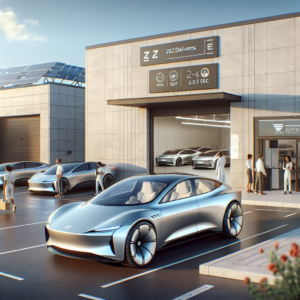
GM has poured billions into EV development, aiming to compete directly with giants like Tesla. However, building EVs at scale while continuing to sell traditional vehicles is expensive. Add in global supply chain issues and shifting consumer demand, and you’ve got a recipe for short-term financial strain.
Key Factors Behind GM’s Earnings Loss
Let’s look at some of the specific issues that contributed to the decline in earnings:
- Slower-than-expected EV rollout: GM had plans to roll out multiple EV models, but faced production delays and battery shortages.
- High upfront investment: Developing new EV platforms and renovating assembly lines cost more than what the company recouped this quarter.
- Lower consumer demand: Not all customers are ready to go electric, particularly in areas lacking charging infrastructure.
- Increased competition: Startups and established automakers around the world are fighting for their share of the EV pie.
It’s not just about building electric cars — it’s about building them well, getting them to market quickly, and convincing a traditional customer base to adopt a new way of driving.
The Bigger Picture: Why This Matters
GM’s surprise loss isn’t just a company issue, it’s a reflection of growing pains across the entire auto industry.
Think about it like renovating your home while still living in it. You need to keep things running day-to-day while investing in a long-term upgrade. That’s essentially what GM is doing. The traditional auto business is still running, but now they’re also trying to build the car of the future.
The problem? Those two things often compete for the same resources, time, money, and manpower.
What This Means for Consumers
If you’re thinking about buying a car soon, you might notice changes. With GM focusing more on EVs, older gas-powered models might be harder to find. On the flip side, new EV models may carry higher price tags until production becomes more efficient. And because of these transitional hurdles, you might also see delays or limited inventory in showrooms.
GM’s Response: Staying the Course Despite Setbacks
So how is GM responding to this earnings hiccup? In short, they’re not turning back.
CEO Mary Barra remains committed to an EV-first future. She acknowledged the recent challenges, but emphasized confidence in GM’s long-term vision. It may take time, but the company is still aiming to become a major player in the electric vehicle market.
That means continuing to invest heavily in battery technologies and partnerships (like Ultium Cells), launching new EV models, and pushing infrastructure improvements.
In a way, this is a test of GM’s resilience. Investors may have been disappointed in the short-term, but the company is betting big on the long run.
Is This a Temporary Bump — or a Sign of Trouble?
Many experts see GM’s recent loss as a temporary setback — a necessary part of the process when shifting into a new era of transportation. Making a dramatic change like this was never going to be easy or cheap.
Other companies, like Ford and Volkswagen, are facing similar challenges as they try to go electric. In many ways, GM’s experience is just part of the EV learning curve.
But here’s the million-dollar question: will GM’s long-term bet on electric vehicles pay off?
The Road Ahead
GM plans to release dozens of new EV models over the next few years and invest even more into clean energy solutions. If they can overcome production issues, reduce costs, and stay ahead of the competition, there’s a strong chance they’ll come out on top.
Still, some analysts are watching closely to see if consumers are truly ready to adopt EVs at scale — and whether GM can balance innovation with financial stability.
What Can We Learn from This?
Whether you’re a car buyer, investor, or just curious about the future of transportation, GM’s recent struggles offer a valuable lesson:
- Innovation requires patience. Big changes come with short-term sacrifices.
- The auto industry is in a major transition. Flexibility and foresight will separate the winners from the rest.
- Consumers have a big role to play. The more people embrace EVs, the faster this transition will go.
It’s a wait-and-see moment but also an exciting one. The cars of the future are coming, and companies like GM are racing to get us there.
Final Thoughts
General Motors’ unexpected earnings loss shows just how hard it is to reshape an entire industry. While this financial stumble may worry some, it also underlines how seriously GM is taking the electric revolution.
Yes, there will be bumps along the road. But with billions invested and a clear shift toward sustainable technology, GM is positioning itself not just as an automaker but as a key player in the future of mobility.
What do you think? Are you ready for the electric wave, or do you think traditional cars still have their place? Drop your thoughts below, we’d love to hear your take.