

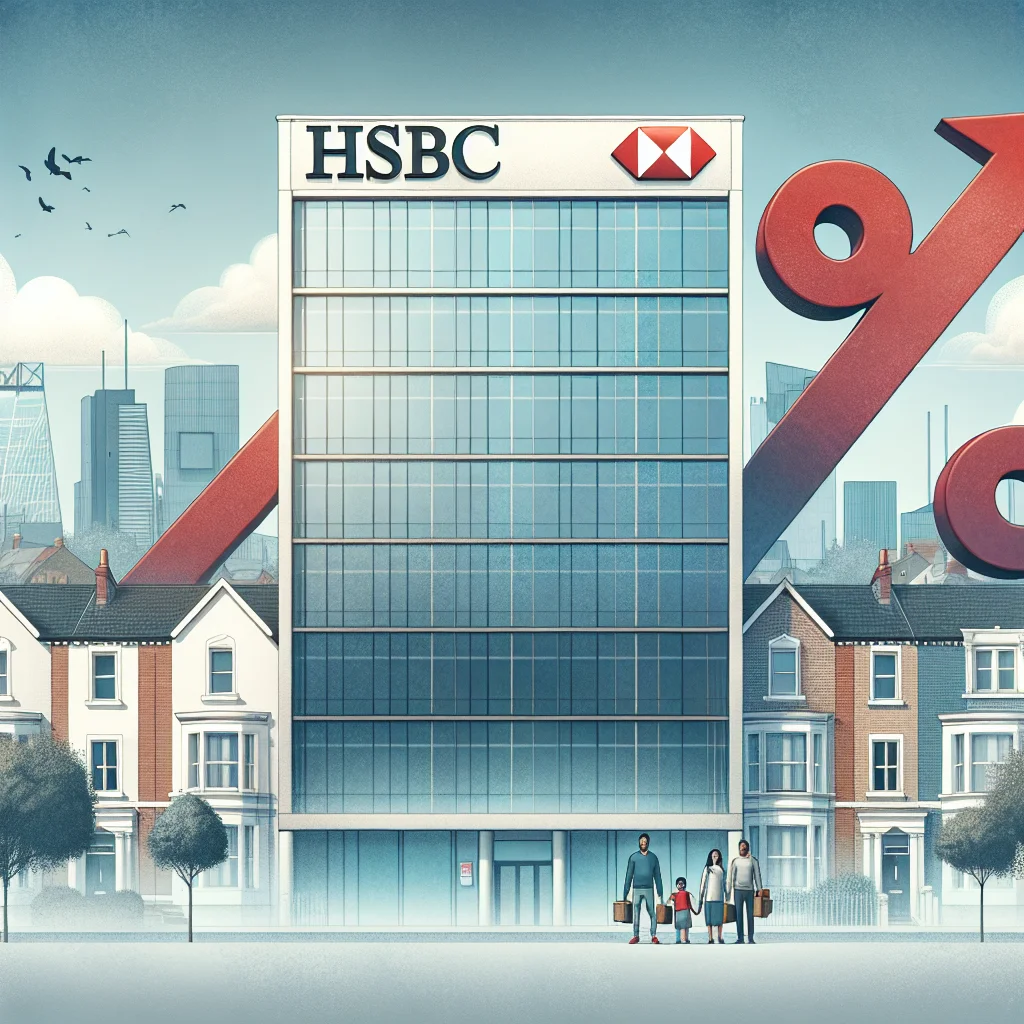
HSBC Cuts Mortgage Rates — What This Means for UK Homeowners in 2026
Good news for homeowners and house hunters in the UK: HSBC has become the first major UK bank to cut mortgage rates in 2026. If you’ve been holding off on buying a home or are tied to a high-interest mortgage, this could be the glimmer of hope you’ve been waiting for. But what does this move really mean for your wallet—and why is it happening now?
Why HSBC Lowered Its Mortgage Rates
If you’ve been keeping up with the housing market, you know it’s been a rollercoaster. After years of rising interest rates and tightening lending conditions, many people found themselves stuck—either unable to buy a new home or struggling to afford their monthly mortgage payments.
But now, HSBC has taken a bold step by reducing its mortgage rates. Why? Let’s break it down:
- Falling inflation: With inflation finally coming down after a turbulent few years, banks are feeling more confident about easing lending terms.
- Stable economic outlook: The Bank of England has held its base rates steady in recent months, signaling that we might be past the worst of the financial storm.
- Competitive edge: By cutting interest rates, HSBC is aiming to attract new customers and stand out in a crowded mortgage market.
Think of it like a sale at your favorite store. When prices drop, people get interested. HSBC is offering a better deal, hoping more people will walk through their doors—or perhaps click on their mortgages page.
How Much Are the New Rates?
You’re probably wondering—how much can I actually save?
HSBC’s new five-year fixed-rate mortgage now starts at 3.94%—down from just over 4% previously. While it might not sound like a massive drop, even a small reduction can lead to big savings over time.
Let’s look at a quick example:
- If you borrowed £250,000 over 25 years at a fixed rate of 4.25%, you’d pay around £1,353 per month.
- At the new 3.94% rate, that drops to about £1,322 per month.
That’s a savings of £31/month—or £372 a year. Over five years, that adds up to £1,860. That’s enough for a short holiday, a new sofa, or to simply keep in your rainy-day fund.
What This Means for First-Time Buyers
If you’re stepping onto the property ladder for the first time, lower interest rates mean lower monthly payments. That’s great news at a time when house prices still remain relatively high—especially in cities like London, Manchester, and Edinburgh.
Plus, many lenders offer special deals for first-time buyers, so rate cuts could make those deals even sweeter. It might even help more people get approved for a mortgage, as lower repayment amounts improve affordability checks.
Top Tips for First-Time Buyers
- Shop around: Don’t jump at the first mortgage offer. Compare different lenders and see who gives you the best deal.
- Crunch the numbers: Use online mortgage calculators to understand how different rates affect your monthly payments.
- Talk to a broker: A mortgage broker can often find deals that aren’t available directly to the public.
How Other Banks Might React
Now that HSBC has made the first move, it’s very likely that other major lenders will follow suit. In fact, competition in the mortgage market often works like dominoes—once one bank drops its rates, others tend to do the same to stay competitive.
This could be the start of a trend leading to more affordable home loans in 2026. If more banks lower interest rates, we could see a gradual recovery in housing market activity after a slowdown in 2024 and 2025.
Should You Lock In a New Mortgage Now?
Great question, and the answer depends on your situation. If you’re on a variable rate mortgage or your fixed-rate period is coming to an end, now might be a good time to start exploring new deals.
However, timing is everything. Some experts suggest waiting a little longer, as more lenders may cut their rates soon. But if you find a deal that suits you and offers long-term savings, locking in early could give you peace of mind.
Here’s what to consider:
- Your current mortgage rate: If it’s significantly higher, switching sooner could save you money.
- Exit fees: Check if there are penalties for leaving your current mortgage.
- Rate predictions: No one can predict the future perfectly, but speak with a financial advisor or broker to get their take.
What This Means for the UK Housing Market
Lower mortgage rates often mean more people buying homes. That increased demand can lead to a livelier housing market—but it can also push house prices upward again.
So, what should you expect in 2026?
- More first-time buyers could be entering the market, fueling demand.
- Homeowners might refinance to take advantage of lower rates.
- Increased competition for properties may lead to quicker sales—and potentially higher offers.
If you’re thinking of selling, now could be a good time to start preparing. And if you’re buying, it’s smart to get all your paperwork and finances in order before the competition heats up.
Final Thoughts: A Step in the Right Direction
For many of us, mortgages are one of the largest financial commitments we’ll ever make. So, any sign of relief—like HSBC’s mortgage rate cuts—is a welcome one.
Whether you’re a first-time buyer, a seasoned homeowner looking to remortgage, or someone just curious about the market, this move by HSBC might mark the beginning of better, more affordable times ahead.
Of course, we don’t have a crystal ball—but right now, it feels like the clouds are finally starting to clear in the UK housing market.
What Do You Think?
Are you planning to take advantage of the new mortgage rates? Or are you waiting to see what other banks do next? We’d love to hear your thoughts in the comments below—let’s start a conversation.
And if you found this blog helpful, why not share it with a friend who might be house-hunting this year?