
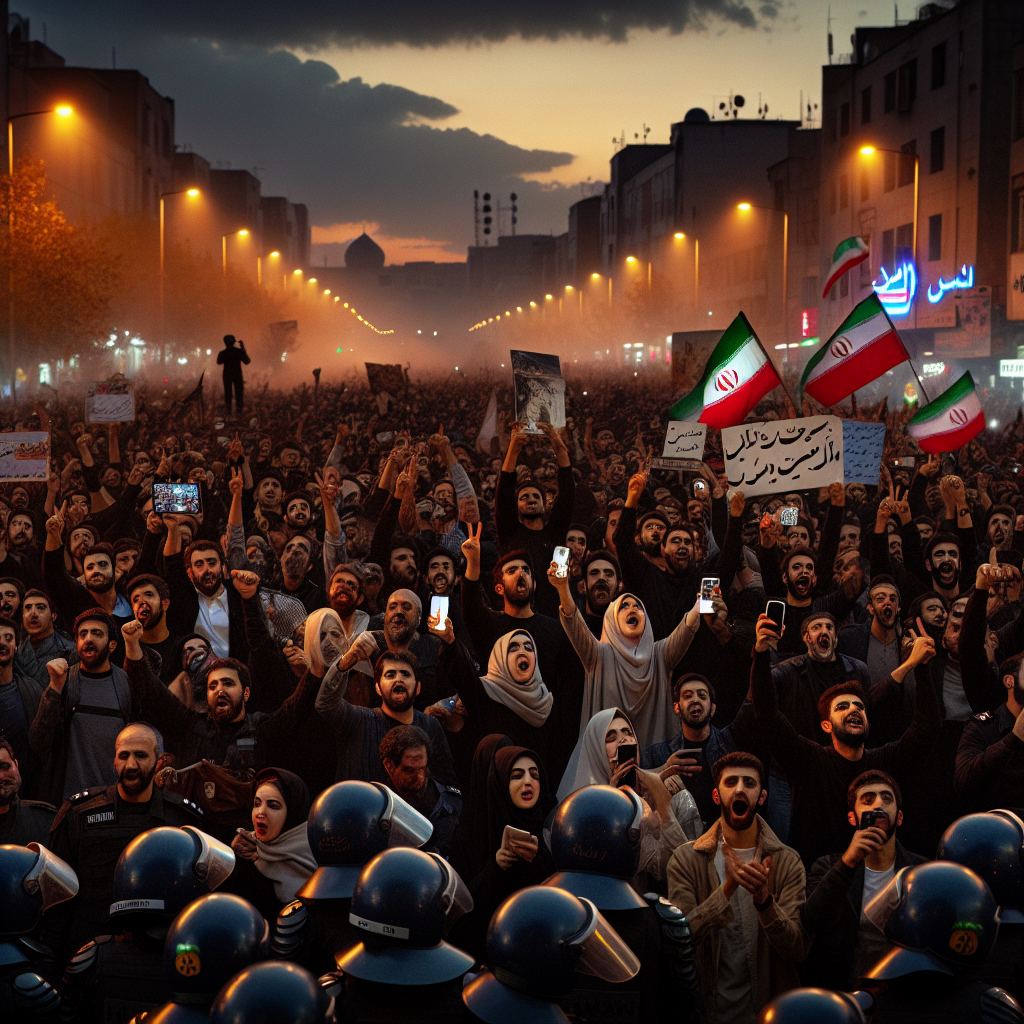
Iran’s Economic Crisis Sparks Largest Protests Since 2022: What’s Really Happening?
Imagine not being able to afford your groceries, pay rent, or even keep the lights on—despite working every day. That’s the reality many Iranians are now facing, and it’s led to the country’s biggest protests in years.
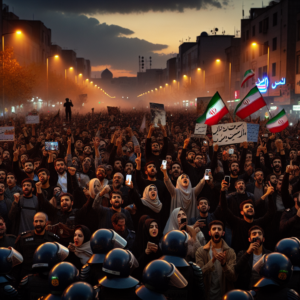
Over the past few months, cities across Iran have seen a wave of demonstrations. People are taking to the streets not just because they’re frustrated with high prices, but because they feel their voices have been ignored for far too long.
So, what’s behind these protests? Let’s break it down in simple terms, so you get the full picture.
Why Are Iranians Protesting?
The protests, which have spread across over a dozen cities including Tehran and Isfahan, are largely fueled by one thing: the country’s struggling economy.
- Inflation is skyrocketing. Basic items like food and fuel have become almost unaffordable for many families.
- Unemployment is high. Young people, even college graduates, are having a hard time finding work.
- The national currency, the rial, is losing value fast—making imports more expensive and weakening purchasing power for everyday Iranians.
These issues have been ongoing, but now they’re reaching a breaking point. Whether it’s a mechanic in Mashhad or a teacher in Shiraz, people across the country are all saying the same thing: “We can’t live like this anymore.”
Is This Just About the Economy?
While the economy is the spark, the fire has been fueled by deep frustration with the government. Many protestors are calling for big changes—some even going as far as saying they want to see an end to the country’s current leadership structure.
Chants like “We want the mullahs gone” have been heard in several demonstrations. That’s a bold statement in a country where criticizing the government can come with serious consequences. But people seem ready to speak out, no matter the risk.
Why Now?
The timing isn’t a coincidence. The protests come just three years after the 2022 demonstrations sparked by the death of Mahsa Amini, a young woman who died in police custody after being arrested by the morality police.
Back then, the focus was on women’s rights and freedoms. This time it’s more about everyday survival—but both uprisings share a common thread: a deep desire for change.
How Is the Government Responding?
So far, the Iranian government has responded with a mix of silence and force.
- Crackdowns have been reported in multiple cities, with protestors arrested and internet access limited.
- Officials are trying to calm the situation by making promises of economic reform, but many citizens are not convinced.
- State media is staying quiet, offering very limited coverage of the events. This has pushed people to share images and videos online, even at great personal risk.
One protester said, “We’re tired of empty words. We want real change.” And that seems to be the sentiment echoed in gatherings nationwide.
What’s Life Like for the Average Iranian Right Now?
Let’s say you’re a teacher in Tehran. You get your monthly salary, but it barely covers rent. Grocery prices have doubled, so meat has become a luxury. You have a college degree, but your younger cousin with the same background can’t find a job and is considering moving abroad.
For families trying to raise children, this economic pressure is crushing. Parents are worried about how to afford school supplies, let alone save for the future. Many are cutting back on essentials just to get by.
It’s not just about discomfort—it’s about losing hope.
Could This Be a Turning Point?
That’s the big question. Could this be the moment that reshapes Iran?
Some believe these protests could inspire long-term change, especially if more people join the movement and international attention grows. Others fear a harsh crackdown could silence the movement before it gains real momentum.
History shows us that when people unite around a common cause, big things can happen. But in countries with tight control like Iran, that road is never easy.
What Can the Rest of the World Do?
It’s easy to feel powerless when watching events like this unfold from afar. But raising awareness goes a long way. When the international community talks, leaders have to listen.
Sharing credible news, supporting humanitarian efforts, and keeping the spotlight on human rights violations can all help apply pressure for change.
Countries and international bodies can also play a role through diplomatic efforts like sanctions targeting regime leaders or public support for freedom of expression.
The Bottom Line
What’s happening in Iran right now is about more than just rising prices—it’s about people demanding a better life. They want to live in a country where they don’t have to choose between feeding their families and speaking their minds.
Their courage in the face of fear is powerful. And while the road ahead is uncertain, one thing is clear: the Iranian people are not giving up easily.
Want to Stay Updated?
Stories like these are changing every day. If you want to keep up with the latest on Iran’s protests and other global issues, be sure to follow reliable sources and subscribe to our newsletter for updates delivered straight to your inbox.
And remember—knowledge is power. The more we understand, the more we can make a difference.
Have thoughts or questions about this story? Drop them in the comments—we’d love to hear from you.