

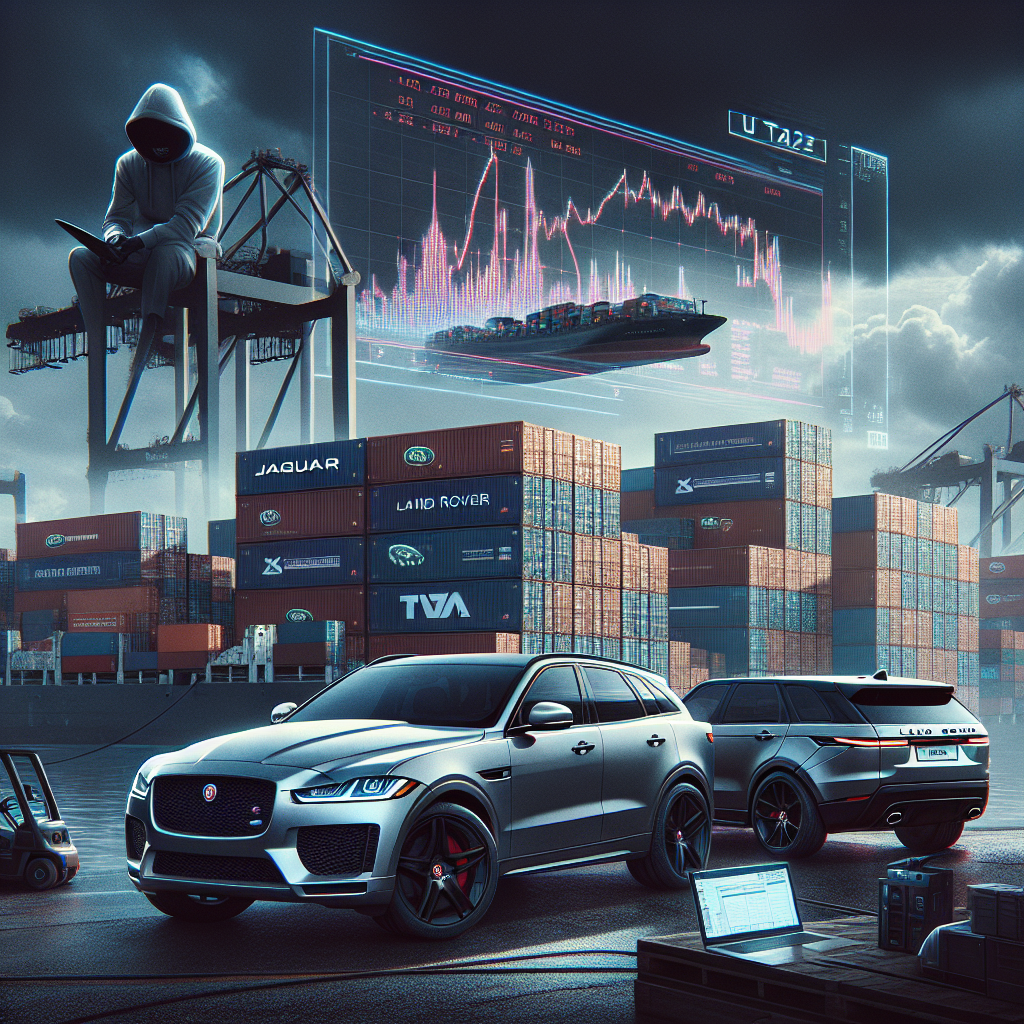
Jaguar Land Rover Faces Tough Road Ahead: Sales Drop Due to US Tariffs and Cyberattack
Imagine driving your dream Jaguar or Land Rover through winding hills or sleek highways, only to find out your beloved carmaker is hitting unexpected potholes. That’s exactly what’s happening with Jaguar Land Rover (JLR) right now—and it’s not because drivers have lost interest in luxury. Rather, a mix of global setbacks, including rising US import tariffs and a major cyberattack, has caused the British automaker’s sales to skid in reverse.
So what exactly happened, and why should you care—even if you’re not in the market for a luxury SUV? Let’s break it down.
How Bad Is It? JLR’s Sales Drop Explained
At the start of 2026, Jaguar Land Rover reported a 14% drop in global sales for the final quarter of 2025. That’s a significant slump, especially considering the buzz around their newer electric and hybrid models.
India’s Tata Motors, which owns JLR, shared that the biggest hit came from the United States. And the reasons? Two heavyweights that no automaker wants to face:
- Steep US import tariffs on electric vehicles being shipped from outside North America
- Operational disruption from a cyberattack in late 2025 that put factories and systems briefly offline
Why Did the US Market Have Such an Impact?
The US has traditionally been one of JLR’s main money-makers. In the eyes of American drivers, Land Rover means rugged luxury, and Jaguar spells sharp style. But now, it seems even premium brands are feeling the crunch.
Because most of JLR’s electric vehicles are built in the UK, they don’t qualify for incentives under the US Inflation Reduction Act. That makes them more expensive at the dealership, and when price matters most, buyers lean toward homegrown or tariff-free alternatives. In fact, sales in North America dropped a jaw-dropping 43% in the last quarter of 2025. Yikes!
The Cyberattack: A Digital Roadblock
If high tariffs weren’t enough, JLR also became the target of a significant cybersecurity breach in 2025. This attack disrupted production and delayed deliveries, frustrating both dealers and customers. Imagine ordering your new Defender only to be told, “We don’t know when it’ll get here.” That’s not a great look for a luxury brand.
Although Tata said the critical systems were back online “reasonably quickly,” the damage was done. Limited availability meant fewer cars on the lot—which translated into fewer sales in key regions like the US and UK.
JLR’s Bright Spot: Strong Performance in Europe and China
It wasn’t bad news across the board. While US sales slumped, JLR saw encouraging signs in other parts of the world. Sales in Europe rose by 2%, and China posted an even stronger 28% growth. These numbers suggest that global appetite for luxury SUVs and EVs hasn’t disappeared—it’s just shifting.
JLR was especially happy about how its high-end vehicles like the Range Rover, Range Rover Sport, and Defender are continuing to do well. These models accounted for over 80% of the company’s revenue last quarter.
But Can You Build Momentum Without the US?
Here’s the tricky part. While Europe and China are important markets, American buyers have deep pockets and a strong love for SUVs. Ignoring or struggling in the US means missing out on a lot of potential revenue.
What This Means for Car Buyers
If you’re a fan of Jaguars or Land Rovers, you might be wondering: Should I be worried about the brand’s future?
Probably not in the short term. Tata Motors seems committed to investing in JLR, and the company is still generating solid revenue—about £7.4 billion for the quarter. However, production delays and price hikes might impact availability and affordability in certain regions, especially North America.
Looking to Buy a Luxury EV?
JLR is doubling down on electric vehicles, despite these challenges. Their latest models blend classic luxury with cutting-edge battery technology. But if you’re in the US, be prepared to pay a premium due to tariffs—or look for deals on older models that may escape the import tax.
How JLR Plans to Bounce Back
Every carmaker hits a few speed bumps. The question is: How quickly can they recover?
Here’s how JLR plans to get back on track:
- Expanding local production: There are rumors that JLR may explore North American factories to avoid tariffs and qualify for government incentives.
- Improving cybersecurity: After the 2025 breach exposed vulnerabilities, expect JLR to pour more resources into digital protection.
- Focusing on premium models: With high-end vehicles still selling strong, JLR will likely double down on what they do best—premium performance, bold design, and refinement.
Will That Be Enough?
Only time will tell. The automotive world is changing faster than ever. More electric cars are entering the scene, governments are altering incentive structures, and even a cyberattack can bring production to a halt in days. But JLR has proven time and again it can adapt. The key now will be how fast—and how well—they react.
Final Thoughts: A Bumpy Ride for a Heritage Brand
Jaguar Land Rover’s recent troubles are a reminder of how interconnected today’s car industry really is. A political decision on one continent and a hacker on another can both send shockwaves through global production lines.
While the drop in sales may seem alarming, the company still has strong legs to stand on. Its best-selling models continue to shine, and growing markets like China could help balance out weaker ones.
So if you’ve had your eye on a new Range Rover or the sleek Jaguar I-Pace, don’t panic. The brand isn’t going anywhere. But if you’re in the US, you might want to brace for longer waits and steeper prices—at least for now.
Have You Noticed Changes in Car Availability?
Are vehicle prices in your area suddenly climbing? Have you ordered a car recently and faced unexpected delays? Drop your experience in the comments, we’d love to hear how global auto trends are affecting everyday drivers like you.