

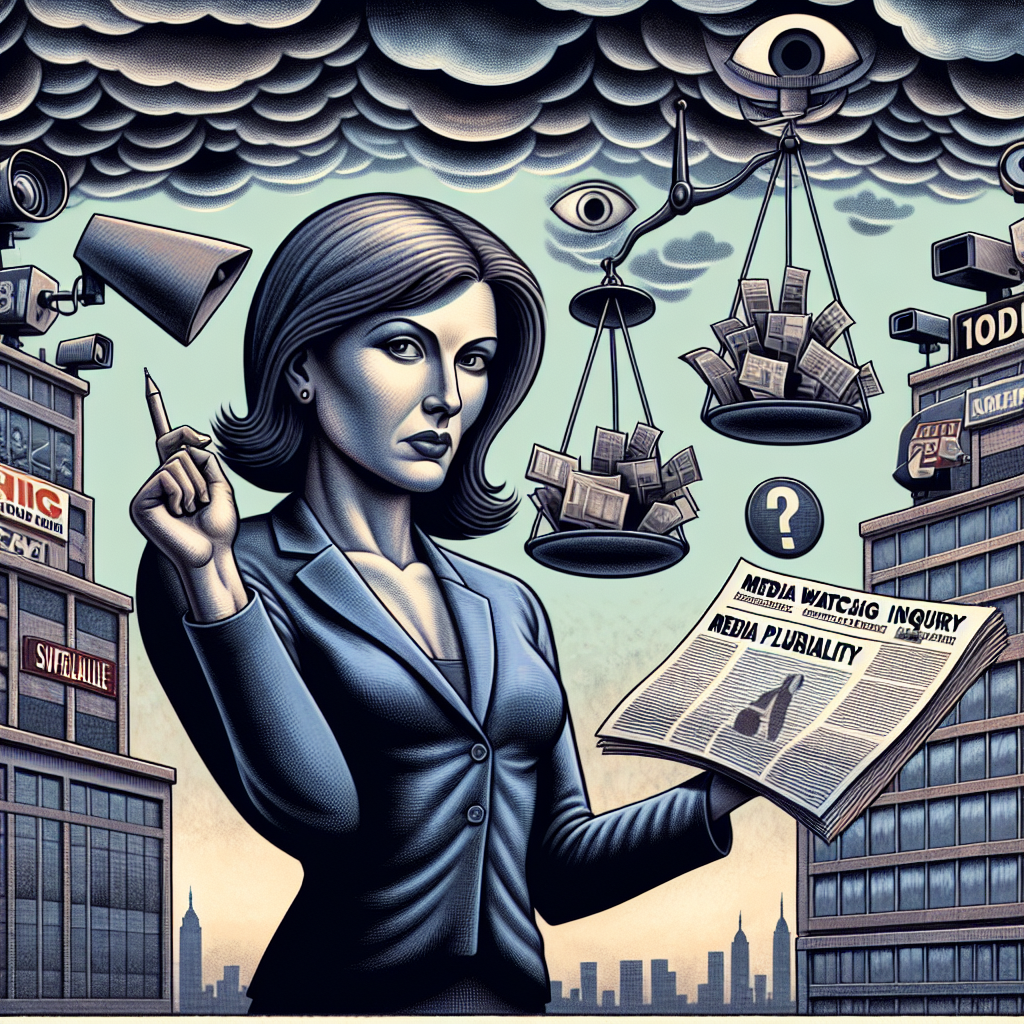
Lisa Nandy Flags Telegraph Sale Over Media Ownership Concerns: What’s Going On?
In today’s world, where we get our news and who controls that news is more important than ever. That’s why when big media deals happen, people pay attention. This is exactly what’s happening now with the potential sale of the Telegraph newspaper and the Spectator magazine. If you’ve heard the name Lisa Nandy in the headlines recently, here’s why.
What’s the Deal With the Telegraph Sale?
Let’s break it down. The Telegraph titles, which include the Daily and Sunday Telegraph as well as the Spectator, are up for sale. And a possible buyer has caught the eye of UK politicians and regulators alike RedBird IMI, a media investment group backed by funding from the United Arab Emirates (UAE).
Now, that might not seem like a big deal at first glance, but once you dig deeper, questions start to pop up. Who’s really funding this? What are their intentions? And how might this impact what news stories get told and how they’re told?
Lisa Nandy Steps In
Lisa Nandy, Labour’s Shadow Cabinet minister for Culture, Media and Sport, has officially asked media watchdogs to take a closer look at the sale. And she’s not the only one raising her eyebrows—others worry this deal could mean too much power falling into too few hands, especially those with clear political leanings.
She’s asked the Communications Regulator (Ofcom) and the Competition and Markets Authority (CMA) to review the takeover under the UK’s media merger laws.
Why? Because there’s concern that this deal could undermine what’s known as media plurality, a fancy term that basically means a healthy mix of voices and viewpoints in the press.
Why Media Plurality Matters
So, let’s talk about media plurality for a second. Imagine if all the articles you read, news broadcasts you listen to, and social media updates you scroll through were written by the same handful of people or worse, overseen by folks with one clear agenda. Doesn’t seem right, does it?
We often take for granted that we can access different points of view, but when ownership gets too concentrated, especially in the hands of politically motivated groups, that balance can shift. And with groups like DMG Media (owners of the Daily Mail) also reportedly interested in bidding, there’s real concern that conservative voices would become too dominant.
Here’s what people are worried about:
- Consolidation of media power in the hands of people with the same political outlook.
- Reduced diversity of opinion in the UK press.
- The risk of foreign influence in UK media, especially when the funds are coming from abroad.
Who Is RedBird IMI Anyway?
If you’ve never heard of RedBird IMI, you’re not alone. It’s a relatively new company but packs some power. The group includes RedBird Capital, a US-based investment company, and IMI, which is backed by the UAE. The concern many have is that while RedBird seems to operate in the US and internationally, its funding ultimately comes from a foreign government with its own policies and goals.
Do you see where this gets tricky? When a foreign-backed group starts buying up media, there’s always a fear that reports may be biased or that certain topics could be… well, quietly ignored.
How the Government is Responding
The UK government hasn’t made a final decision yet. But because Nandy made an official request, they now have to consider whether to greenlight an investigation. If they do, Ofcom and the CMA will review whether the deal could hurt media diversity or competitiveness.
You might remember a similar review happened back when Rupert Murdoch tried to take full control of Sky. That situation sparked a lot of controversy, and it was eventually blocked partly due to media plurality concerns too.
What Could Happen Next?
So what’s next? Here are a few possibilities:
- The government allows the deal to go ahead without intervention—though this seems unlikely given the spotlight on it.
- A full investigation is launched, delaying the sale or potentially blocking it altogether.
- The deal moves forward under new conditions requiring the buyer to uphold editorial independence.
No matter what happens, there’s one thing that’s clear: media ownership is no longer just a business issue—it’s a democracy issue.
Why You Should Care About Who Owns the News
It’s easy to scroll past headlines like this and think, “That doesn’t affect me.” But it does maybe not today, but over time, these ownership changes shape what narratives society hears.
Think of it like this: Imagine grocery shopping, but 90% of all supermarkets are owned by the same company. Sure, the branding might look different, but the products on the shelves would eventually start to look very similar. The same happens with news. Fewer owners can mean fewer voices and that weakens public debate.
Final Thoughts
Lisa Nandy’s move to involve media regulators isn’t just about blocking a sale. It’s about protecting the freedom and diversity of the press in the UK. Whether or not you agree with her politics, it’s hard to argue against the need for transparency and balance in who controls our media.
We all have a stake in how the stories that shape our world are told. And if nothing else, this debate is a reminder to stay watchful and informed—not just about what’s being reported, but who’s behind it all.
How to stay safe?
- Pay attention to who owns the media you consume.
- Mix up your sources, read from different outlets, left and right.
- Support independent journalism.
So, what do you think? Should foreign-funded groups be allowed to buy UK media outlets? Or is it time to draw boundaries to protect editorial independence? Let us know your thoughts in the comments!