
Rising UK Food Prices: What’s Behind the Cost at the Checkout?
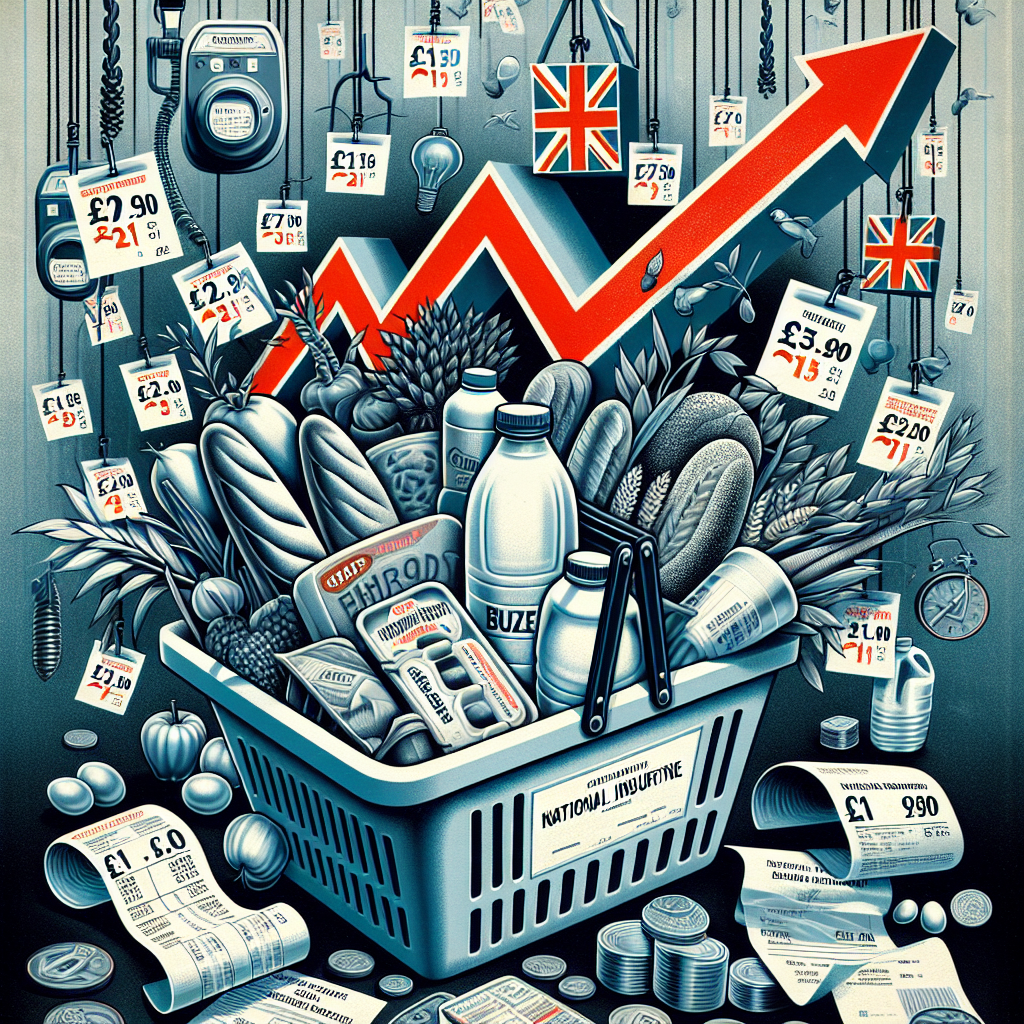
Ever noticed your food shop getting a little more expensive each week? You’re not imagining it. Across the UK, people are feeling the pinch as food prices continue to risecand it’s not just because of inflation.
In this blog post, we’ll break down why food prices are going up in the UK, what’s causing it, and what it means for your weekly budget. We’ll keep it simple, informative, and most of all relatable. Let’s dive in.
What’s Causing the Surge in Food Prices?
There isn’t just one reason food has become pricier lately. It’s more like a recipe with a few unfortunate ingredients thrown together. According to UK retailers, the two biggest contributors are:
- Higher energy bills
- Increased National Insurance (NI) contributions
Let’s take a closer look at how each is playing a role in your rising grocery bill.
1. Soaring Energy Bills: Powering Our Food System Comes at a Price
From lighting supermarkets to powering refrigerated trucks, energy is behind almost every part of the food supply chain. When energy prices climb and boy, have they drive up the cost of doing business for everyone involved in food production and sales.
Think about it: the farmer who needs to run equipment, the factories that package your pasta, and the shops that keep your milk chilled all those energy costs add up. And when businesses pay more, those extra charges often end up passed along to customers like you and me.
Increased energy costs don’t just hit businesses. Households feel it too. If you’re paying more to heat your home, that’s less money left for groceries. It’s a tough balancing act.
2. Rising National Insurance: More Pressure on Wages
National Insurance is a tax most workers and employers have to pay. When those rates increased, it meant higher costs for businesses across the country.
For big supermarket chains and small shops alike, this hike meant more money going out to cover staff wages. Naturally, that impacted the overall cost of running the business. And again, where do those extra costs land? Right on the price tag of your loaf of bread or carton of eggs.
Retailers have also had to deal with wage increases in order to keep up with the cost of living. While this supports workers, it adds another layer of cost that affects the final price on store shelves.
What Do UK Retailers Have to Say?
According to the British Retail Consortium (BRC), which represents UK retailers, businesses are doing their best to absorb rising costs without passing too much on to customers. But there’s only so much they can bear before price hikes become inevitable.
In a recent update, the BRC said food prices are under “upward pressure” thanks to these external forces. Meanwhile, things like dairy and meat have been especially affected largely because their production relies heavily on energy.
The message from retailers is clear: they’re not increasing prices just to boost profits. Most are simply trying to stay afloat and keep shelves stocked amid growing costs.
Are Prices Still Rising?
While the overall inflation rate in the UK has started to ease slightly, food inflation remains sticky. That means groceries aren’t getting cheaper at the same pace even if other prices in the economy have begun to stabilise.
Let’s break that down for a moment. Imagine the cost of your train fare drops slightly, but your weekly food bill keeps creeping up. That’s what’s happening now so it doesn’t always feel like inflation is easing, even when statistics say it is.
According to recent figures, some categories like bakery items, fish, and fresh produce are seeing sharper price rises than others. So while the average may seem OK, it really depends on what you’re buying.
Good News? Some Costs May Ease in 2026
Looking ahead, there’s hope that some of the pressure could lift. Wholesale energy costs are expected to eventually decrease, and as the market stabilizes, there may be room for price improvement on key products.
However, no one’s quite sure when or how quickly that will happen. In the meantime, UK households are still grappling with rising bills, making everyday budgeting a bit more of a challenge.
What Can You Do as a Shopper?
All this talk about energy bills and taxes might feel overwhelming but it also empowers you. Understanding what’s pushing prices up means you can shop smarter. Here are a few practical tips:
- Make a list: Planning meals ahead cuts down on impulse buys and reduces waste.
- Look for own-brand items: Supermarket labels often offer the same quality as premium brands for less.
- Use discount apps and loyalty schemes: There are plenty of ways to knock a few pounds off your shop each week.
- Buy in bulk (when it makes sense): Products like rice, pasta, and canned goods often work out cheaper in larger sizes.
Final Thoughts: It’s Not Just You
If you’ve been feeling like your money doesn’t stretch as far as it used to at the supermarket, you’re definitely not alone. The rising cost of food in the UK is shaped by a mix of factors from energy bills and taxes to wage increases and global supply chain pressures.
Retailers aren’t immune either. They’re facing their own uphill battle to keep prices competitive and businesses thriving. So while it might be frustrating to see higher costs, it helps to know why it’s happening and what you can do about it.
Has your grocery bill changed in the last few months? Do you have any budget-friendly shopping tips you swear by? We’d love to hear from you. Feel free to drop your thoughts in the comments below!
Stay Informed, Stay Smart
Keeping up with the latest on household expenses doesn’t have to be confusing. Subscribe to our newsletter for more down-to-earth insights into money, food, and living well in the UK no jargon, just answers.