

NYC Nurses Strike: Why Thousands Walked Out for Better Pay and Safer Staffing
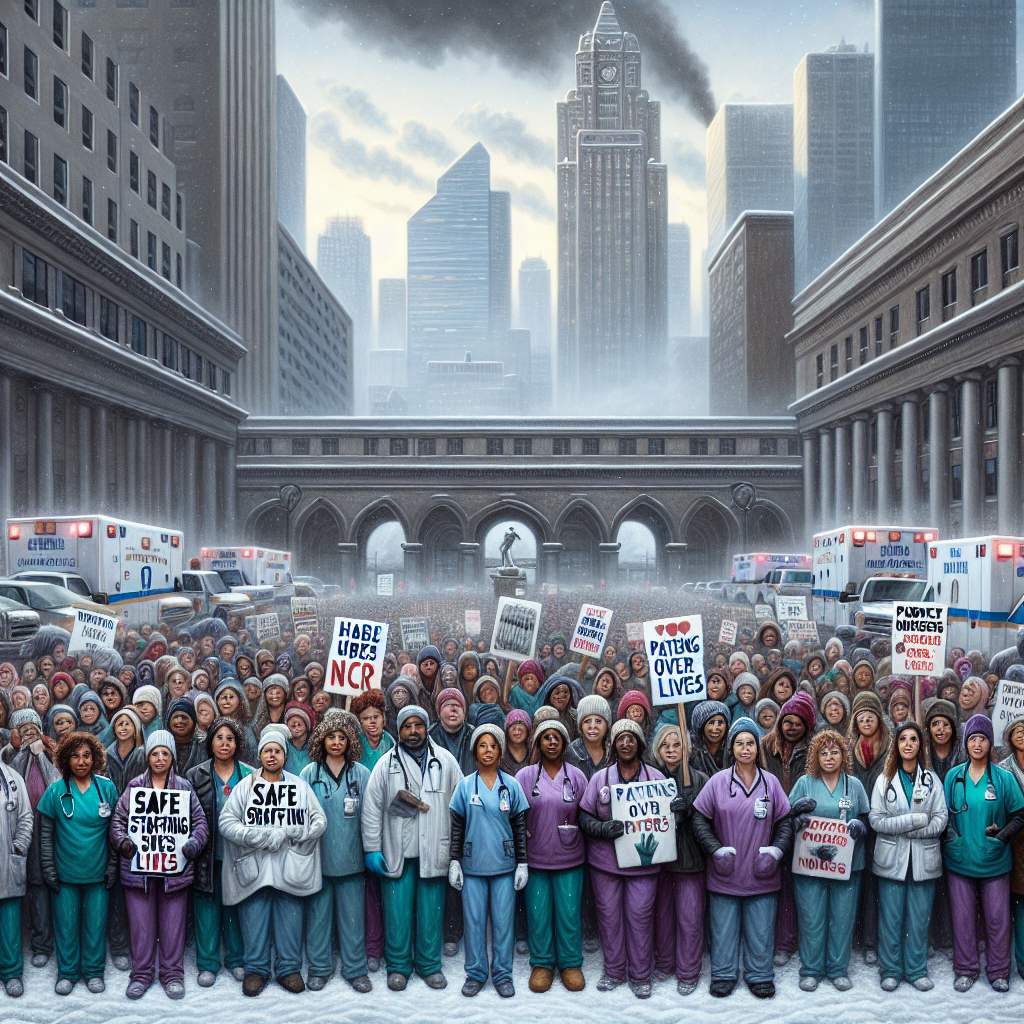
On a cold January morning, over 7,000 nurses in New York City made a powerful move — they walked off the job. Not because they wanted to cause chaos or avoid work, but because they felt they had no other choice. These nurses are fighting for something every one of us can relate to: fair pay and safety — not just for themselves, but for the patients they care for every day.
What’s Going On With the New York City Nurse Strike?
The strike took place across two major hospitals in NYC — Montefiore Medical Center in the Bronx and Mount Sinai Hospital in Manhattan. For months, nurses have been trying to negotiate with hospital management for better working conditions. But after talks broke down, they decided to take action.
Here’s what the nurses are asking for:
- Better patient-to-nurse ratios, so each nurse can safely care for fewer patients.
- Fair wages that reflect the hard work and responsibility of their jobs.
- Safe working conditions to reduce burnout and improve care quality.
Why Are Staffing Levels a Big Deal?
Ever been in a hospital and had to wait a long time for a nurse to check in on you? It’s likely not because they didn’t care. In many hospitals, one nurse might be responsible for 8, 10, or even more patients at once. That’s not just stressful for the nurse, it’s dangerous for patients too.
Imagine juggling 10 highly fragile situations at once, hour after hour. It’s like trying to put out fires with only one water hose. Nurses fear that, without enough help, people could suffer from delayed treatment or even life-threatening mistakes.
This isn’t just a hospital issue. It’s a public safety issue. When staffing is too low, care suffers and no one wins.
A Cry for Help Turned Loud
The nurses aren’t asking for luxury perks or cushy schedules. They’re asking for a working environment where they can do their jobs well. One nurse who joined the strike said, “We don’t want to leave our patients. But we can’t give quality care when we’re stretched this thin.”
These professionals are the backbone of our healthcare system. They’re the ones holding a patient’s hand during a scary moment or catching a medication error in time. When they raise the alarm about working conditions, it’s wise to listen.
How Did the Hospitals Respond?
Both hospitals expressed disappointment over the strike and say they are doing all they can to resolve the issues. Temporary nurses were brought in during the walkout to keep services running, but let’s be honest — it’s not the same. Temporary staff may not know the patients, the hospital layout, or their teammates’ rhythm, which can slow things down even more.
Montefiore Medical Center claimed to be continuing negotiations and even proposed adding more nurses. Mount Sinai also said they were putting offers on the table. But for the nurses striking outside, those offers weren’t enough to make them feel heard or safe to return.
Why This Strike Matters — Even If You Don’t Live in NYC
You might be thinking, “This is just a New York City problem.” But it’s not. Healthcare staffing shortages exist nationwide. Nurses everywhere are speaking up about dangerously high patient loads, long hours, and burnout. The pandemic didn’t start this problem, it just made it worse.
When nurses stand up in New York, they’re speaking for nurses across the country.
This strike is a message: The system is strained, and unless things change, patient care will continue to suffer.
Think About It: Would You Want a Pilot Handling Two Planes at Once?
Probably not. And yet, in most hospitals today, that’s exactly what’s happening, only instead of two planes, it’s ten patients, each with different issues and needs. Nurses choose their profession because they care. But they’re not superhuman. At some point, something’s gotta give.
What’s Next? A Step Toward Resolution
Following several days of striking and public pressure, Montefiore came back to the table. An agreement was eventually reached that included:
- Over 170 new nursing positions to reduce patient ratios.
- Improved enforcement mechanisms for safe staffing levels — nurses can now report violations more easily.
- Wage increases totaling 19% over three years, to help retain and attract staff.
Mount Sinai’s deal followed soon after, and nurses began returning to work. For many, it felt like a win — not only for themselves but for the patients they serve.
Final Thoughts: Why We Should Care About Nurse Working Conditions
This strike wasn’t about protest for the sake of protesting. It was about saving lives, preventing burnout, and speaking up for change before it’s too late.
Just like we expect teachers to have the right tools to teach or firefighters to have gear that protects them, we owe our nurses a workplace that lets them care for us properly. Every person walking into a hospital deserves to be treated by someone who isn’t stretched to the breaking point.
Healthcare isn’t just about medicine. It’s about people: the sick, the healing, and the ones taking care of them all. When nurses take care of us, we should take care of them too.
Takeaway
If you’re wondering what you can do, here’s a few ideas:
- Support legislation that promotes safe staffing levels in hospitals.
- Thank a nurse genuinely for the work they do every day.
- Stay informed about healthcare issues. What happens to nurses today could affect your care tomorrow.
Have You Ever Been Cared for by a Nurse Who Made a Difference?
Chances are, you have. Share your story in the comments, let’s remind each other just how important these professionals are in our lives and why supporting them matters more than ever.