

Nvidia’s Rise to the Top: How Jensen Huang Led the Chip Giant in 2026
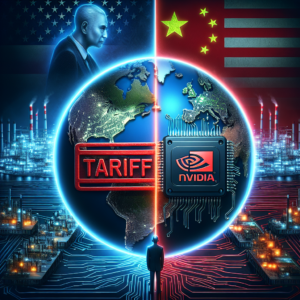
In the fast-moving world of technology, staying ahead of the curve isn’t easy. But one company has not only kept up, it’s taken the lead. Nvidia, under the direction of CEO Jensen Huang, has become the dominant force in the global chipmaking industry in 2026. How did it get there? Let’s break it down in simple terms and explore what this means for the future.
What Is Nvidia and Why Should You Care?
If you’ve used a smartphone, played video games, or scrolled through social media, you’ve likely come into contact with Nvidia technology—whether you knew it or not. Nvidia designs powerful graphics processing units (GPUs)—the kind of chips that help computers and servers handle loads of complex tasks quickly.
But it’s not just about better visuals for video games anymore. These chips are now fueling the most exciting technologies of our time: artificial intelligence (AI), self-driving cars, and advanced data centers.
Jensen Huang: The Man Behind the Momentum
Every great story has a visionary at its core, and for Nvidia, that leader is Jensen Huang. He co-founded the company back in 1993, and over three decades later, he’s still at the helm—steering Nvidia into uncharted territory with confidence.
Known for his signature leather jackets and energetic keynote speeches, Huang isn’t the typical corporate executive. Instead, he’s remained deeply involved in the industry’s innovations. Under his leadership, Nvidia has transformed from a gaming-focused graphics card company into an AI powerhouse.
Why 2026 Is Such a Big Year for Nvidia
So, what exactly happened in 2026 to put Nvidia firmly at the top?
- Booming Demand for AI: As more companies around the world started using AI to improve their services, the need for high-performance chips skyrocketed. Nvidia’s chips were already ahead of the game, making them the go-to choice.
- Dominance in Data Centers: Cloud services like Amazon Web Services and Microsoft Azure rely on fast, efficient processors—and they’re stocking up on Nvidia’s technology to keep up with demand.
- Strong Developer Community: Nvidia isn’t just selling hardware. It’s also providing the tools developers need to build smart applications. This has created a loyal community that helps push Nvidia’s tech even further.
“AI Is the New Industrial Revolution”
That’s how Jensen Huang put it in a recent talk. He says artificial intelligence isn’t just a tech trend—it’s a world-changing force, like electricity or the internet. Nvidia is making the “power plants” of this new era by building the chips that AI runs on. Just think of it this way: If data is the fuel, Nvidia chips are the engines.
How Nvidia Became the Most Valuable Chip Company
Nvidia’s strategy didn’t rely on competing with other chipmakers like Intel or AMD using the same playbook. Instead, Huang and his team bet big on AI chips known as graphics processing units (GPUs). These processors are especially suited for running complex AI tasks, such as training chatbots or analyzing images.
These smart moves paid off—big time. In early 2026, Nvidia became the world’s most valuable semiconductor company. It overtook traditional chip giants, both in terms of market share and investor confidence.
Global Impact: Why Nvidia Matters to Everyone
Even if you never think about what’s inside your phone or computer, Nvidia’s influence is likely touching your life more than you realize. Here’s how:
- Smarter Devices: From voice assistants like Siri and Alexa to customizable news feeds—AI is everywhere, and Nvidia’s tech makes it all possible.
- Medical Advances: Hospitals are using AI tools powered by Nvidia chips to detect diseases faster and more accurately than ever before.
- Climate Modeling: Scientists rely on supercomputers driven by these chips to study weather patterns and create models that can better predict climate changes.
In short, innovation powered by Nvidia is helping industries solve complicated problems and improve lives globally.
What Can We Expect From Nvidia in the Future?
You might wonder, what’s next? Will Nvidia keep growing? Where’s the company headed?
According to Huang, the evolution of AI is just getting started. Here’s a sneak peek at what might be coming:
- AI-powered robots that can help in industries like agriculture, logistics, and healthcare.
- Energy-efficient chips that could significantly reduce the carbon footprint of data centers.
- Partnerships with car manufacturers to advance self-driving technology and smart infrastructure.
It’s clear that Nvidia is no longer just a tech company—it’s becoming a vital part of the infrastructure that powers the digital world.
What This Means for Tech Enthusiasts and Everyday Users
If you’re a tech hobbyist, a gamer, or just someone who uses modern gadgets, Nvidia’s momentum opens up exciting possibilities. Faster performance, smoother AI interactions, and smarter devices are just the beginning.
But even if you don’t geek out over GPUs, you’ll benefit from this innovation. Imagine going to the doctor and getting personalized treatment suggestions powered by AI. Or having your home devices talk to each other and simplify your daily routine. Thanks to Nvidia’s advances, that future is closer than you think.
The Bottom Line
Nvidia’s rise in 2026 is a story about vision, timing, and innovation.
Under Jensen Huang’s leadership, the company took bold steps others weren’t ready for—and it paid off. By betting on artificial intelligence early and building both the tools and community developers needed, Nvidia planted itself firmly at the heart of the tech boom.
As we look toward the future, it’s clear that Nvidia isn’t just leading the race—it’s helping rewrite the rules of the game.
So, What Does This Mean for You?
Whether you’re a casual tech user or a startup founder looking to tap into the power of AI, Nvidia’s story offers a valuable lesson: Flexibility, vision, and innovation drive success in a changing world.
And if history is any guide, Jensen Huang and Nvidia are just getting started.
What are your thoughts on the future of artificial intelligence? Do you think Nvidia will stay ahead? Let us know in the comments!