
Why Oil Prices Dropped After Trump’s Venezuela Deal: What It Means for You
Understanding the Recent Drop in Oil Prices
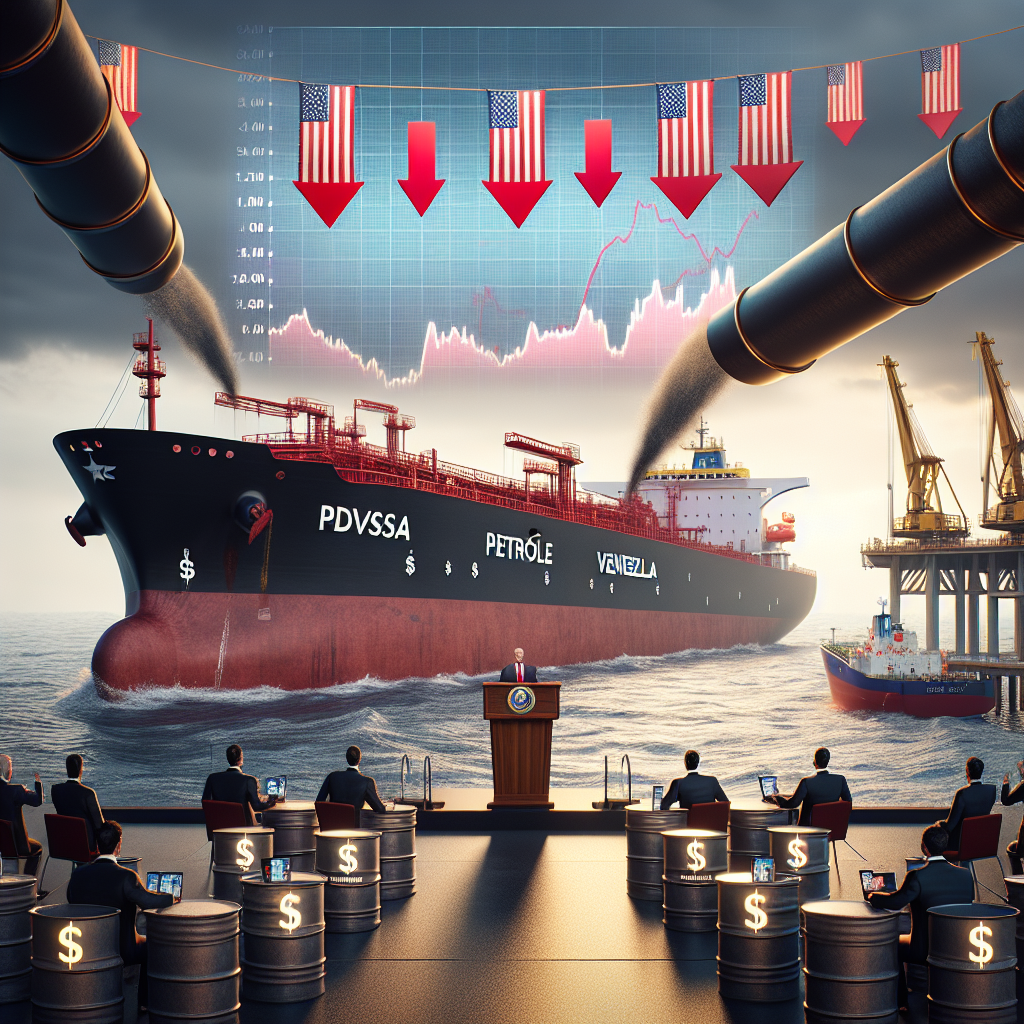
If you’ve noticed cheaper gas lately, you’re not imagining things. Oil prices recently took a dip thanks to a surprising announcement by former U.S. President Donald Trump. In a bold move, Trump revealed that Venezuela will be sending up to 50 million barrels of oil to the United States. This new supply agreement had an immediate effect on the global oil market, causing prices to slide.
But what does this mean for your wallet, the global economy, and the ongoing energy debate? Let’s unpack it all in simple, everyday terms.
So, What Exactly Happened?
Here’s the story in a nutshell:
During a speech, Trump confirmed that Venezuela, one of the world’s largest oil producers, will increase its oil exports to the U.S. by up to 50 million barrels. For investors and energy analysts, this was a big deal. The announcement sparked a sudden reaction in the market, pushing oil prices down.
You might be wondering, “Why would more oil from Venezuela cause prices to fall?”
Great question!
It all comes down to the basic rules of supply and demand. When there’s more oil available on the market, and demand stays roughly the same, prices drop. It’s like if apples suddenly flooded your grocery store — with more to go around, they wouldn’t cost as much.
What Are the Current Oil Prices?
Since the announcement:
- Brent Crude, the international oil benchmark, fell by over 2%.
- U.S. West Texas Intermediate (WTI) crude also dipped.
- Prices now hover closer to $72 per barrel — down from more than $75 just days earlier.
This might sound like small numbers, but when you multiply those changes across millions of barrels, it has a serious impact — especially on gas prices, transportation, and even goods you buy every day.
Why Is the U.S. Looking to Venezuela Now?
This might seem surprising, especially given the ongoing tensions between the U.S. and the Venezuelan government. So why the sudden partnership?
Over the past year, global oil markets have faced a lot of pressure. Between the war in Ukraine, sanctions on Russian oil, and fears of slowing economic growth, energy costs have been unstable. The U.S. wants to ease inflation and stabilize fuel prices, and boosting supply is one way to do that.
Venezuela has some of the largest oil reserves in the world, but due to international sanctions and years of underinvestment, its output has lagged behind. By striking a deal now, both countries benefit:
- The U.S. gets more oil to meet demand and ease prices.
- Venezuela gains revenue and a chance to reconnect with global markets.
It’s a classic win-win — at least on the surface.
How Could This Affect You?
Let’s bring this back to you — the average person trying to get through the week without breaking the bank.
Cheaper oil usually means lower gas prices. And that can touch many parts of your life:
- Your commute might cost less.
- Groceries and other goods could get cheaper as transportation costs fall.
- Airfare could drop slightly since jet fuel gets more affordable.
But like all things in energy markets, it’s not that simple. Global events — like conflicts, natural disasters, or economic shifts — can reverse trends quickly. So while this agreement may offer some short-term relief, it’s not a permanent fix.
Will This Change the U.S. Energy Strategy?
For years, the U.S. has been trying to reduce its dependence on foreign oil by investing more in domestic drilling and renewable energy. So why pivot to Venezuela now?
Think of it like keeping a “rainy day friend” — someone you don’t talk to much, but call when you’re in a pinch. Venezuela offers an immediate way to flood the market with oil, which calms price fears and cools inflation. That doesn’t mean the U.S. is giving up on cleaner energy. It’s just playing the short-term game while working toward long-term goals.
Energy isn’t black and white — it’s a balancing act. Governments often have to walk a fine line between climate commitments and economic pressures.
What Do Experts Say?
Economists and oil analysts responded quickly after Trump’s comments. Most agreed that while the market’s price dip was dramatic, it was expected.
“This was a supply shock — but not a negative one,” said one analyst. “It’s like turning on a faucet that’s been almost dry. Markets immediately react when there’s news of additional barrels hitting the system.”
However, some experts caution that geopolitical concerns haven’t vanished. “Working with Venezuela will likely face pushback at home,” another noted. “There’s more to this than just economics.”
Should We Expect Prices to Stay Low?
Here’s the million-dollar question: are these lower oil prices here to stay?
The honest answer? Probably not forever.
Markets are unpredictable. A new conflict, policy shift, or disaster could flip the script. But in the near term, this deal could offer some breathing room — especially with the rising cost of living affecting so many families.
As consumers, it’s good to stay informed but also remain flexible. Low gas prices can be a nice bonus, but they’re never guaranteed. Creating energy-efficient habits at home — like driving less or using smart thermostats — is a great long-term strategy no matter where oil prices go.
The Takeaway
To sum it all up:
- Oil prices dropped after Trump announced Venezuela will send up to 50 million barrels to the U.S.
- More oil on the market means lower prices, at least temporarily.
- This could lead to lower gas costs, cheaper goods, and somewhat steadier inflation.
- But it also raises questions about U.S. energy policy and long-term global partnerships.
In the end, one thing is certain: oil prices affect everyone — whether you’re filling up at the pump or buying groceries hauled across the country. Keeping an eye on global supply deals, like the one with Venezuela, can help you understand the bigger picture.
Let’s Hear from You
Are you seeing different gas prices in your city? Do you think the U.S. should rely on foreign oil, or focus more on renewables? Let’s talk in the comments below!
Staying informed helps all of us make better choices — for our wallets, and our world.