
Oil Prices Drop: What’s Behind the Dip and What It Means for You
If you’ve noticed talk of falling oil prices in the news lately and are wondering what’s going on, you’re not alone. On the surface, it might sound like just another financial headline. But the impact of lower oil prices can ripple into everything from gas station costs to grocery delivery fees. So, what’s causing this drop? And more importantly, what could it mean for your wallet?
US energy stocks rise
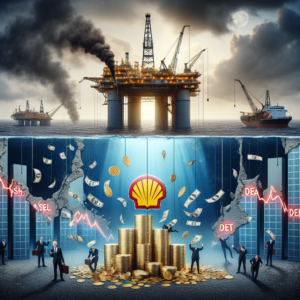
Chevron shares, which already has operations in Venezuela under a special licence granted by the Trump administration, rose 5% on Wall Street. Exxon Mobil gained 2.2%, while oilfield services firm Halliburton surged 7.8%. These advances helped lift the Dow Jones index past 49,000 for the first time, though it closed just below a fresh record high.
Oil prices also moved higher on Monday after rebounding from a brief dip. Brent crude, the global benchmark, climbed 1.5% to $61.76 a barrel, while West Texas Intermediate increased 1.4% to $58.32.
Venezuela now accounts for only around 1% of global oil production following years of underinvestment, US sanctions, and a naval blockade. Despite this, the country holds roughly 17% of the world’s proven crude oil reserves, according to the US Energy Information Administration.
Why Are Oil Prices Falling Right Now?
Oil prices recently took a dip, and it’s largely due to two key reasons:
- Venezuela is pumping out more oil than it has in years.
- Global economic growth is slowing down, meaning less demand for oil overall.
Let’s break these down so they make more sense.
Venezuela’s Comeback on the Oil Scene
For years, Venezuela, home to some of the world’s largest oil reserves—struggled to keep up production due to political and economic problems. But things have started to change. Thanks to more favorable U.S. sanctions and investment in oil equipment, they’re finally getting back on track. In fact, Venezuela’s oil production rose by 100,000 barrels a day in December alone. That might not seem like much globally, but in the world of oil, it counts.
Here’s why that matters: when more oil floods the market, prices tend to drop, especially if demand isn’t strong to begin with.
Economic Slowdown = Less Oil Needed
On the demand side, things aren’t looking great either. The global economy has been slowing, particularly in big energy-consuming countries like China and parts of Europe. With less manufacturing, travel, and shipping activity, countries are simply using less oil.
Think of it like this: if fewer people are buying airline tickets, planes fly less. Fewer flights mean less jet fuel is burned—and less demand for oil.
What Are Current Oil Prices?
As of the start of January 2026, the price of Brent crude oil (the international standard) is hovering around $76 a barrel. That’s a drop of about 12% over the past 12 months. The U.S. benchmark oil price, known as West Texas Intermediate (WTI), has also seen similar dips.
Now, these numbers might not mean much to most folks on a daily basis. But they can definitely influence how much you pay at the gas pump and even what you shell out for food delivery.
Why Should You Care About Oil Prices?
You might be thinking, “Ok, but how does this affect me?” Well, when oil prices drop, they tend to bring certain costs down with them. Here are just a few places you might notice the difference:
- Lower gas prices at the pump.
- Cheaper transportation costs- think rideshare services like Uber or Lyft.
- Reduced shipping fees for online shopping and groceries.
That said, it’s not always sunshine and savings. While cheaper oil can be great for consumers in the short term, it can hurt the economies of big oil-producing countries, especially those that rely heavily on oil revenues—like Venezuela, Russia, and some Middle Eastern nations.
Who Benefits Most From Falling Oil Prices?
The answer depends on where you live and what your economy looks like.
- If you’re in a country that imports a lot of oil, like the U.S. or Japan, lower prices are generally a good thing.
- If you’re in a country that produces and exports a lot of oil, these price drops can spell trouble. Less revenue can lead to budget cuts and even job losses in those industries.
And for everyday consumers, the savings from gas prices can eventually trickle down into other areas—everything from airfare to food prices. But the flip side? If the oil industry struggles too much, it can also affect jobs and investment in regions dependent on it, such as Texas or Alberta in Canada.
What Happens Next?
Oil prices are famously unpredictable. But here are a few things that could influence what happens over the next few months:
- Whether Venezuela continues increasing its oil production.
- How global economies, from China to Europe, perform over time.
- What decisions OPEC (the organization of oil-producing countries) makes about future output.
Right now, OPEC has actually cut its oil output to try to keep prices stable. But with countries like Venezuela (and possibly even Iran) finding ways to work around limits, the group’s influence is a bit weaker than it used to be.
Personal Take: I Remember $2 Gas
Growing up, I vividly remember when gas dropped to below $2 a gallon in my town. It was during an earlier oil slump. Everyone was thrilled, commutes cost less, summer road trips felt more affordable, and suddenly your money stretched just a little further. It might not seem like a life-changing thing, but when you’re living paycheck to paycheck, those small savings can add up fast.
So yeah, watching oil prices drop again makes me wonder, will we see those kinds of prices again? Probably not that low. But a few cents off per gallon? That’s possible, and for a lot of families, even that helps.
Final Thoughts: What This Means for Your Budget
Whether you’re driving to work, ordering groceries online, or flying to visit relatives, the price of oil touches nearly every part of your life. And right now, with increased supply from Venezuela and a sluggish global economy, oil prices have started to drift downward.
Here’s the bottom line: if trends continue, you could start seeing a bit more breathing room in your monthly spending, especially when it comes to fuel and transportation.
But remember, the oil market is a global balancing act. What drops today might rise tomorrow based on new developments, everything from geopolitical tensions to natural disasters can throw a wrench in the system.
So What Can You Do?
If you’re hoping to take advantage of low oil prices, consider:
- Filling up your gas tank more frequently if prices start dipping near you.
- Watching airfare deals—airlines often pass savings down (eventually).
- Budgeting for other increases in areas where prices aren’t falling—especially food and housing.
For now, let’s all enjoy a little relief at the pump—and keep an eye on what comes next in the ever-winding road of energy and economics.
What about you? Have you noticed lower gas prices in your area? Are you changing your driving habits because of it? Let me know in the comments!