
Santander to Shut Branches and Cut Jobs After TSB Takeover: What It Means for UK Customers
In a major shake-up in UK banking, Santander has announced plans to close dozens of branches and cut thousands of jobs following its recent takeover of TSB. If you’re a TSB or Santander customer or just someone who banks on the high street this news could affect you more than you think.
Let’s break down what’s happening, why it matters, and what you can expect in the months ahead.
What’s Going On?
Last Year, Santander agreed to acquire TSB from Banco Sabadell in an all-cash deal valued at £2.65 billion, announced in July 2025. The takeover, expected to complete in early 2026, will merge TSB into Santander UK, creating the third-largest bank in the UK by personal current accounts.While the move was positioned as a way to strengthen the bank’s UK presence, many employees and customers are now facing uncertainty.
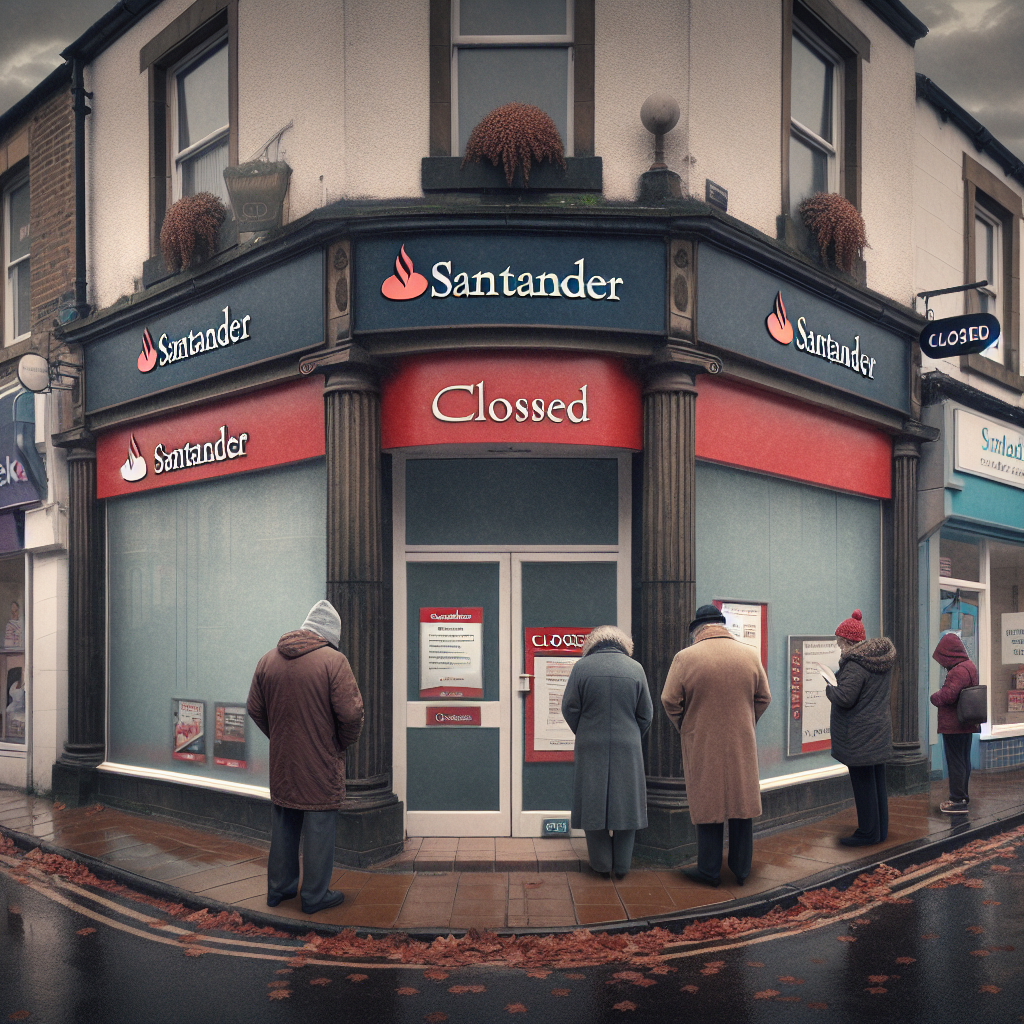
The bank has announced that it will close approximately 140 branches by the end of 2026 and may cut up to 3,000 jobs as part of the restructuring efforts.
Why Are So Many Branches Closing?
There’s a clear trend happening right now: more and more people prefer to handle their finances online. If you pay your bills, check your account, or transfer money using your smartphone, you’re not alone.
Because of this shift in behavior, banks are putting more focus on digital services and trimming down their physical presence.
In fact, Santander pointed out that over 90% of their transactions now happen online or through mobile banking. So, they’re scaling back on branches that just aren’t seeing enough foot traffic anymore.
Who’s Affected the Most?
If you live in a rural area or rely heavily on visiting your local branch, this news might be frustrating. Some of the communities affected include:
- Small towns with only one branch
- Senior citizens who aren’t comfortable banking online
- Bank employees facing job losses or relocation
One Santander customer in Lincolnshire shared, “My parents don’t use smartphones. They still visit the bank every month to check on their pension and savings. They’re worried there won’t be anyone to help them soon.”
How Many Jobs Are at Risk?
The merger is expected to lead to the elimination of about 3,000 roles across both banks. Santander has said they will explore every option to avoid compulsory redundancies. This might include:
- Retraining staff for digital roles
- Offering early retirement packages
- Moving employees to branches that are staying open
But not all employees will be in a position to relocate or switch roles, leaving many wondering what their future holds.
What Does This Mean for TSB Customers?
Although things are still unfolding, existing TSB customers may notice some changes in the coming months, including:
- Branch rebranding (from TSB to Santander)
- Changes to online banking platforms
- Updates to account terms and conditions
However, Santander has promised that customers will be notified well in advance of any major changes. That said, it’s a good idea to keep an eye on your inbox or in-app messages.
Have Similar Mergers Happened Before?
Yes! This isn’t the first time a big bank buyout has caused a stir. Back in 2010, Santander took over parts of Alliance & Leicester and Bradford & Bingley. Those transitions also led to branch closures and job cuts but they were handled over time.
The current TSB merger, however, comes at a time when the banking sector is completely different more digital, more competitive, and more focused on technology than ever before.
What’s Sparking the Digital Shift?
The truth is, it’s not just Santander making these moves. Multiple UK banks have been scaling back their physical locations in recent years. Here’s why:
- Mobile banking is fast, easy, and available 24/7
- Fewer people visit branches now than ever before
- Running physical locations is expensive
Sound familiar? It’s a similar story across various industries from retail to public services where the digital world is becoming the new normal.
What Can You Do as a Bank Customer?
If your local branch is closing or your bank is changing hands, don’t panic. Here are a few smart steps you can take:
- Stay updated: Check emails and messages from your bank regularly.
- Download your bank’s mobile app: It’s the easiest way to manage your money.
- Visit a nearby branch: Ask questions and get help setting up digital banking.
- Look into digital tutorials: Many banks offer beginner-friendly guides to help you go online.
And if you’re not comfortable with online banking, don’t be afraid to ask for help from family, friends, or your bank’s support lines. They’re there for a reason.
Will This Affect My Money?
There’s no need to worry about your money disappearing. Your account, your funds, and all security protocols will stay intact during the transition.
Still, it’s wise to keep records of your account details, print important statements, and make sure your contact information is up to date. That way, you won’t miss any critical updates or changes.
So, What’s Next?
As Santander continues its integration of TSB, the next couple of years will involve a lot of change and with it, some growing pains.
We’ll likely see:
- More updates to branch networks
- Expanded digital services
- Efforts to support those affected by job losses
While this transition might feel like the end of an era for high street banking, it also opens the door to a more accessible and flexible future for handling our money with convenience at our fingertips.
Final Thoughts
Banking is changing, and fast. Though it’s tough to see local branches close and even tougher for the employees affected the shift to digital is here to stay.
Have questions about branch closures or banking changes? Drop them in the comments—we’re here to help!