
Why Shell Is Taking On More Debt While Paying Out Big to Shareholders
Big Payouts and Bigger Borrowing: What’s Going On with Shell?
If you’ve filled up your gas tank recently, you’ve probably noticed how much prices have gone up. That’s no coincidence and big oil companies like Shell are seeing massive profits from these rising oil prices. But here’s something you might not expect: even though Shell is making a ton of money, it’s also piling on more debt.
So why would a global oil giant borrow billions just when business is booming? That’s what we’re here to break down. In this post, we’ll explain Shell’s recent business moves in simple terms and explore what it all means for the economy, the environment, and even you.
Shell Is Making Big Money So Why the Debt?
Shell is one of the world’s largest oil and gas companies. Thanks to higher oil prices, the company has been pulling in impressive profits. But instead of saving that extra cash or investing it in future energy projects, Shell has been using it to deliver record-high payouts to shareholders.
How high are we talking?
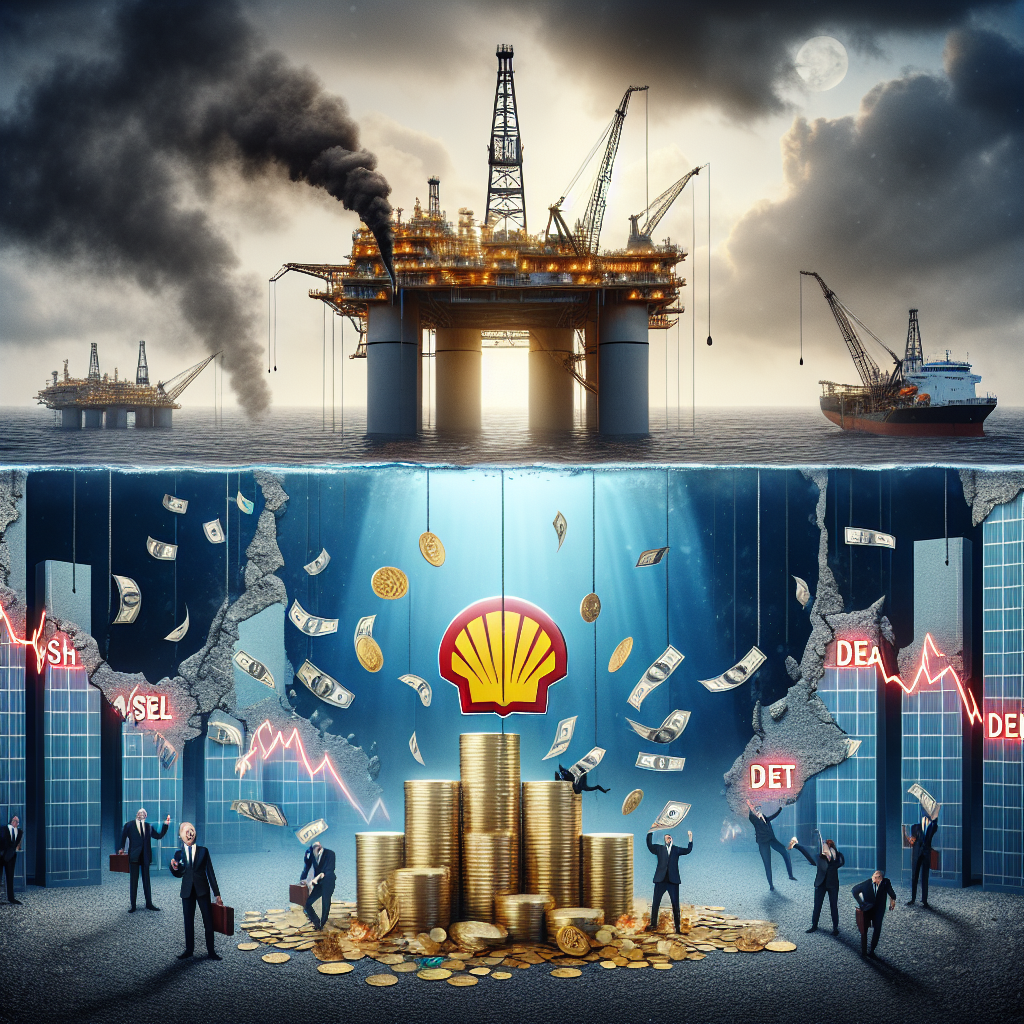
Shell handed out a whopping $23 billion to shareholders just last year. That’s a mix of dividends (basically profit-sharing with stockholders) and stock buybacks (where a company buys its own shares, boosting their value).
But here’s the kicker: Shell didn’t fund these payouts entirely from its profits.
Borrowing to Reward Investors
Rather than relying solely on earnings, Shell increased its debt to help pay for these shareholder rewards. In fact, Shell’s net debt rose to more than $50 billion the highest it’s been in over two years.
Why would a company put itself in deeper debt during good times? The answer lies in keeping investors happy. By offering generous returns to shareholders, Shell maintains its stock value and investor confidence. In the short term, that strategy works. But over the long term? That’s where things get complicated.
Understanding Shell’s Debt Strategy
You might be thinking: Isn’t borrowing money while making profits kind of like getting a loan when you already have cash in your pocket?
Yes except imagine you’re using that loan to throw a party for your friends to make sure they stick around. That’s basically what Shell’s doing. It’s using some of its profits and some borrowed money to keep shareholders happy.
This is a bit of a gamble. If oil prices stay high, Shell can likely handle the extra debt and keep paying shareholders. But if prices fall? The company could struggle to repay what it owes.
Shell defended its decision, saying it wants to “optimize capital structure.” In other words, they believe taking on a bit more debt now can deliver bigger benefits later.
What Does This Mean for the Rest of Us?
You might be wondering why you should care about an oil company’s financial strategy. Fair question. But Shell’s decisions can have ripple effects that reach us all.
Here’s how:
- Gas prices and household budgets: If Shell and similar companies prioritize profits over reinvestment, we may not see much relief at the pump anytime soon.
- Energy transition delays: Money spent on shareholder buybacks isn’t going into renewable projects or cleaner energy alternatives. This slows the shift toward being more environmentally friendly.
- Stock market influence: Many retirement funds and pensions invest in companies like Shell. That means strong shareholder returns might benefit some people’s savings—at least for now.
The Climate Angle
Shell has made public promises to move toward cleaner energy and reduce its carbon footprint over time. But CEO Wael Sawan has signaled a shift in focus, back toward its oil and gas business.
With less money going into green projects and more toward keeping investors happy, some critics are calling Shell’s climate ambitions into question. It’s a bit like saying you want to eat healthy but continuing to spend all your money on fast food.
The Bigger Picture: Oil Prices, Politics, and the Push for Profits
One key reason Shell made so much money in the first place is because oil prices have climbed sharply. Global events, wars, economic shifts, and supply limits can all affect prices like this.
As a result:
- Companies like Shell make more profit on each barrel of oil.
- Shareholders expect higher payouts based on these profits.
- Pressure builds on oil firms to keep delivering sometimes at the cost of sustainability.
It’s a cycle that’s hard to break. And as long as oil remains a booming business, companies may continue prioritizing short-term gains over long-term goals.
So, Is Shell Doing the Right Thing?
That depends on whom you ask.
From a business standpoint, Shell is playing a smart short-term game. Profits are strong, and they’re keeping investors on board during uncertain times.
But from an environmental and economic point of view, borrowing to fund record payouts may not be the wisest move. Critics argue that Shell should be investing more in future energy and less in rewarding shareholders today.
At the end of the day, Shell’s strategy reflects a tough balancing act: keeping investors happy, managing debt, and living up to climate promises. So far, they’ve prioritized the first two.
What Could Happen Next?
Looking ahead, a few things could shake up this strategy:
- Falling oil prices: If oil demand drops or supply increases, Shell’s profits could shrink—making debt-handling harder.
- Regulatory pressure: Governments may step in with climate policies or taxes that force oil companies to shift focus.
- Public opinion: Consumers and investors are paying more attention to how companies tackle climate issues. That pressure could push Shell to refocus.
Shell’s future will likely depend on how these factors play out—and whether the company can balance short-term gain with long-term responsibility.
Final Thoughts: What Can We Take Away?
Shell’s recent decisions give us a peek into the world of oil economics, where profits, politics, and public opinion collide. While they’re making big money today, the choice to borrow even more to reward shareholders is a high-stakes move.
Whether this gamble pays off will depend on oil markets, environmental action, and the company’s next steps. But one thing is clear: how Shell plays its cards could shape energy and the planet for years to come.
Want to Stay Informed?
If topics like oil prices, climate change, and big business moves interest you, consider subscribing to our blog. We break down complex news stories into bite-sized, easy-to-understand posts so you stay in the know without the jargon.
Let’s Talk!
What do you think about Shell’s strategy? Is taking on more debt to pay shareholders a smart move or short-sighted thinking? Drop your thoughts in the comments below. We’d love to hear from you.