
Trump Looks to Venezuela’s Oil Industry: What It Could Mean for the U.S. and the World
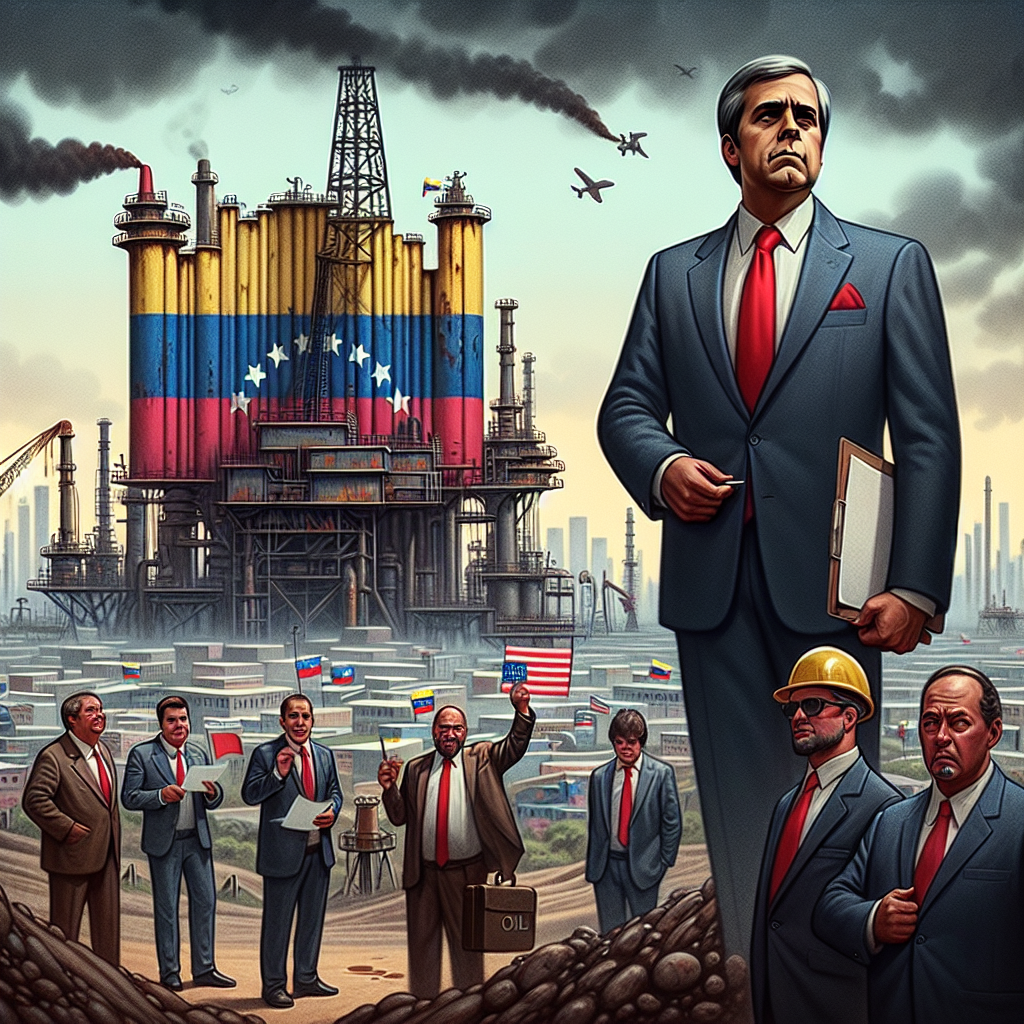
In a surprising twist, former President Donald Trump is reportedly exploring closer ties with Venezuela’s oil industry if he returns to office in 2025. While the two countries have had a rocky relationship in recent years, whispers of a shift in U.S. energy strategy suggest that Venezuela’s oil could once again play a role in fueling America’s economic engine.
So, what does this possible pivot mean for the oil industry, global politics, and everyday people like you and me? Let’s break it down in simple terms.
Why Venezuela’s Oil Suddenly Matters Again
Venezuela has the world’s largest proven oil reserves — yes, even more than Saudi Arabia. But for years, U.S. sanctions and strained diplomatic ties have kept that oil out of American markets. Meanwhile, the U.S. has relied more heavily on domestic shale production, as well as imports from countries like Canada and Saudi Arabia.
Now, with global energy markets facing uncertainty and volatility — especially after the Russia-Ukraine conflict disrupted supply chains — countries are reevaluating where their oil comes from. That includes the U.S.
What Changed?
Trump, never one to shy away from controversy, has hinted that if elected again, he might reshape America’s energy policy. This could include lifting sanctions on Venezuela’s oil sector — a move many believed unlikely just a few years ago.
Why the change of heart? It seems like energy security is taking priority over political ideology. As Trump eyes rising gas prices and a volatile oil market, tapping into Venezuela’s vast reserves might feel like a quick fix to ease domestic pressures.
But Wait — Wasn’t Trump Against Venezuela Before?
Good question. During his time in the White House, Trump cracked down hard on Venezuela, calling President Nicolás Maduro a “dictator” and imposing harsh sanctions. These measures, backed by both Democrats and Republicans, were meant to pressure Venezuela into holding democratic elections and ending human rights abuses.
But now, there’s talk that Trump could ease those sanctions if it means gaining access to cheap oil. It’s a complex trade-off: political values versus energy needs.
What Could This Mean for the U.S. Economy?
If sanctions are lifted, American oil companies could potentially return to Venezuela. That might help stabilize global oil prices and bring some relief at the gas pump. For consumers frustrated by rising fuel costs, that could sound like good news.
Here are a few potential benefits:
- Lower gas prices: More oil supply usually helps bring down cost.
- Stronger energy independence: Reducing reliance on oil from other countries facing restrictions or conflict.
- New investment opportunities: U.S. energy companies could profit from restoring old infrastructure and drilling operations.
However, there are also risks:
- Political backlash: Many see partnering with Maduro’s government as rewarding bad behavior.
- Environmental concerns: Venezuela’s oil fields have been neglected for years, raising questions about safety and sustainability.
How Are Venezuelans Reacting?
Inside Venezuela, the idea of thawing relations with the U.S. is being met with both hope and skepticism. Some see it as a sign that better days could be ahead, especially if oil exports bring more income into the country. Others worry that political reform will be put on the backburner in favor of economic gain.
The Bigger Picture: Global Energy Politics
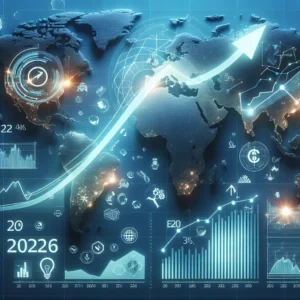
This story isn’t just about the U.S. and Venezuela — it’s about how countries around the world are adapting to a new energy reality. From supply disruptions due to war to growing climate concerns, energy strategy is becoming one of the hottest topics on the global stage.
More countries are moving toward renewables like solar and wind, but the transition isn’t happening overnight. So, fossil fuels — especially oil — still play a major role in economic stability. In that context, Trump’s rumored interest in Venezuela makes more sense, even if it creates some political whiplash.
Is This a Step Forward or a Step Back?
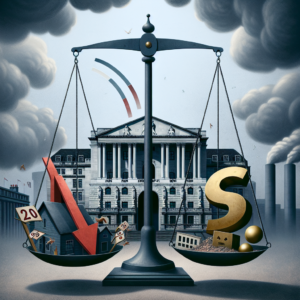
It’s hard to say. On one hand, buying Venezuelan oil could help stabilize prices and reduce pressure on American wallets. On the other, teaming up with an authoritarian regime without demanding accountability could undo years of diplomatic efforts for democracy in the region.
What’s clear is that energy isn’t just an economic issue; it’s also a moral and political one. And people across the political spectrum are going to have strong opinions about where America gets its oil — and who we partner with to get it.
What Happens Next?
Whether or not Trump returns to office, the spotlight is now firmly on Venezuela’s oil. Other candidates — as well as current leaders — may have to address how they’d handle the issue. Will the U.S. stand by its ideals, or will it follow its wallet?
For now, it’s a waiting game. But the conversation Trump has started could shape American energy policy for years to come.
Final Thoughts
In a world where gas prices, climate change, and international relations are all deeply connected, the debate over Venezuela’s oil isn’t just about barrels and pipelines — it’s about values, visions, and the kind of future we want to build.
What do you think: Should the U.S. rekindle its relationship with Venezuela for the sake of cheaper oil, or should it continue to prioritize democracy and human rights, no matter the cost? There’s no easy answer — but it’s a question worth asking.
Stay tuned — this story is just getting started, and how it unfolds could affect everything from your next trip to the gas pump to the world’s balance of power.