
Did Trump Really Want to Buy Greenland Again? Here’s What We Know
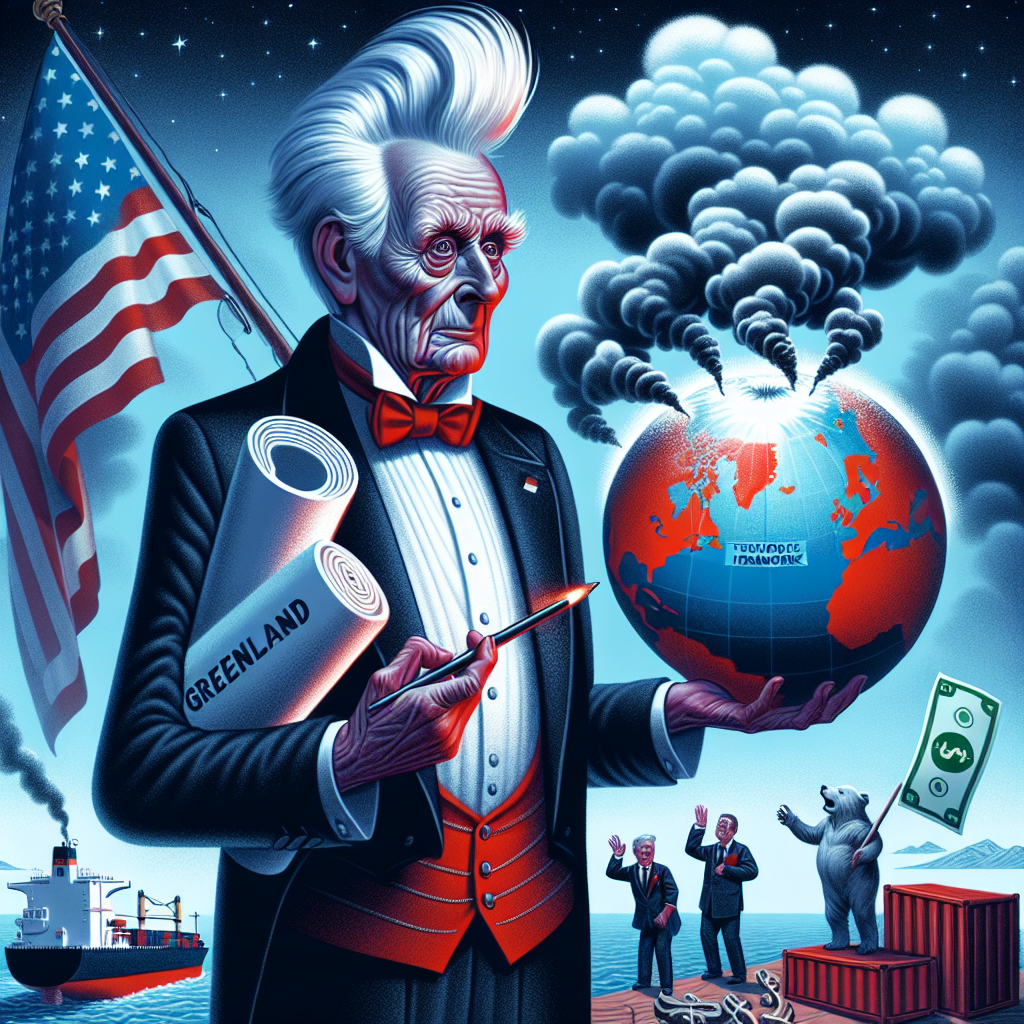
In a political story that sounds more like a Hollywood script than real life, former U.S. President Donald Trump reportedly revived his interest in buying Greenland as part of a bigger trade strategy. That’s right — Greenland. The world’s largest island, mostly covered in ice, once again found itself in the middle of international headlines. But this wasn’t just about land. According to a recent report, the proposal was tied to tariff threats and behind-the-scenes diplomatic maneuvering.
So, what’s really going on here? Let’s break it down.
The Greenland Proposal: Not Just a Joke
Back in 2019, while serving as President, Donald Trump floated the idea of the United States purchasing Greenland from Denmark. At the time, people thought he was joking, even late-night TV talk shows made fun of the idea. But Trump was serious then, and it appears he maintained that interest well into 2026.
According to a recent investigative report, Trump’s team developed a formal “framework” for acquiring Greenland and even tied it to ongoing U.S. tariff talks with the European Union. This wasn’t a whimsical idea. It was thought out, documented, and raised behind closed doors with foreign diplomats.
Why Greenland?
You might be wondering, why in the world would anyone want to buy Greenland? It’s cold, remote, and sparsely populated. But here’s the thing: Greenland is rich in natural resources like rare earth minerals, oil, and gas. Plus, it’s strategically important from a military standpoint. It sits between North America and Europe and has long been considered a key location for defense and intelligence operations.
In short, owning Greenland might not be about the ice but about what’s underneath it and where it is on the map.
Tying It All to Trade: The Tariff Threat Angle
As part of his “America First” strategy, President Trump frequently used tariffs (taxes on imported goods) to pressure other countries into trade agreements. While this brought China into the ring, Europe wasn’t far behind.
The report revealed that during negotiations with the European Union, Trump’s team raised the Greenland idea. Apparently, they told European leaders that lowering tariffs might come easier if Denmark, a member of the EU, was open to discussing a transfer or long-term lease of Greenland.
In simple terms: The U.S. was ready to turn up the heat on EU trade tariffs, unless Denmark was willing to “talk Greenland.”
Does That Sound Like a Political Bargain?
It’s certainly unusual. Experts have called this an unconventional and possibly troubling approach to foreign policy. Using trade threats as a bargaining chip for territorial acquisition is not something we see often in modern democracies.
Some called the tactic clever, others called it coercive. Either way, it raised diplomatic eyebrows across Europe.
Denmark’s Response: A Firm and Polite “No”
Unsurprisingly, Denmark didn’t entertain the idea then and certainly wasn’t ready to conduct such talks amid trade tensions. Leaders there saw Greenland not as a property to be “sold” but as an autonomous territory with its own government. Greenland’s government also rejected the idea outright, asserting its self-rule and sovereignty.
It’s worth noting: Greenland isn’t fully independent but it does govern itself in most areas, including natural resources and local policy. Denmark handles defense and foreign relations, but even it can’t just “sell” Greenland without Greenlanders agreeing to it.
Was This Legal? Was It Serious?
Some former Trump aides who were interviewed for the report said the proposal was treated seriously inside the administration. A legal memo was apparently even drawn up to outline ways the U.S. could lease or acquire Greenland over time.
But here’s the twist: The whole thing was kept mostly off-the-radar from the public and from many in the government. That means there was no official debate or transparency until now.
It’s Not the First Time the U.S. Looked at Greenland
Trump isn’t the only American leader to eye Greenland. The U.S. has shown interest in the island for decades. Way back in 1946, President Harry Truman offered Denmark $100 million in gold to buy it. That offer was also declined.
Today, the U.S. still maintains a military base there, Thule Air Base, and continues to recognise its strategic value.
What Does This Say About Foreign Policy Today?
Many political analysts see the “Greenland deal” idea as a reflection of how Trump approached international affairs through deal-making language, economic pressure, and transactional thinking.
He often saw foreign relationships through the lens of business, not traditional diplomacy. This was seen both as a strength and a liability, depending on who you ask. But what’s clear is that this approach marked a sharp break from how most presidents operated before him.
Would Greenland Ever Join the U.S.?
Highly unlikely. Greenland’s leaders have consistently expressed interest in greater autonomy from Denmark, not a shift toward U.S. ownership. Many Greenlanders identify strongly with their Inuit culture and local traditions. A political merger with the U.S. isn’t really on the table.
In fact, the renewed attention may have only strengthened Greenland’s resolve to one day achieve full independence not switch oversight from one outside power to another.
Final Thoughts
This story is a reminder that, in politics, some ideas never fully disappear even the ones that sound strange. Whether it was a serious push or a diplomatic flex, the fact that Trump’s team tied tariff pressure to bringing Greenland into the U.S. sphere is eye-opening.
As the world continues to shift, these kinds of international moves, blending business deals, politics, and power plays will likely continue. And stories like this one help us understand the stakes a little better.
What Do You Think?
Would you ever have guessed that Greenland could play a role in major U.S. trade policy? Does this sound like smart deal-making or a step too far?
Share your thoughts in the comments below. And don’t forget to subscribe for more global political insights made simple.