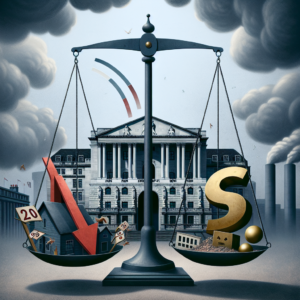


UK Economy Grows Ahead of Rachel Reeves’ First Budget — Here’s What That Means for You
The UK economy just got a small but significant boost—and it’s come at a time when all eyes are on Chancellor Rachel Reeves’ upcoming budget. But what does this recent economic growth really mean? And why should everyday people like you and me care?
Let’s break it all down in simple terms.
What’s Happening With the UK Economy Right Now?
According to the Office for National Statistics (ONS), the UK’s economy saw some growth in the final months of 2025. Gross Domestic Product (GDP) which is basically the scorecard of our economy went up by a modest 0.3% in the fourth quarter.
This means businesses are producing more goods and services, and overall economic activity is picking up. Think of it like a slow car that’s finally shifting out of first gear.
Why Is This Important?
This growth isn’t huge, but it’s good news after months of economic uncertainty. It also gives Chancellor Reeves a slightly bigger cushion as she prepares to deliver her budget, a financial plan that will affect everything from schools and hospitals to taxes and social welfare.
What’s Fueling This Economic Turnaround?
A few factors helped nudge the economy in a better direction:
- Warmer weather led to more construction work: Construction output grew strongly, especially in infrastructure projects and housebuilding. Builders were busier, cranes started spinning, and new homes went up.
- Stronger performance in services: The service sector (which includes everything from shops and restaurants to banks and IT firms) held steady, helping to stabilize the economy.
- Energetic labor market: Employment remained steady, and people’s wages started to outpace inflation, at least a little, giving consumers just a bit more spending power.
All these factors combined gave the economy some much-needed momentum heading into the new year.
What Does This Mean for Rachel Reeves’ Budget?
With this slight economic boost, Reeves may have a little more wiggle room to shape policies that support households and boost growth, but don’t expect a spending spree.
Despite this growth, the UK’s financial situation is still pretty tight. The public purse, so to speak, isn’t overflowing with extra cash.
In early statements, Reeves has made it clear: she wants to take a “careful and responsible” approach to public finances. That means:
- No big tax cuts (at least not yet)
- Targeted investments in areas like energy, housing, and infrastructure
- Encouraging private sector growth to power long-term economic health
In Her Own Words
Reeves recently said that Britain needs a new economic path, one powered by investment and productivity, not by cuts and austerity. In other words, she doesn’t just want a quick fix. She wants a plan that lasts.
And with growing global competition, climate challenges, and rising costs, it’s no small task.
Wait, Isn’t 0.3% Growth Pretty Small?
It might not sound like much, and honestly, it’s not. But after previously sluggish quarters, even small growth can feel like a breath of fresh air.
Imagine your car’s been stuck in traffic for hours. Even moving a few meters feels like progress compared to standing still. That’s kind of where the economy is right now.
That said, economic growth alone doesn’t mean everyone feels better off right away. Rising costs, high energy bills, and housing pressures are still part of everyday life for most people.
Will This Growth Impact Me?
Great question. Here’s how this could potentially affect you down the line:
- Jobs and wages: A growing economy can lead to more jobs or pay raises over time. When businesses grow, they often hire and invest more.
- Public services: If the economy shows steady momentum, it could help the government invest more in schools, hospitals, and transport—though likely not immediately.
- Taxes: If economic growth keeps improving, there’s a chance future budgets could offer tax relief. But that’s a big “if.”
For now, day-to-day changes might be minimal, but economic stability is a foundation for future improvements.
The Bigger Picture: UK’s Long-Term Economic Health
While this recent growth is a welcome headline, the UK still has work to do. Experts say we’re not out of the woods yet.
Compared with other major economies, the UK’s recovery has been slower since the pandemic. Productivity—how much we produce per hour we work, has also been lagging behind other countries.
Can the New Government Change Course?
Reeves believes it can. Her administration is focusing on long-term investment in things like:
- Green energy and infrastructure
- Skills and education
- Modern industries like tech and AI
The hope is that by focusing on the future rather than short-term fixes, the UK can build a more resilient and competitive economy.
So, What Should You Watch For?
As Reeves prepares to announce her budget, here are a few things to keep an eye on:
- How much is spent on infrastructure and green energy?
- Are there measures to help with housing and rent?
- Does the budget support small businesses and job creation?
Whether or not you closely follow politics or economics, these choices eventually impact your wallet, your job, and the services you use.
Final Thoughts: A Turning Point Or Just a Blip?
This latest growth report is a hopeful sign that the UK economy is starting to move in the right direction. But as with any recovery, it’s early days. There’s a long road ahead, and much depends on smart decisions, global conditions, and consumer confidence.
Rachel Reeves’ budget will be a key moment to see if this government can lay solid foundations for lasting improvement or if further bumps lie ahead.
So, will this growth be the start of a stronger, fairer UK economy? Time will tell but for now, cautious optimism is better than none at all.
Want to stay ahead of the headlines and understand how the UK economy affects your daily life?
Subscribe to our newsletter for weekly insights, no jargon, no fluff, just the facts you can use.