
Is the UK Relying Too Much on China for Energy? Here’s Why It Matters
Imagine building the future of UK energy wind turbines, nuclear projects, battery storage and then realizing we’re missing a critical ingredient: supply chain security. That’s the challenge the UK is facing today as experts warn about our growing over-reliance on China for key materials in the energy sector. This issue isn’t just about politics or trade, it could put thousands of British jobs at risk and slow down the country’s clean energy goals.
What’s Happening: A Growing Dependence on China
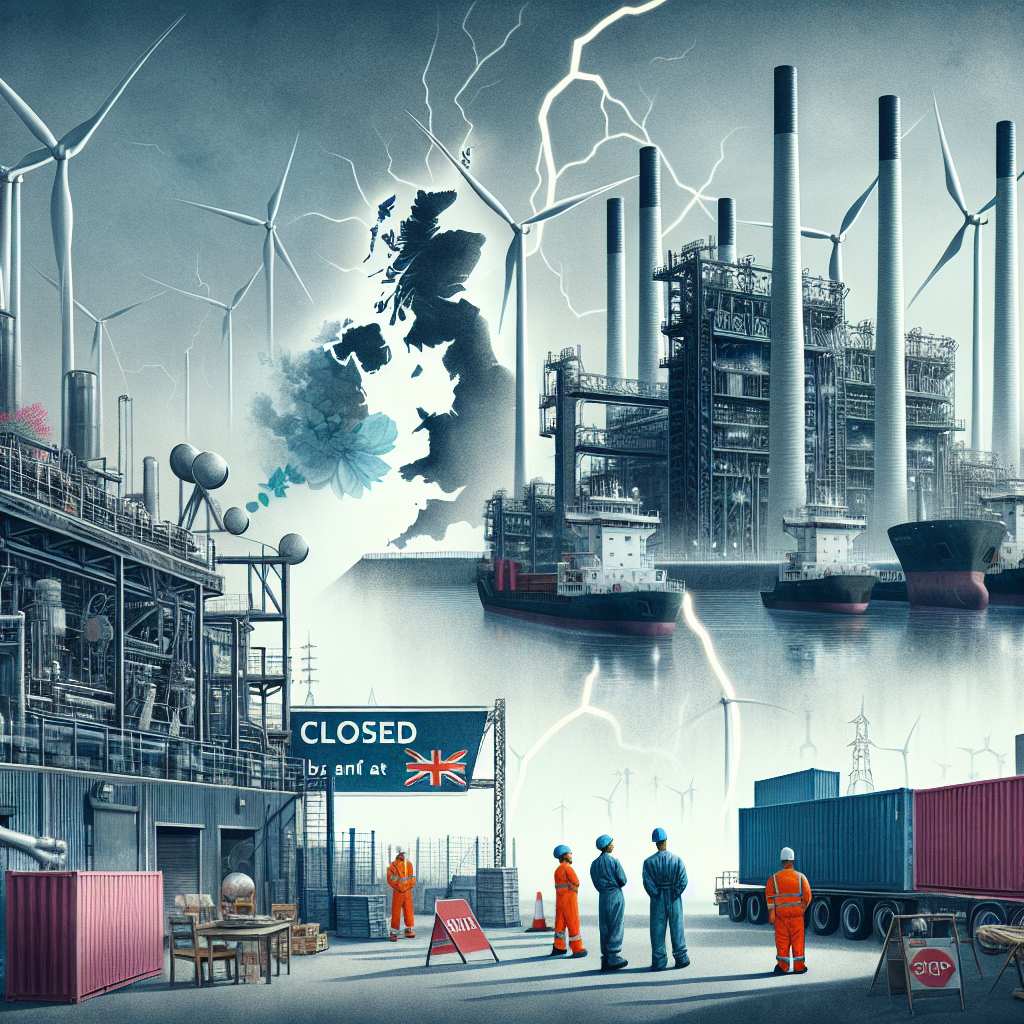
Right now, the UK energy sector relies heavily on China for rare earth minerals, solar panels, and key components used in wind and nuclear energy projects. While global trade is a natural part of doing business, it becomes risky when you put too many eggs in one basket especially when that basket is 5,000 miles away and increasingly involved in geopolitical tensions.
In fact, a recent report warns that around 9,000 UK energy jobs could be at risk due to potential disruptions in Chinese supply chains. That’s not a small number. Think of the communities that rely on these jobs, families, local economies, and even future innovations. It’s more than just numbers on paper; it’s real people whose livelihoods hang in the balance.
Why This Is a Big Deal for the UK Energy Sector
The UK has ambitious plans to reach net-zero emissions by 2050. To get there, we need to upgrade our energy infrastructure from offshore wind farms to advanced nuclear power plants. But here’s the catch: many of the technologies needed to achieve those goals depend on materials that the UK currently imports from China.
This dependence makes the UK’s energy transition vulnerable. If there are shipping delays, political conflicts, or trade restrictions, entire projects could slow down or stall. Imagine constructing a wind farm but not having the magnets needed for the turbines. Or halting a battery storage project because the lithium isn’t arriving on time. These delays could cost companies millions and cost workers their jobs.
Quick Breakdown: What Materials Are We Talking About?
Here are some of the critical energy components sourced from China:
- Rare earth elements (REEs) – used in wind turbines and electric vehicles
- Lithium – essential for battery storage
- Solar panels – China produces over 80% of the world’s supply
- Nuclear reactor parts – crucial for next-gen reactors in the UK
What Could Happen If Supplies Run Dry?
Let’s say there’s a global disruption—perhaps tensions rise over Taiwan, or China limits exports in response to global sanctions. The impact on the UK could be immediate and widespread:
- Delays in green energy projects like wind farms and solar installations
- Rising manufacturing costs due to supply shortages
- Threats to job security across the UK energy sector
- Lower investor confidence in future energy ventures
And it’s not just the private sector that would suffer. The government’s clean energy targets would be harder to meet, putting climate goals and the UK’s energy independence at risk.
Real People, Real Impact
Let’s not forget behind every energy job is a person. Take Sarah, for example, a technician working on a wind farm in Yorkshire. She’s part of a growing green economy, proud to be part of the solution to climate change. But if the wind turbine company she works for can’t get the necessary parts from China, her job and hundreds like it could be in jeopardy.
Or picture Tom, a recent engineering graduate hoping to work in the UK’s booming nuclear sector. Without steady access to specialized components, entire training programs and projects could be delayed, limiting opportunities for the next generation of workers.
Is There a Way Forward?
Yes and this is where the UK can get strategic. To build a more secure energy future, experts are encouraging the government to:
- Invest in domestic manufacturing of key energy components
- Diversify suppliers by partnering with countries like Canada, Australia, and Norway
- Boost research and development for alternative materials and new technology
- Strengthen recycling and reuse of critical minerals from old equipment
This isn’t just a policy issue it’s a national priority. By taking proactive steps now, the UK can protect an estimated 9,000 jobs, keep major projects on track, and maintain momentum toward clean, sustainable energy.
Why Should You Care?
You might be wondering, “What does this have to do with me?” Well, quite a lot actually. If you care about job stability, climate change, or simply keeping your energy bills in check down the line this matters.
Energy isn’t just about power plants and wind turbines. It’s about:
- Reliable electricity for your home or business
- Future-proof jobs in a growing green economy
- National security in an uncertain global landscape
- Lower carbon emissions and a cleaner environment
Plus, with the world moving towards cleaner energy, establishing strong and reliable supply chains now will make the UK a leader, not a follower. Think of it like planting seeds today so you can harvest tomorrow—only this time, it’s the future of our energy on the line.
Looking Ahead
The UK has an incredible opportunity to shape its energy future. But to do that, we need to look beyond just technological ambition and think about the bigger picture: supply chains, international partnerships, and planning for uncertainty.
The clock is ticking. If we want to reach net-zero goals, keep thousands of jobs safe, and power our homes without a hitch, then it’s time to build energy systems that are not only smart but also resilient.
Let’s make sure that when we flip the light switch in 2050, we’re doing it with confidence—knowing the UK got it right, from raw materials to renewable power.
Final Thoughts
Building a cleaner, greener UK starts with making smart choices today. Reducing our reliance on China for energy supplies isn’t about being anti-global—it’s about ensuring long-term security for industries, workers, and families across the country.
So, what can you do?
- Stay informed about where your energy comes from
- Support sustainable policies and innovation
- Share this story to raise awareness
The more we talk about it, the better equipped we’ll be to make the changes that matter. Because when it comes to energy, we’re all connected—and our future depends on getting it right, together.