
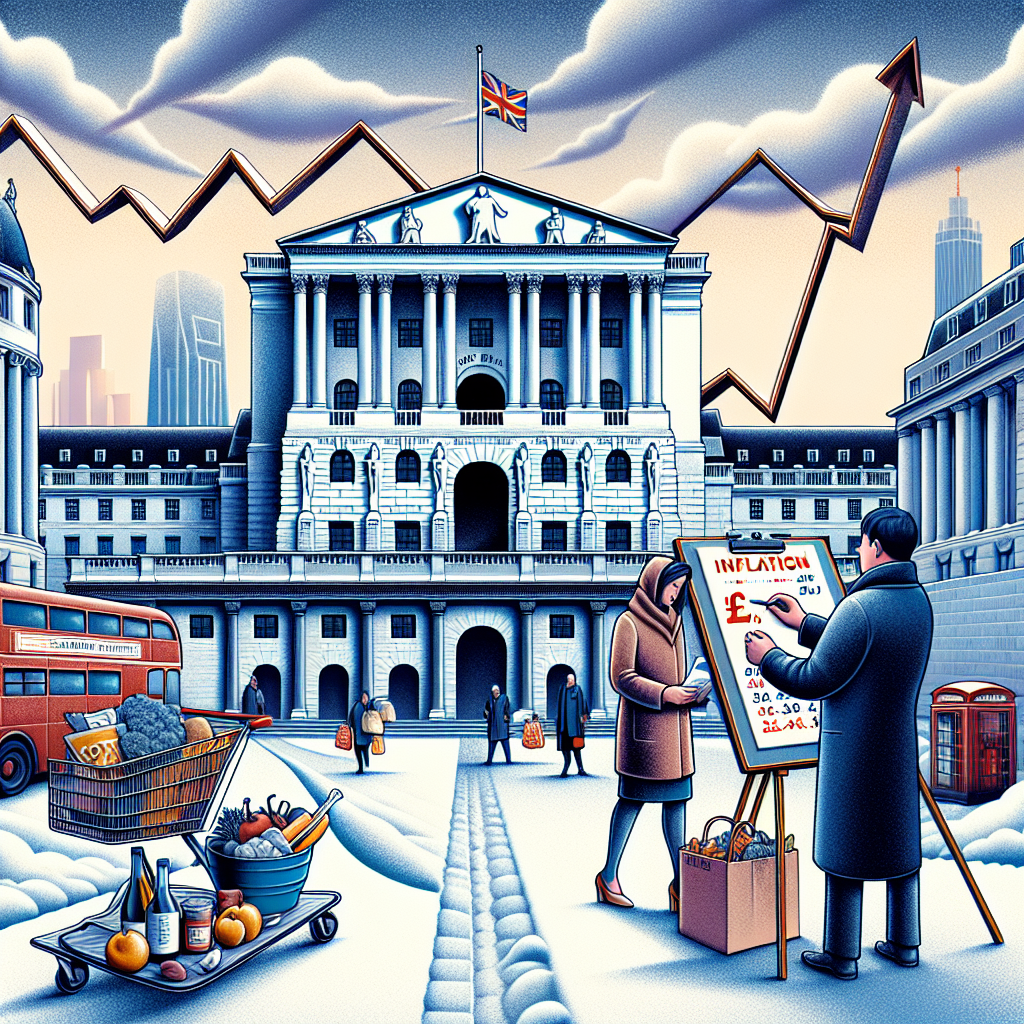
UK Inflation Rises in December: What It Means for Your Money and Interest Rates
Inflation can feel like a confusing concept. But when prices rise and your money doesn’t stretch as far, the impact is very real. That’s exactly what’s happening right now in the UK.
In December 2025, the UK saw a surprise jump in inflation. Let’s break down what that means, why it matters, and what it could mean for your money in 2026.
So, What is Inflation Anyway?
In simple terms, inflation is how much prices are going up.
If your weekly grocery shop used to cost £60 and now it’s £63, that’s inflation in action. It just means things are getting more expensive compared to what they were before.
How Much Did Inflation Rise?
According to the latest report from the Office for National Statistics (ONS), the UK inflation rate increased to 4% in December. That might not sound like a big jump, but it’s a lot higher than what many experts were expecting. In fact, it was the first rise in 10 months.
Before this change, inflation in November was sitting at 3.9%. It doesn’t seem like a big difference, but markets had expected inflation to actually fall, not rise. So, the surprise has gotten many people including economists thinking twice.
Why Is Inflation Going Up Again?
There’s no single reason. But let’s look at a few key contributors.
Here’s what’s driving up prices:
- Tobacco and alcohol taxes: Increases in duties on cigarettes and alcohol pushed prices up at the till.
- Airfare and holiday travel: December is a busy travel time, and prices for flights and trips rose faster than expected.
- Food prices: While food inflation is slowing slightly, it’s still higher than usual compared to past years.
That combination along with pressure from energy bills and services added up to the 4% rate seen last month.
What Does This Mean for Interest Rates?
If you have a mortgage, credit card, or savings account, interest rates affect you directly. The Bank of England sets this “base rate” to help control inflation.
Usually, when inflation is too high, the Bank raises interest rates to try to cool things down. Higher interest rates make borrowing more expensive, which often slows spending and that can help reduce inflation.
But here’s the twist: Even though inflation rose in December, most experts believe the Bank of England won’t raise rates again (at least for now). Instead, they’re likely to keep rates on hold at 5.25%.
Why? Because inflation is still expected to fall in the coming months. Some experts think the December jump is just a blip not a sign of a longer-term problem.
What’s the Bank of England Thinking?
According to the Guardian, the surprise rise in inflation hasn’t changed the general outlook too much. The Bank still expects inflation to fall back toward its 2% target later in 2026.
And remember, a 5.25% interest rate is still quite high we haven’t seen rates this steep in over a decade. So, even if inflation ticked up in December, there’s no rush to raise rates even further.
How Does All This Affect You?
Let’s talk about real life. How does inflation and talk of interest rates actually impact your day-to-day?
- Everyday costs: Groceries, energy bills, and travel may cost more – or stay higher – for longer than we’d all hoped.
- Mortgages: If you’re on a variable-rate mortgage, you won’t likely see relief soon, as rates aren’t expected to go down yet.
- Savings: The silver lining? Higher interest rates can mean better savings rates — so your money earns a bit more interest in the bank.
Simple Tip: Keep an Eye on Your Budget
This may be a good time to review how much you’re spending and saving. Inflation tends to chip away at purchasing power so households are encouraged to:
- Review regular subscriptions and cut anything unused
- Shop smarter, compare prices online before buying
- Reassess your savings accounts — are you getting the best interest rate?
I’ve started using a budgeting app myself and wow, it’s opened my eyes to just how much sneaky subscription fees and daily coffees add up!
What Are Experts Predicting Next?
There’s cautious optimism in the air.
Many economists believe inflation will start falling again in the months ahead. By spring or early summer, it might approach the Bank of England’s target of around 2%. If that happens, we could finally see interest rates start to go down perhaps later in 2026.
But, as we’ve learned, markets are full of surprises. Just like no one expected inflation to rise in December, future months could bring new plot twists.
Bottom Line: Stay Informed, Stay Flexible
The key takeaway from all of this?
Yes, inflation rose in December, and that was unexpected. But it doesn’t look like the Bank of England will raise interest rates again soon. Instead, they may sit tight and wait to see how things play out.
And for everyday folks like you and me, that means continuing to:
- Watch your spending
- Seek better savings options
- Plan for both best-case and worst-case scenarios
Got Questions?
Are you worried about rising prices or how interest rates might affect your mortgage? Let us know in the comments or share your best budgeting tips!
Understanding inflation and interest rates doesn’t have to be a headache. With a little knowledge and smart money habits, you can weather whatever the economy throws our way.
Looking Ahead: When Could Rates Drop?
Some market watchers say a rate cut could happen toward the middle or second half of 2026, especially if prices stabilize and the economy slows slightly. No one can guarantee timelines, but one thing is clear:
Interest rates won’t stay this high forever.
For now, hang in there. The financial waters might be choppy, but calmer seas could be ahead. Just keep an eye on the horizon and your bank balance.
Did You Find This Useful?
If you enjoyed this breakdown of UK inflation and want more easy-to-understand info on topics like savings, rates, and budgeting tips, subscribe to our newsletter or bookmark our blog!
Your financial health matters and we’re here to help.