
UK Interest Rates Might Fall by 2026 — What That Means for You
If you’ve been keeping an eye on your mortgage payments, credit card bills, or savings account, then you probably know how interest rates impact your day-to-day finances. Now, here’s some news that could perk up your ears — the Bank of England suggests that UK interest rates might drop by 2026.
So, what does that mean for your wallet? Will mortgages become more affordable? Could savings accounts earn less? Let’s break it all down.
Why Are Interest Rates So Important?
Let’s start with a simple question — what exactly are interest rates?
Basically, interest rates are the cost of borrowing money or the reward for saving it. When interest rates go up:
- Borrowing becomes more expensive — loans, credit cards, and mortgages cost more.
- Saving becomes more rewarding — savings accounts offer better returns.
On the flip side, when rates go down:
- Borrowing is cheaper, which is great if you’re taking out a mortgage or personal loan.
- Saving earns you less, meaning your money grows more slowly in the bank.
Where Are We Now? A Quick Recap on UK Interest Rates
Due to rising inflation in 2022 and 2023, the Bank of England gradually increased interest rates. From a historic low of just 0.1%, the rate shot up to 5.25% — its highest level in over 15 years.
This move, though tough for borrowers, was aimed at slowing down skyrocketing prices. Inflation was out of control, and raising rates was a way to cool things off.
Looking Ahead: Could Rates Really Fall by 2026?
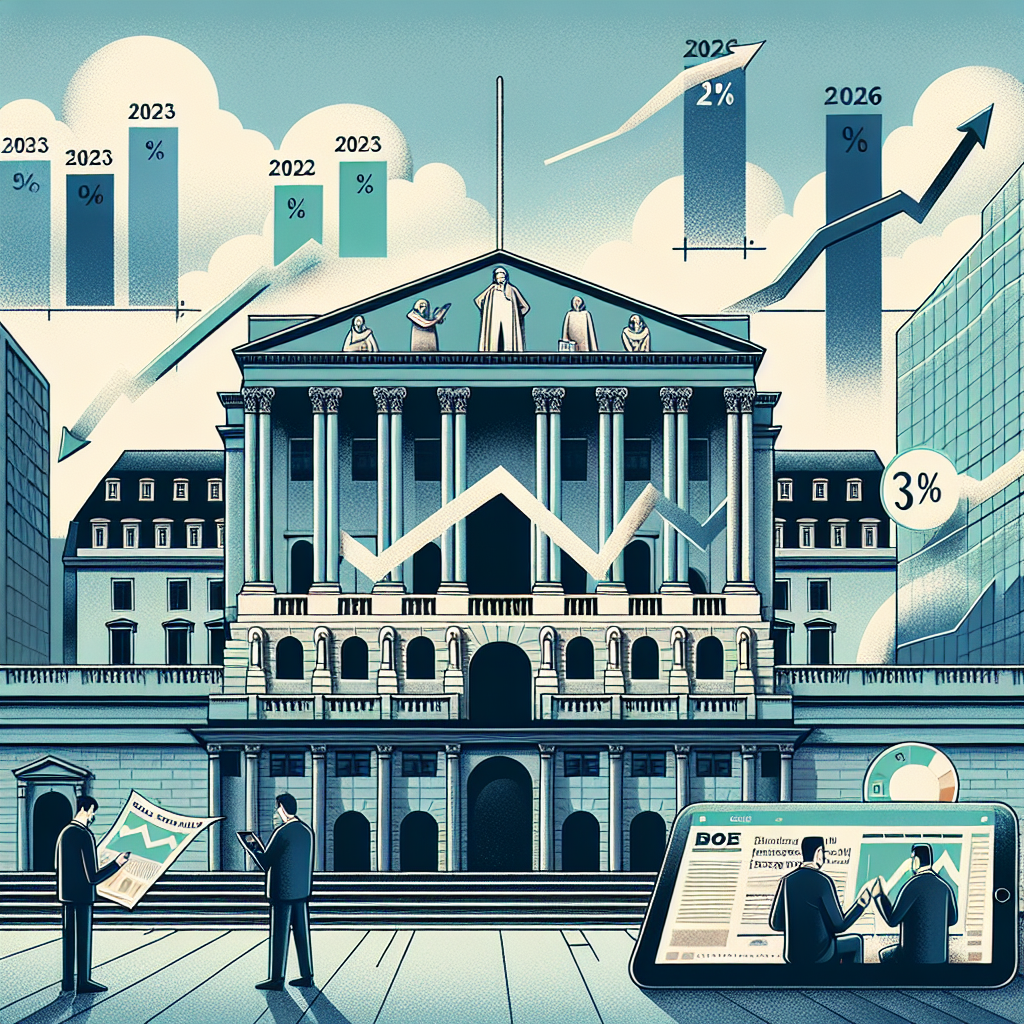
According to economists at the Bank of England, there’s a good chance that interest rates will start to decline over the next couple of years. In fact, some analysts suggest we might see the base interest rate fall as low as 3% by 2026.
Now, keep in mind — this isn’t set in stone. These predictions are based on many moving parts, like:
- How fast inflation slows down
- How well the UK economy recovers
- Global economic trends
But the idea that rates might ease off offers a glimmer of hope for many struggling with high monthly payments.
What Would Lower Interest Rates Mean for You?
Let’s look at some real-life examples. You might be thinking, “Okay, cool, but how does this actually affect me?” Great question.
1. Mortgage Holders Could Breathe Easier
If you’re on a variable-rate mortgage or coming to the end of a fixed-rate deal, falling interest rates could be a huge relief. For example:
👉 Imagine you have a £200,000 mortgage with a 25-year term.
At 5.25%, your monthly payment is around £1,200.
If the rate drops to 3%, your payment could fall to just under £950. That’s a savings of more than £3,000 per year.
2. Borrowers May Find Loans More Affordable
Need a new car? Thinking about consolidating debt? With lower interest rates, borrowing could become more budget-friendly:
- Lower APRs on personal loans
- Better credit card offers
- Car financing deals become more appealing
3. Savers Should Prepare for Lower Returns
The flip side? If you’ve been enjoying better savings rates recently, brace yourself. Lower interest rates often mean your ISA, savings account, or fixed bond won’t earn as much.
This might be a good time to review your savings strategy. Could investments or high-interest current accounts be a better fit while rates drop?
Why the Bank of England Might Lower Rates
The short answer? To boost the economy.
When rates are high, people and businesses borrow less. That slows down spending and growth — which, in a time of economic uncertainty or recession, is the opposite of what you want.
By cutting rates, the Bank of England tries to:
- Encourage consumer spending
- Help businesses grow and hire more staff
- Ease financial pressure on households
It’s a balancing act. The Bank doesn’t want inflation to surge again, but it also doesn’t want the economy to stagnate.
What Should You Do Now?
While 2026 sounds far off, it’s closer than you think. Now’s the time to get proactive.
Here are a few tips to get ahead of interest rate changes:
- Review your mortgage. If you’re nearing the end of a fixed rate, consider your remortgage options.
- Pay off high-interest debt. Take advantage of better rates to reduce what you owe faster.
- Shop around on savings. Keep an eye on top-paying savings accounts or consider fixed-term products before rates decline.
Keep an Eye on the Economic Forecast
Of course, things can change quickly. Just think about how much the world has shifted since 2020! That’s why it’s smart to stay informed. Economic news might sound like something only bankers and politicians worry about, but in reality, it affects all of us — from how we shop for groceries to how we plan for retirement.
So, Will Interest Rates Actually Drop?
No one has a crystal ball. But if inflation continues to cool and the economy stays on track, a more stable, lower interest rate environment could be on the horizon.
In the meantime, it’s a great moment to take a closer look at your personal finances. Make sure you’re prepared to take advantage of the opportunities a rate drop could bring — and to protect yourself if things don’t go as planned.
Final Thoughts
The idea of UK interest rates falling by 2026 may feel like a breath of fresh air for those weighed down by high borrowing costs. Whether you’re paying off a mortgage, saving for the future, or just trying to make ends meet, changes in rate policy touch every corner of your financial life.
So don’t wait until 2026 to act. Start planning today. Because when it comes to interest rates — what goes up often does come down.