
UK Retailers Get December Boost Thanks to Aldi and Lidl
While December is usually a big month for shopping, UK retailers had a little extra reason to smile in December 2025, Budget supermarkets Aldi and Lidl played a major role in boosting December sales across the nation. Curious how that happened? Let’s dive into the details and find out why discount stores are making such a big splash in the UK retail scene.
The December Sales Story: A Mixed Bag
Retailers endured a “lacklustre Christmas”, closing out the year with weak sales during what is usually their most critical trading period, new figures suggest, highlighting the ongoing strain on Britain’s high streets.
Total retail sales rose by only 1.2% in December compared with the same month a year earlier, according to the British Retail Consortium (BRC), well below the 12-month average growth of 2.3%.
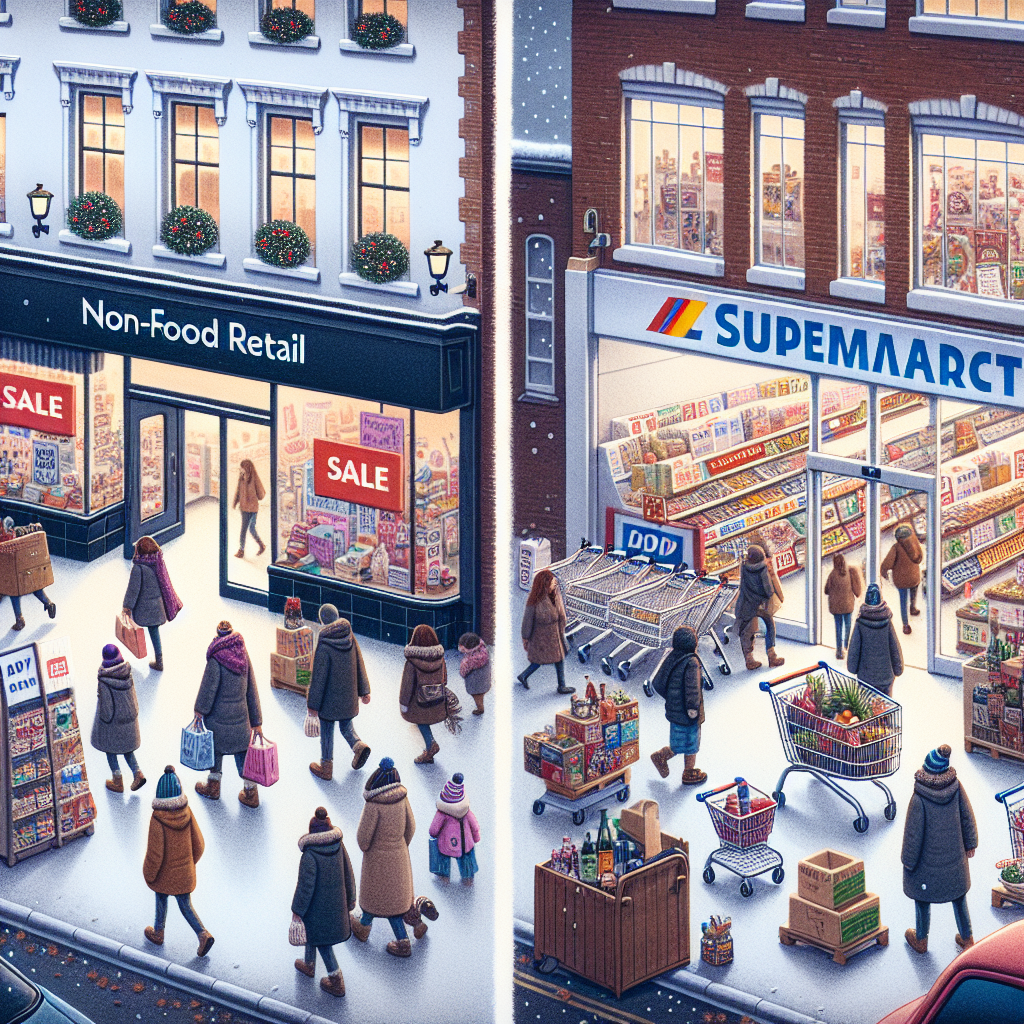
Food sales held up, but consumers cut back on non-food items such as clothing and electronics. Sales in this category fell by 0.3%, a sharp contrast to the 4.4% growth recorded in December 2024.
Separate figures from Barclays showed card spending declined by 1.7% year on year in December, worsening from a 1.1% fall in November and marking the steepest annual drop since February 2021.
Higher prices buoyed supermarket food revenues, with grocery inflation reaching 4.3% in December, according to Worldpanel by Numerator. Shoppers spent an average of £476 in supermarkets over the month, around £15 more than a year earlier.
Yet sustained food inflation is weighing on household budgets. Barclays found that 64% of shoppers plan to cut grocery spending this year, while more than half also intend to rein in discretionary purchases, including clothing and eating out.
Discount chains Aldi and Lidl bucked the trend, reporting record Christmas performances. Aldi’s UK business posted 3% annual sales growth in the four weeks to 24 December, while Lidl saw sales jump 10% in the four weeks to Christmas Eve.
Tesco and Sainsbury’s, the UK’s two largest supermarkets, also reported higher Christmas sales. However, shares in both retailers fell sharply last week after investors had hoped for stronger results.
Why Lidl and Aldi Stood Out
Both Aldi and Lidl have been gaining popularity in the UK for a few years now. But during December, their appeal reached new heights.
Let’s break down the reasons they stood out from the competition:
- Low prices: With the cost of living still a big concern in many homes, people were looking to save anywhere they could. Aldi and Lidl’s lower prices made them a top choice.
- Own-brand products: These stores are known for offering good-quality own-brand alternatives that are often cheaper than big-name labels.
- Smarter shopping: Many shoppers visited multiple supermarkets but used Aldi or Lidl for the bulk of their grocery shopping to get the best value.
One shopper even told me, “I do a big Aldi shop for the essentials, then pop into one of the bigger supermarkets for anything I can’t find there.” That’s the kind of shopping pattern we saw across the country.
Inflation Slows, but Budget Buying Continues
Here’s an interesting twist: while food inflation is slowing, people haven’t returned to their old shopping habits. Why? Because even though prices aren’t rising as quickly, they’re still higher than a couple of years ago. As a result, saving money is still top of mind for most households.
In fact, the BRC reported that many consumers have become more price-conscious than ever. This shift in behavior isn’t just a passing trend, it’s a possible long-term change in how Brits shop.
Where Does That Leave Traditional Supermarkets?
Supermarkets like Tesco, Sainsbury’s, and Morrisons are still big players. But they’re feeling the heat from Aldi and Lidl’s competitive prices. To keep up, many of the traditional supermarket chains have introduced their own budget ranges or improved their loyalty programs.
The race is on to keep customers coming back, and retailers know they need to offer both value and convenience if they want to compete.
The Shifting Landscape of UK Retail
So, what does all of this tell us?
In short, consumer habits are changing. People are more focused on value than ever, and they’re not afraid to switch stores to find the best deal. Convenience is still important, but it’s not enough on its own anymore. Customers want:
- Affordable prices
- Good quality products, especially when it comes to food
- Transparent pricing and offers that are easy to understand
Retailers will need to adapt quickly if they want to stay in the game. The rise of Aldi and Lidl is more than just a holiday spike, it’s part of a bigger shift in retail trends across the UK.
Final Thoughts: Is This the New Normal?
So, will Aldi and Lidl always be the go-to places for holiday shopping? Maybe. Or maybe UK consumers are just becoming more savvy overall. Either way, their success this past December shines a bright light on what really matters to shoppers: value, quality, and smart deals.
What about you? Have you started shopping differently lately? We’d love to hear your thoughts in the comments below!
Want more updates about UK retail news and saving tips? Subscribe to our newsletter and never miss a post!