
US and Taiwan Strengthen Economic Ties with New Tariff Deal
Something big just happened in international trade and it’s good news for shoppers, businesses, and anyone who supports global collaboration. The United States and Taiwan have signed a new tariff agreement that’s paving the way for stronger trade ties. If you’ve ever wondered how countries form closer business partnerships, or why a trade deal matters to you, stick around. We’re breaking it all down in this post… without the confusing jargon.
What Exactly Is a Tariff Deal?
Let’s start simple. A tariff is a tax that countries put on things they import (bring in) from other countries. So, when Taiwanese-made computer chips come into the U.S., there might be a fee on them. That fee makes the product more expensive. In turn, that can affect how much you pay when you buy something that uses those chipslike your smartphone or car.
Now, a tariff deal means two countries agree to reduce or remove those fees. That makes it cheaper and easier for goods to move between the two nations.
And that’s exactly what just happened between the United States and Taiwan.
Why Does This New US-Taiwan Tariff Deal Matter?
This isn’t just paper and signatures it’s a big step forward in economic cooperation. Officially signed in mid-January 2026, this deal is the second major agreement under what’s called the US-Taiwan Initiative on 21st-Century Trade. Fancy name aside, the heart of this plan is all about boosting fair, free, and mutually beneficial trade.
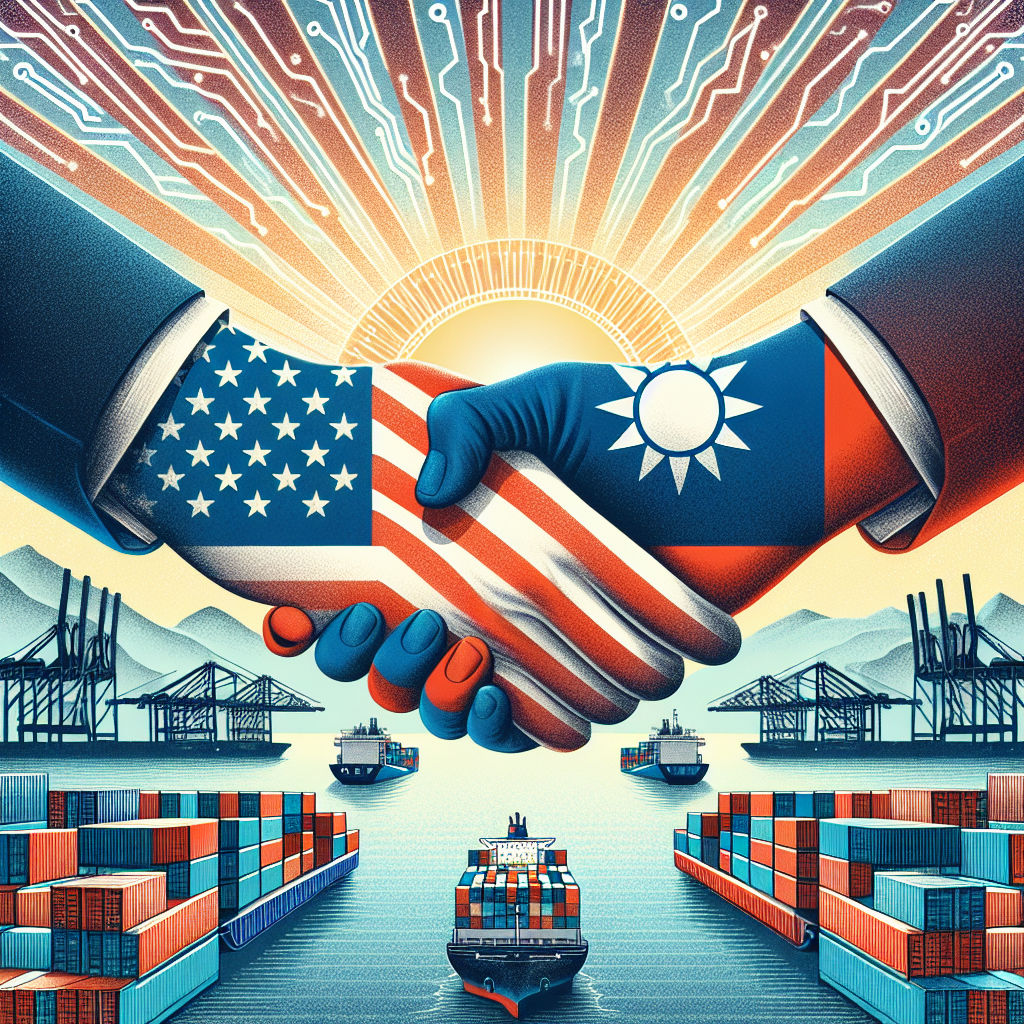
The US said on Thursday that it had signed a deal with Taiwan to reduce tariffs on goods from the democratic island, while increasing Taiwanese semiconductor and tech companies’ investments in America.
The agreement, the US commerce department said, “will drive a massive reshoring of America’s semiconductor sector”.
Under the deal, Washington will lower tariffs on Taiwanese goods to 15% , down from a 20% “reciprocal” rate meant to address US trade deficits and practices it deems unfair.
Sector-specific tariffs on Taiwanese auto parts, timber, lumber and wood products will also be capped at 15%, the US commerce department said.
Meanwhile, Taiwanese chip and tech businesses are set to make “new, direct investments totaling at least $250bn” in the US to build and expand capacity in areas like advanced semiconductors and artificial intelligence.
This means companies can now do business more easily. Products may cost less to make and ship. And that could mean better prices (or better availability) for you as a consumer.
Real-Life Example: Electronics in Your Pocket
Think about the smartphone in your hand. Many of its parts—especially the important ones—are made in places like Taiwan, which is a global leader in tech manufacturing. With this tariff deal, it’s now cheaper for Taiwanese companies to sell to the U.S. That could mean quicker innovation, lower production costs, and faster deliveries.
How Did We Get Here?
This deal didn’t just appear overnight. In fact, the U.S. and Taiwan have been working together for years to deepen economic ties. But until now, progress has been slow and cautious, mainly because political tensions in the Asia-Pacific region (especially involving China) can complicate things.
Despite those challenges, the U.S. has consistently recognised Taiwan as an important economic partner. This new agreement reflects that trust and that long-term commitment.
A Happy Compromise (Despite Awkward Politics)
Now, you might wonder—how does China feel about all this? The short answer: not thrilled. China views Taiwan as part of its territory, and it generally opposes other countries making formal agreements with Taiwan.
But here’s the key: This deal wasn’t packaged like a full-on trade agreement (which would raise diplomatic tensions). Instead, it’s more like a “mini trade pact” that focuses on specific, practical improvements. That allowed both sides to work together without igniting too many political fireworks.
What Are the Benefits for the U.S.?
Let’s take a closer look at why this is such a big win for the United States.
- Access to cutting-edge technology: Taiwan is a world leader in semiconductors, a key part of almost every electronic device. Easier access means U.S. firms can stay competitive.
- A stronger supply chain: Need flexibility when global supply chains are shaky? Reducing tariffs helps make that happen.
- Boosting American exports: Lower tariffs work both ways. U.S. farmers and manufacturers now face fewer barriers to sell their goods in Taiwan.
In fact, American agricultural producers have been cheering this move. With tariffs easing, goods like soybeans, beef, and apples may see a bump in exports.
What This Means for Taiwan
For Taiwan, the benefits are just as exciting:
- Stronger ties to one of the world’s biggest markets (that’s the U.S.).
- Recognition on the global stage: While not officially recognized as an independent state by the U.S., each move like this strengthens Taiwan’s position in the global economy.
- Support amid uncertain geopolitics: With the U.S. publicly signing deals, Taiwan gains a powerful symbolic and economic partner.
In short, it’s a smart move for both sides.
Is This Just About Business?
Not really. Yes, money and trade are a big part of it but deals like this often reflect broader values too. The U.S. and Taiwan have shared democratic principles, transparent systems, and respect for rule of law. When you make a trade deal with a country, you’re also saying, “We trust you.”
In that way, this agreement is about more than just dollar signs it’s about shared goals and long-term partnership.
Looking Ahead: What’s Next?
This new tariff deal is just the beginning. Officials have hinted that more chapters of cooperation are on the way. We could see agreements on digital trade, labor standards, or sustainable practices soon. That’s great news if you’re interested in a more connected, stable global economy.
Plus, there’s growing momentum among U.S. lawmakers to keep working with Taiwan in ways that make sense, both politically and economically. As trade relationships deepen, so does trust.
Why Should You Care?
You might not work in international policy, but these decisions trickle down to everyday life. Whether it’s how much you pay for groceries, how fast your new laptop ships, or how stable your job is at a trade-focused company trade agreements do matter. And this one between the U.S. and Taiwan could make a real difference in the years to come.
Final Thoughts
The United States and Taiwan just took a meaningful step toward stronger trade and economic unity. This new tariff deal might not make daily headlines for long, but its impact will be felt widely. From global supply chains to the phone in your pocket, partnerships like this shape the world we live in.
So next time you hear about a “trade deal,” remember it’s not just for politicians or economists. It’s for all of us.
Want to stay updated on U.S. trade policy and global economic news?
Subscribe to our newsletter below for easy-to-understand updates, expert analysis, and helpful tips about how global decisions affect your daily life.