
What the OECD Global Tax Exemption Means for U.S. Multinational Corporations
Global tax talks can often feel like a maze of unfamiliar terms and technical rules. But here’s the thing: the decisions being made around global tax regulations directly affect businesses, economies, and—eventually—even the everyday consumer. So, what’s all the buzz about the OECD global tax deal and why has the United States secured an exemption? Let’s break it down in a way that actually makes sense.
First, what is the OECD global tax deal?
Back in 2021, over 140 countries agreed to work together on a major global deal to change how large multinational companies are taxed. Why? Because for years, big corporations—especially in tech—have been shifting profits to low-tax countries, even if their customers and real business operations are somewhere else. This setup helped companies avoid paying fair taxes in the countries where their sales happen.
The Organization for Economic Cooperation and Development (OECD) stepped in with a new framework. It’s been called the biggest change in international tax rules in a century. The deal is built on two main pillars:
- Pillar One: Ensures that large companies pay taxes where they do business, not just where their headquarters are located.
- Pillar Two: Sets a global minimum corporate tax rate of 15%, making it harder for businesses to shop around for the lowest tax rates.
Sounds fair, right? Well, like many global agreements, things aren’t always that simple.
So, what did the U.S. ask for and get?
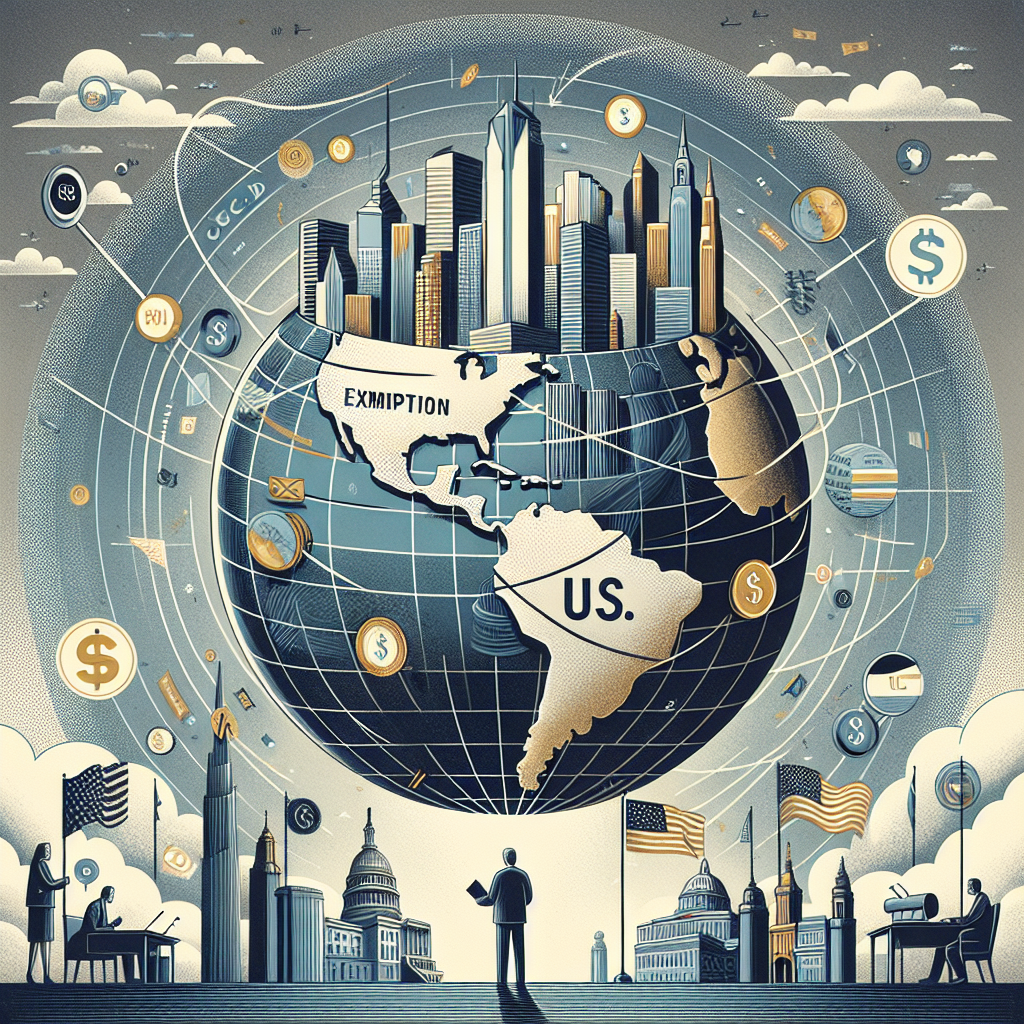
In early 2026, the U.S. reached a major deal with the OECD. It secured an exemption for its largest multinational firms from parts of the global tax rule under Pillar One. That means some U.S.-based corporations won’t be required to reallocate profits to countries where they make sales but don’t have physical offices.
Essentially, American companies won’t have to pay extra taxes to foreign governments under this new system. For big names in tech and pharmaceuticals—think Apple, Google, or Pfizer—that’s a big win. But it raises an important question…
Is this fair to other countries?
It depends who you ask. Many countries had been counting on the new system to plug tax loopholes and level the playing field. Some European and developing countries might now receive less tax revenue than expected from U.S. firms. That could make it harder to fund public services or invest in local economies.
But from the U.S. perspective, the administration argued that American companies were already heavily taxed at home, and adding overseas tax obligations would only hurt their global competitiveness.
To put it in everyday terms: Imagine if your neighbor was allowed to pay less in property taxes because they said they already donated to charity. You might appreciate their generosity, but you’d still wonder if the system was treating everyone equally.
Why did the U.S. push so hard for this exemption?
This move wasn’t just about protecting corporate profits. It was deeply political too. With a presidential election on the horizon, lawmakers are cautious about making any changes that might spark criticism or impact the stock market. Increasing tax burdens for American companies—especially the big names many people invest in—wouldn’t go over well in campaign season.
There’s also the gridlocked U.S. Congress to think about. Passing international tax reforms domestically is tough when political parties are deeply divided. An exemption sidesteps some of those obstacles.
What does this mean for the global tax reform effort?
That’s the million-dollar question. On one hand, having the U.S. on board at all was seen as crucial for making the global agreement work. Without America’s participation, especially given its role as home to so many global corporation, the project could unravel.
On the other hand, this exemption could undermine the entire purpose of the deal. If other countries start asking for similar carve-outs, what’s left of the deal? There’s a real risk that the result ends up being a loosely held “agreement” full of exceptions and loopholes, a far cry from the sweeping reform the OECD had hoped for.
What should regular people take away from all this?
You might be wondering, “Why does this matter to me?” That’s fair. Here’s how it might affect you:
- Government Budgets: If multinational companies aren’t paying fair taxes, governments may raise taxes on small businesses or individuals to make up the gap.
- Economic Fairness: Smaller companies often don’t get these kinds of tax breaks. That puts them at a disadvantage compared to global giants.
- Public Services: Less tax revenue can mean less funding for healthcare, education, and infrastructure in countries missing out on corporate taxes.
So while international tax policy might seem distant, it can shape your life in surprising ways.
Will the world accept this new deal?
This story isn’t over. Some countries are already voicing frustration and seeking their own answers. Others might accept the U.S. exemption as the price to keep the broader deal alive.
It’s a bit like agreeing to split a dinner bill but letting the richest person at the table opt out of paying for dessert. Some folks might grumble privately, while others decide it’s worth keeping the meal together.
Final Thoughts
The global economy is more connected than ever, and tax rules are trying to keep up. The U.S. exemption under the OECD deal highlights just how complicated (and political) these decisions can be. While American companies celebrate the move, the rest of the world is left wondering: what comes next?
At the end of the day, this decision could reshape the future of international taxation, either by strengthening global cooperation or showing just how hard it is to align so many competing interests.
What do you think? Should U.S. multinational corporations get a free pass under the global tax agreement? Or should all companies, no matter where they’re based, follow the same set of rules? Share your thoughts in the comments below!